
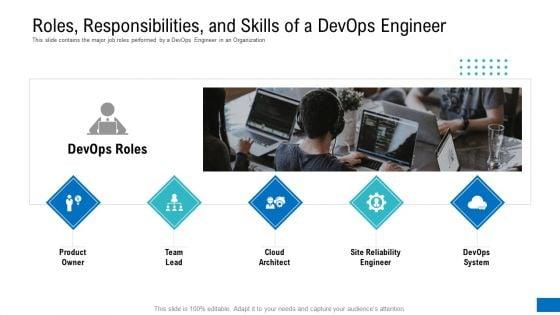
DevOps Engineer Roles in Modern Education Systems: skills, Impact, and career Path
Are you considering a technology career in the world of education? DevOps Engineer roles are rapidly emerging as pivotal positions within universities, colleges, and schools that are transforming their digital infrastructure. As EdTech continues to evolve, DevOps professionals stand at the forefront—ensuring smooth software deployments, robust security, and a collaborative approach to technology in academia. This extensive guide explores the essential skills, impact, benefits, and career path of a DevOps Engineer in modern education systems, equipping you with the knowledge to pursue these exciting roles.
Introduction: The Rise of DevOps engineers in Education Technology
the digital transformation in education is undeniable. With virtual classrooms,online assessments,and student information systems shaping new learning experiences,educational institutions need reliable,scalable,and secure technology. DevOps Engineers are crucial to this ecosystem, bridging the gap between development and operations to deliver seamless solutions in real time. From automating deployments to ensuring data privacy,DevOps roles are redefining technical excellence in schools,colleges,and universities across the globe.
DevOps Engineer Responsibilities in Universities, Colleges, and Schools
DevOps Engineers in academic settings handle a unique blend of technical and collaborative tasks. Their contributions often include:
- Continuous Integration and Continuous Deployment (CI/CD): Setting up automated pipelines to streamline software releases of learning management systems,portals,and administrative tools.
- Infrastructure Automation: Using configuration management tools like Ansible, Terraform, or Puppet to automate server provisioning, network setup, and cloud services.
- Monitoring and Troubleshooting: Implementing robust monitoring solutions for campus-wide networks, virtual classrooms, and critical EdTech applications.
- cybersecurity and Compliance: Ensuring platforms adhere to FERPA, GDPR, and other regulatory standards, while safeguarding student and employee data.
- Collaboration: Working closely with software developers, IT support, data analysts, and faculty to deliver optimal solutions and resolve technical challenges.
- Disaster Recovery and Backup: Maintaining reliable backup routines and disaster recovery plans to protect teaching resources, student information, and research data.
- Scalability and Cloud Migration: Helping institutions migrate legacy systems to the cloud for cost-efficient scaling and improved accessibility.
Typical EdTech Projects for DevOps Engineers
- Deployment of Learning Management Systems (LMS) like Canvas or Moodle
- Integration of virtual classroom technologies
- Automation of grading and assessment platforms
- Support for IoT devices and smart campus initiatives
- Implementation of school-wide single sign-on (SSO) systems
Essential Skills for DevOps Engineers in Modern Education systems
Landing a DevOps Engineer job at a university, college, or school requires a blend of hard and soft skills. Below are the core competencies that EdTech employers seek:
Technical Skills
- Cloud Platforms: Proficiency with AWS,Microsoft Azure,or Google Cloud Platform
- scripting Languages: Fluency in Python,Bash,Shell,or PowerShell
- Containerization: Experience with Docker and orchestration tools like Kubernetes
- Version Control: Mastery of Git and collaborative development practices
- Monitoring Tools: Familiarity with tools such as Prometheus,Grafana,Nagios,or Splunk
- configuration Management: Skills in Ansible,Puppet,Chef,or Terraform for infrastructure as code
- CI/CD Pipelines: Knowledge of Jenkins,GitLab CI,or CircleCI
Soft Skills
- Problem-Solving: Analytical thinking to diagnose and resolve complex system issues
- Dialog: Translating technical solutions into clear language for diverse stakeholders
- Collaboration: Working effectively across academic and administrative teams
- Adaptability: Navigating ever-changing EdTech trends and institutional priorities
- Attention to Detail: Ensuring all systems meet rigorous security and compliance standards
the Impact of DevOps Engineers in Educational Institutions
DevOps Engineers are instrumental in shaping the academic experience—directly affecting staff,faculty,and students. Key impacts include:
- Enhanced User Experience: Minimizing downtime and providing reliable access to digital learning tools and resources
- Improved Security: Safeguarding sensitive information and maintaining trust with students,parents,and staff
- operational Efficiency: Reducing manual IT workload through automation
- Agile Innovation: Supporting rapid deployment of novel EdTech solutions and research projects
- Cost Savings: Leveraging cloud services and automation to decrease overall IT expenditure
- Compliance & Data Protection: ensuring academic systems meet legal and ethical requirements for data privacy
Career Pathway: Becoming a DevOps Engineer in Education Technology
If you are enthusiastic about tech and passionate about academic excellence,here’s how you can pursue a DevOps Engineer role in education:
Educational Background
- Bachelor’s degree in Computer Science,Information Technology,or a related field
- Relevant certifications (e.g., AWS Certified DevOps Engineer, Azure DevOps Solutions Expert)
- Specialized training in automation, security, and cloud computing
Professional Experience
- Entry-level IT operations or software development roles
- Internships or project work focused on EdTech deployments
- Contributions to open-source EdTech projects or campus Hackathons
Skills Development
- Continuous learning via online courses, webinars, and EdTech conferences
- Building hands-on expertise with real-world projects (e.g., automating classroom technologies)
- learning about education sector compliance (FERPA, GDPR)
Advancement Opportunities
- Senior DevOps Engineer or Lead Engineer roles in large universities
- Architectural positions designing campus-wide IT systems
- Managerial roles overseeing IT and EdTech teams
- Specialization in data engineering or cybersecurity within academia
Benefits of Working as a DevOps Engineer in Education Technology
What makes DevOps Engineer roles in education so appealing for tech professionals?
- Meaningful Impact: Contribute directly to the future of learning, making education accessible and engaging.
- Collaborative Work Habitat: Interact with academics, administrators, and students from diverse backgrounds.
- cutting-Edge Technology: Operate with the latest automation,cloud,and security tools.
- Work-Life Balance: Many academic institutions prioritize healthy work hours and generous vacation policies.
- professional Development: Access to training,education discounts,and research opportunities on campus.
- Job Security: Universities and colleges consistently invest in technology modernization and long-term staff support.
Practical Tips for Landing a DevOps Engineer Job in Academic Settings
- Customize your Resume: Highlight DevOps and automation projects, especially those connected to education or non-profits.
- Showcase Communication Skills: Demonstrate your ability to work with non-technical staff and teach others about technology.
- Emphasize Compliance Knowledge: Note any experience with student data privacy and sector regulations.
- Leverage Networks: Connect with campus IT leaders, attend edtech meetups, and participate in online education tech communities.
- Stay Current: Follow blogs, podcasts, and research on emerging trends in EdTech and DevOps best practices.
- Prepare for Scenario interviews: Expect technical interviews based on real-world campus technology challenges.
Conclusion: Shaping the Future of Education Through DevOps
The role of a DevOps Engineer in modern education systems is more impactful and rewarding than ever before. As universities, colleges, and schools modernize their teaching, research, and administrative platforms, DevOps professionals act as key enablers of innovation, security, and operational excellence. If you’re passionate about technology and education,pursuing a DevOps Engineer job in academic institutions offers exciting career growth,meaningful challenges,and the satisfaction of positively influencing thousands of learners and educators.
Ready to embark on your education technology journey? By developing the essential skills, gaining relevant experience, and connecting with EdTech communities, you can unlock fulfilling career opportunities as a DevOps Engineer—helping shape a smarter, more connected future for education.