
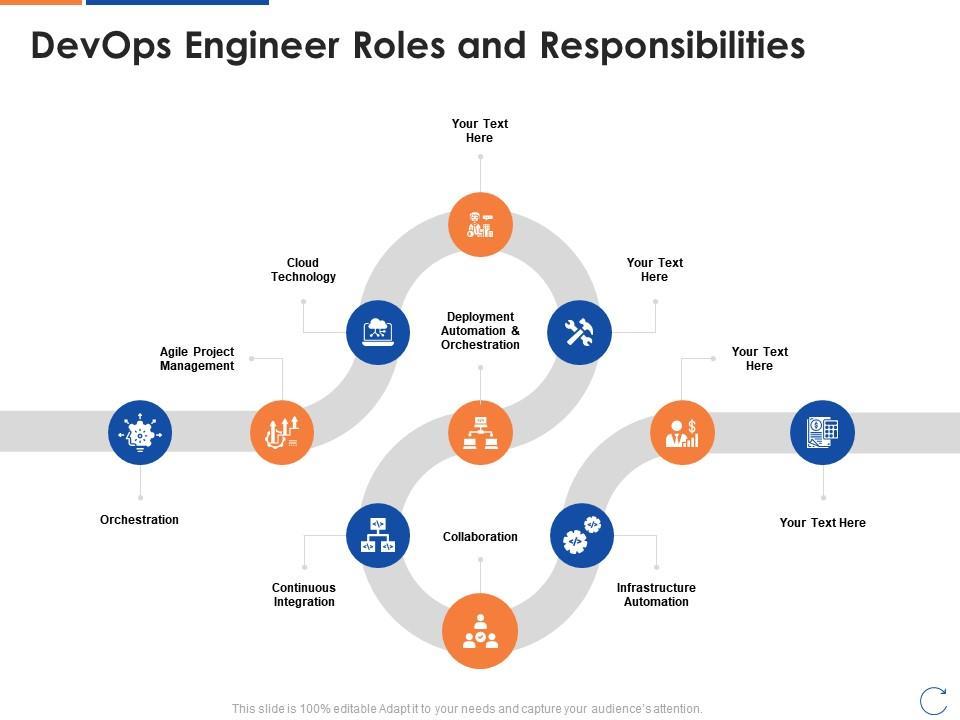
DevOps Engineer roles in Modern education Systems: Skills, Impact, and Career Paths
Are you intrigued by the intersection of technology and education? The surge in digital change within universities, colleges, and schools has created a vital demand for skilled DevOps engineers in education technology. These professionals are fundamental to optimizing operations, improving security, and enhancing the learning experience across all educational institutions. Whether you’re a tech enthusiast, an IT professional seeking a career switch, or a recent graduate, understanding the DevOps Engineer role in education can open rewarding opportunities in shaping the future of learning.
Understanding the DevOps Engineer Role in Education Technology
In the context of educational institutions, a devops Engineer bridges the gap between development and operations teams, ensuring that learning platforms, administrative systems, and communication tools run smoothly and efficiently.With the adoption of e-learning environments, hybrid classrooms, and cloud-based services, the devops role in education is more critical than ever.
- Streamlining digital platforms: DevOps engineers manage, deploy, and keep digital infrastructure updated for seamless operation.
- Automation: Automate repetitive tasks and processes to enable faster deployment of educational software and applications.
- Security: Safeguard sensitive academic and student data by implementing best security practices and monitoring systems for vulnerabilities.
- Collaboration: Foster collaboration between developers, IT staff, instructional designers, and educators to deliver reliable educational tools.
Essential Skills for DevOps Engineers in the Education Sector
If you aim to become a DevOps Engineer in a school, university, or college, certain core competencies are essential. By mastering these skills, you’ll increase your employability and effectiveness in education technology environments:
technical skills
- Cloud computing: Proficiency in platforms such as AWS, Microsoft Azure, or Google Cloud for deploying scalable education tools.
- Containerization and Orchestration: Experience with Docker, Kubernetes, or similar technologies to ensure scalable application deployment.
- Automation Tools: Familiarity with Jenkins, Ansible, Puppet, or Chef for continuous integration and delivery (CI/CD) pipelines.
- Programming/Scripting: Knowledge of languages such as Python, Bash, or PowerShell for task automation and infrastructure management.
- Version Control: Expertise in Git for collaborative code management and deployment tracking.
- Monitoring & Diagnostics: Use of monitoring tools like Prometheus, Grafana, or Nagios for system stability and proactive troubleshooting.
- Configuration Management: Setting up and maintaining environments for reproducibility and reliability of educational systems.
- Network Security: Implementing security policies, firewalls, and encryption, particularly crucial in safeguarding personal and academic records.
Soft Skills
- Communication: Ability to clearly explain complex technical issues to non-technical stakeholders.
- Collaboration: Working closely with faculty, IT, and administrative departments to meet institutional goals.
- Problem-solving: Quickly diagnosing and resolving issues that impact learning and administrative continuity.
- adaptability: Staying updated on new educational technologies and integrating them seamlessly.
- Project Management: managing the full lifecycle of tech projects, frequently enough juggling multiple priorities in a fast-paced environment.
The Impact of DevOps Engineers on Modern Education Systems
DevOps Engineers provide immense value to education technology, substantially influencing various aspects of learning environments:
- Enhanced Digital Learning: By automating deployments and updates, DevOps enables uninterrupted access to online classrooms, digital libraries, and remote learning resources.
- Improved System Reliability: Minimized downtime ensures that learning management systems (LMS), student information systems (SIS), and assessment tools are always available.
- Faster Innovation: Continuous integration and deployment shorten software release cycles, so students and faculty benefit from improved features more rapidly.
- Strengthened Security: Proactive monitoring and secure configurations help protect sensitive student and staff information from cyber threats.
- Cost optimization: Automated infrastructure scaling reduces costs, allowing educational institutions to allocate more resources to academic priorities.
Career Paths for DevOps Engineers in Education Technology
The career trajectory for a devops Engineer in education technology is both fulfilling and dynamic, with several advancement opportunities as you hone your expertise:
Entry-Level Roles
- Junior DevOps Engineer: Assists in system monitoring, basic script automation, and maintaining CI/CD pipelines.
- IT Support Engineer: Provides support for educational software tools and troubleshooting deployment issues.
Mid-Level Positions
- devops Engineer: Handles advanced automation, cloud deployments, and cross-team collaboration on technology projects.
- systems Engineer: Specializes in managing school or university servers and cloud infrastructure.
Senior and Leadership Roles
- Senior DevOps Engineer: Designs scalable solutions, leads automation projects, and mentors junior staff.
- DevOps Architect: Oversees overall system design and integration, aligning educational technology initiatives with organizational goals.
- Technology Manager/Director: Manages IT/tech teams, infrastructure budgets, and long-term digital transformation strategy.
Movement into roles such as Cloud Solutions Architect or Head of IT/Technology is also common as professionals gain experience and leadership skills.
Benefits of a DevOps Career in Education technology
Choosing a DevOps Engineer role in education offers both personal and professional rewards:
- Making a Difference: Directly impact the quality and accessibility of education for students and faculty members.
- Job Security: Educational institutions are increasingly reliant on technology, ensuring high demand for DevOps skills.
- Career Advancement: Opportunities to grow into senior leadership or specialized technical roles within educational IT systems.
- Cutting-Edge Environment: Exposure to innovative technologies and the ability to shape digital learning experiences.
Practical Tips for Landing a DevOps Engineer Job in Education
- Gain Relevant Experience: Participate in internships, volunteer at local schools, or contribute to open-source education technology projects.
- Certifications: Obtain certifications in AWS, Azure, Kubernetes, or DevOps-specific courses to strengthen your profile.
- Tailor Your Resume: Highlight experience with education technology tools and your success in improving system reliability or security.
- Showcase Soft Skills: Emphasize communication, teamwork, and adaptability—qualities highly valued in collaborative educational environments.
- Network: Attend education technology events, webinars, or online forums to connect with IT professionals in academia.
- Prepare for Interviews: Be ready to discuss how you would manage deployments, handle outages, or ensure secure student data in an education-specific context.
Conclusion
As higher education and schools rapidly adapt to digital-first approaches, the DevOps Engineer role in education technology is becoming more essential and rewarding. With the right mix of technical skills, passion for innovation, and a drive to support academics, you can build a meaningful career that not only advances your professional goals but also positively impacts the future of education. Take your first step towards becoming a key player in modern education systems by developing your DevOps skills, networking, and understanding the unique needs of the academic sector. The journey might potentially be challenging, but the opportunities are vast and impactful.