
Digital Accessibility in Education: Key Strategies for Inclusive Learning Tools
Digital accessibility in education has become a cornerstone of modern learning environments.As technology drives education, ensuring that inclusive learning tools are accessible to everyone—nonetheless of ability—is not just good practice, but essential. In this article, we’ll explore why digital accessibility matters in education, the benefits it delivers, proven strategies for implementation, practical tips, and real-life case studies to inspire your journey towards a more inclusive classroom.
Understanding Digital Accessibility in Education
Digital accessibility refers to designing and developing digital content—such as websites, learning platforms, apps, and resources—so that they can be used by everyone, including people with disabilities. For educational institutions, accessibility means more than just compliance; it’s about fostering an environment where every learner can thrive without barriers.
Why Is Digital Accessibility Now More Crucial than Ever?
- Increasing reliance on technology: Remote learning, blended classrooms, and online assessments have become standard, making accessible digital interfaces crucial.
- Diverse student populations: Schools serve students with a broad spectrum of needs—visual, auditory, cognitive, and motor impairments included.
- Legal requirements: Laws such as Section 508 of the Rehabilitation Act, ADA, and WCAG guidelines enforce digital accessibility in education.
- Social duty: Creating an inclusive learning environment demonstrates commitment to diversity and equity.
Key Benefits of Accessible Learning Tools
Implementing inclusive learning tools through digital accessibility brings multiple benefits:
- Enhanced student engagement: Accessible content keeps all learners involved, reducing frustration and increasing participation.
- Improved academic outcomes: When everyone can access materials, performance gaps narrow.
- Future-ready skills: Preparing students to interact with inclusive technologies fosters 21st-century competencies.
- Positive institutional reputation: Demonstrating accessibility can improve your institution’s image with families,community,and regulatory bodies.
- Legal compliance: Avoid legal pitfalls and ensure that your school or institution meets national and international standards.
Key Strategies for Creating Inclusive Learning Tools
To ensure your digital content and platforms are accessible to all, consider integrating the following strategies:
1. Follow Established Accessibility Guidelines
- WCAG (Web Content Accessibility Guidelines): Apply WCAG 2.1 AA standards to all web-based learning tools.
- ARIA (Accessible Rich Internet Applications): Use ARIA attributes for dynamic content, such as interactive quizzes or simulations.
2.Use Accessible Design Principles
- Contrast & color: Ensure sufficient contrast between text and background; avoid color as the only means to convey details.
- Readable fonts: Opt for clear, legible fonts and logical heading structure.
- Consistent navigation: Create simple, predictable page layouts for ease of use.
3. Provide Alternative Formats
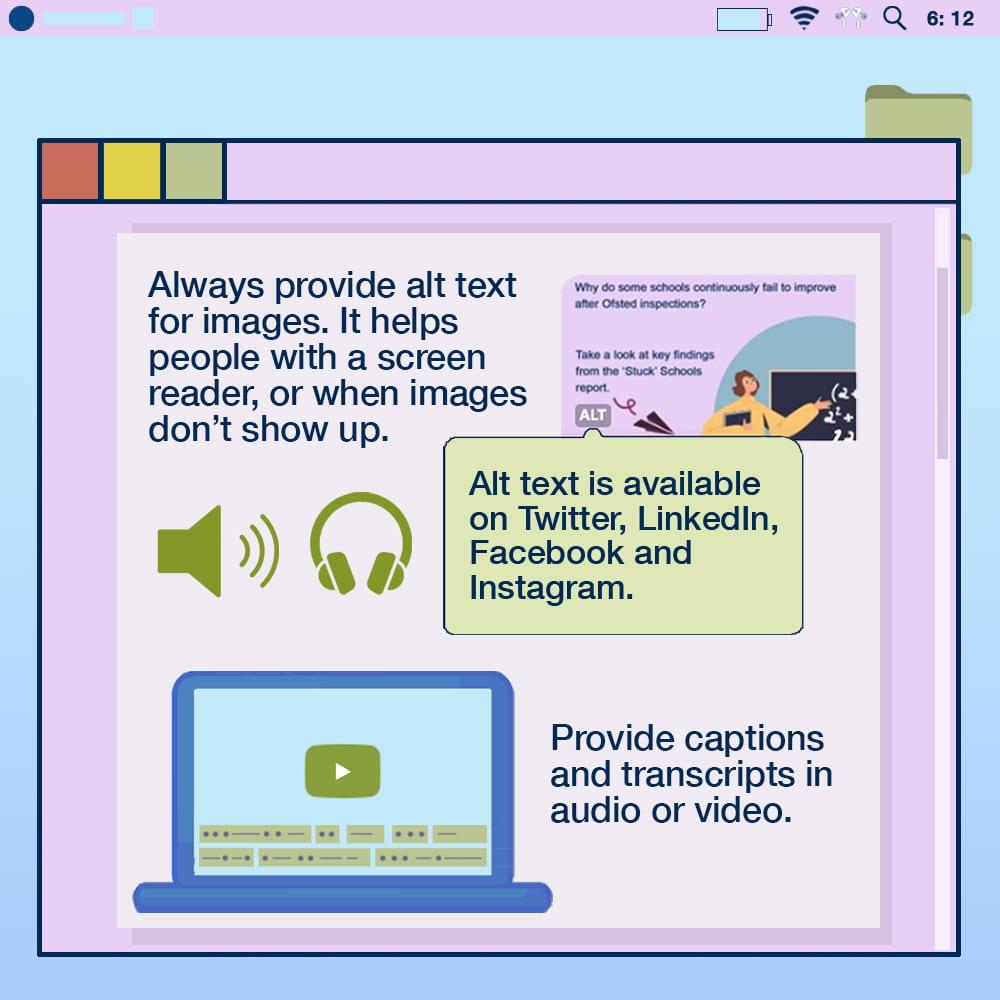
- Transcripts and captions: Include transcripts for audio content, and captions/subtitles for videos.
- Alt text on images: Describe images concisely so that screen readers can communicate their content.
- Accessible documents: Format PDFs, Word, and PowerPoint files to be readable by assistive technologies.
4. Integrate Assistive Technologies
- Screen readers: Test content with popular tools like JAWS, NVDA, or VoiceOver.
- Keyboard navigation: Ensure all functions are usable without a mouse.
- Text-to-speech & magnifiers: Support compatibility with these aids for learners with visual or reading impairments.
5. Inclusive Multimedia and Interactivity
- Choose multimedia platforms that support synchronization of captions, sign language interpretation, and easy-to-follow navigation.
- Provide both visual and auditory cues in interactive exercises or simulations.
Practical Tips for Digital Accessibility in Education
- Audit your digital learning tools regularly to identify accessibility gaps.
- Engage students with disabilities in usability testing.
- provide ongoing professional development for teachers on accessibility best practices.
- Leverage accessibility tools and plugins in your Learning Management System (LMS), like Blackboard Ally or Canvas Accessibility Checker.
- Make accessibility part of your procurement process when adopting new educational technology.
Sometimes small tweaks go a long way—e.g., labeling form fields, using descriptive link text (“Read the full article” not just “Click here”), and organizing content with semantic
tags for structure.
Case Studies: Digital Accessibility Success in Schools
Case Study #1: ABC University’s Accessible LMS Rollout
ABC University embarked on a campus-wide initiative to upgrade its Learning Management System. By prioritizing digital accessibility, the university:
- Achieved full WCAG 2.1 compliance for its course content.
- Worked with disabled students to test usability and make iterative improvements.
- Integrated screen reader-friendly navigation bars and ensured all documents were tagged appropriately.
- Reported a 18% increase in retention rates for students with learning and physical disabilities.
Case Study #2: Local School District’s “Captions for All” Campaign
Recognizing that many students struggled with audio content,a local school district mandated captions and transcripts for all instructional media. Outcomes included:
- Better comprehension for non-native speakers and hard-of-hearing students.
- Higher engagement during remote learning sessions.
- Widespread teacher adoption of accessible video creation techniques.
First-Hand experiences: Voices From the Classroom
“Before our school invested in accessible learning platforms, I frequently enough felt isolated and left behind. Now, with screen-reader compatibility and consistent alt text, I can participate in discussions, access assignments, and feel truly included.”
— Student, Secondary school
“Accessibility training changed my perspective. I now think about designing ALL resources for the broadest possible audience, not just those who need accommodations.”
— Educator, Online College
frequently asked Questions on Digital Accessibility in Education
What is the first step towards improving digital accessibility in education?
Begin by auditing existing resources and platforms to identify major accessibility barriers. Engage broader stakeholder groups—including students with disabilities—in the process.
Are there tools available to help test accessibility?
Yes! Popular tools include WAVE, axe, and WebAIM for websites, as well as accessibility checkers built into WordPress, Google Workspace, and major LMS platforms.
Is accessibility only for students with disabilities?
No. Accessibility benefits all learners, improving usability, navigation, and learning outcomes for every student, regardless of ability.
How often should digital learning tools be reviewed for accessibility?
At least annually, or whenever major updates are made to content, interfaces, or platforms.
Conclusion: Moving Forward with Inclusive Learning Tools
Digital accessibility in education isn’t just a trend—it’s a vital practice ensuring every student has the opportunities they deserve. by following key strategies, focusing on inclusive design, leveraging the right tools, and learning from real-world examples, educators, administrators, and edtech developers can create inclusive learning tools that empower everyone. Remember,accessibility is an ongoing commitment,shaping the future of learning for all.
Ready to take the next step? Start with an accessibility audit, invest in educator training, and make accessibility a core value of your digital education initiatives. The result: classrooms, schools, and institutions where everyone belongs.