
Digital badges: How Recognising Skills and Achievements Transforms Learning and Careers
In today’s dynamic and digitally-driven world, traditional credentials like degrees and diplomas are no longer the sole indicators of talent and expertise. Digital badges are rapidly changing the way we recognise skills and achievements, empowering learners and professionals to showcase their unique capabilities in a obvious, verifiable, and portable manner. But what exactly are digital badges, and how are they transforming both learning and career trajectories? In this complete guide, we’ll explore the fascinating world of digital badges and their far-reaching impact on education, employability, and lifelong learning.
What Are Digital Badges?
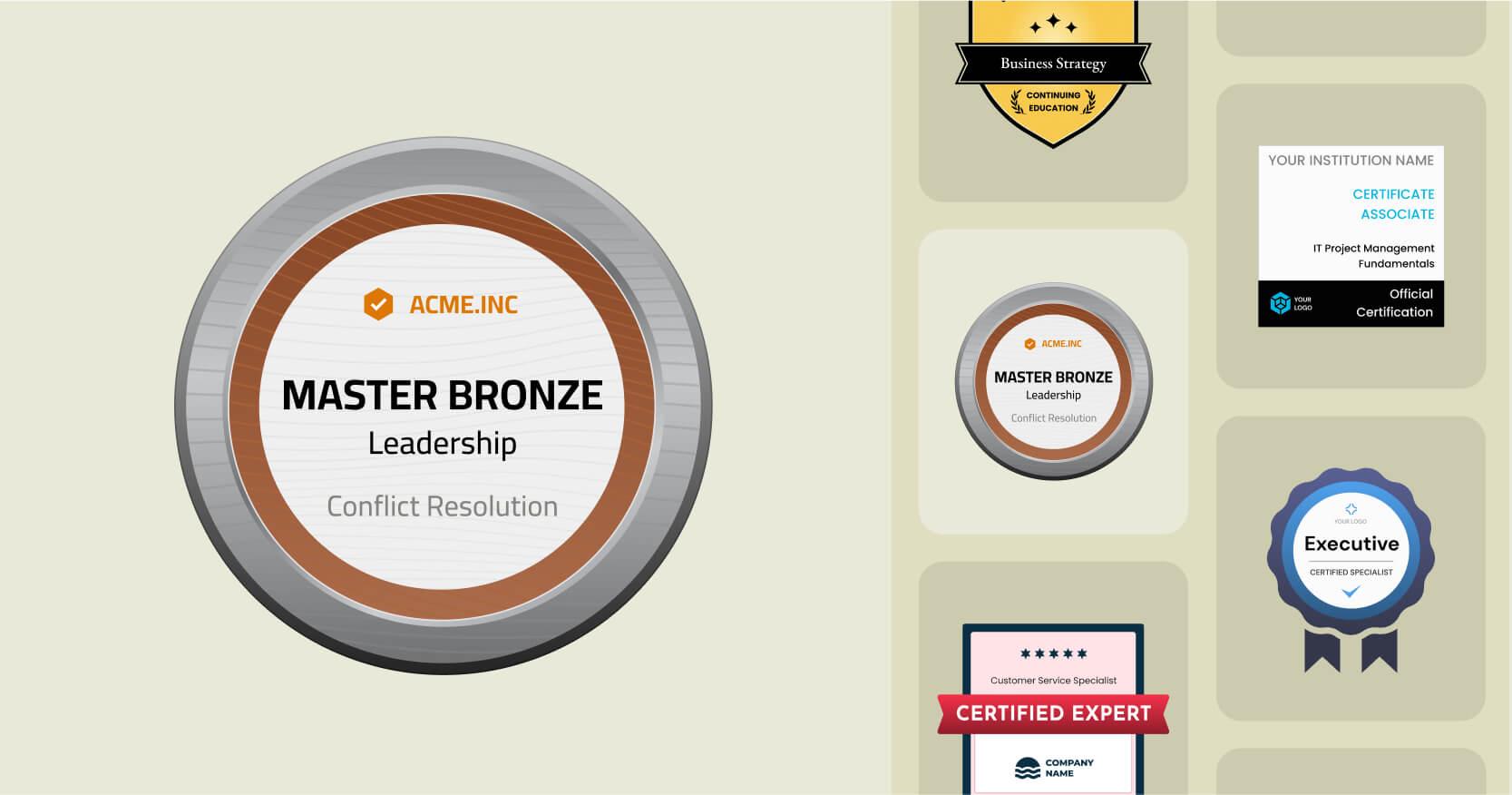
Digital badges are visual representations of skills, knowledge, competencies, or achievements that have been earned by an individual. Unlike traditional certificates, digital badges are issued, managed, and displayed online through secure, verifiable platforms. each badge contains metadata detailing the issuer, criteria for earning, issuance date, and often a direct link to evidence or demonstrations of the accomplishment.
- Verifiable: badges include embedded metadata for authenticity and credibility.
- Shareable: Easily added to social profiles, ePortfolios, LinkedIn, and resumes.
- Portable: Travel with the individual nonetheless of institution or employer.
- Stackable: Learners can accumulate multiple badges to chart personalised learning pathways.
Benefits of Digital Badges in Learning and Careers
The adoption of digital badges offers numerous advantages for learners, educators, and employers alike. Let’s explore some of the most impactful benefits.
1. Personalised Learning Paths
Digital badges enable individuals to tailor their learning journeys by earning recognition for specific skills, micro-credentials, or achievements that align with their goals.
2. Enhanced employability
- Showcases validated skills that are relevant to job roles.
- Demonstrates commitment to continuous learning and professional development.
- Gives employers a more nuanced insight into a candidate’s capabilities beyond traditional qualifications.
3. Recognition of Soft and Hard Skills
Traditional qualifications often overlook soft skills such as dialog, teamwork, and leadership. Digital badges make it possible to recognise these essential attributes alongside technical and subject-specific knowledge.
4. Motivation and Engagement
- Gamification: Earning badges creates a sense of achievement and progress.
- Immediate Feedback: Learners see direct results and validation of their efforts.
5. Verified and Secure Credentials
As digital badges are issued through secure platforms and include verifiable metadata, they are less susceptible to forgery or misrepresentation compared to paper certificates.
How Digital Badges Work: From Earning to Displaying
The journey from earning a digital badge to showcasing it online is seamless and user-friendly. Here’s how the process typically unfolds:
- Learning or Assessment: Complete a course, activity, or skill demonstration aligned with badge criteria.
- Badge Issuance: The institution or organisation issues a digital badge via an accredited badge platform (e.g., Credly, Badgr, Open Badges).
- Verification: Badge includes metadata for instant verification and clarity.
- Sharing: Add badges to LinkedIn, CVs, email signatures, or personal websites to enhance visibility among employers and professional networks.
Tip: Use a reputable digital badge wallet or portfolio such as Mozilla Backpack to collect and organize all your badges in one place.
Case Studies: Digital Badges in Action
1. IBM Open Badges
IBM’s widely-adopted digital badge program allows professionals across tech and non-tech domains to earn verified badges for completing courses or demonstrating skills in areas such as cloud computing,AI,and cybersecurity. This initiative has:
- Enhanced career mobility for thousands of employees worldwide
- Improved employee retention and engagement
- Attracted new talent seeking demonstrable learning opportunities
2. Universities and MOOC Providers
Leading universities and online course providers, such as Coursera, edX, and FutureLearn, offer micro-credentials and digital badges upon course completion. These badges:
- Allow learners to build a portfolio of practical skills
- Make continuing education more flexible and accessible
- Support career transitions and upskilling
Practical Tips: Getting Started With Digital Badges
Ready to harness the power of digital badges for your own learning or organisation? Here are practical strategies to help you begin:
- Identify Key Skills: Focus on in-demand skills in your field of interest or industry.
- Research Providers: Look for reputable platforms and trusted issuing institutions.
- Track Your Achievements: Use a digital wallet or ePortfolio to organise and showcase your badges.
- Promote Your Badges: Share them on professional networks like LinkedIn and include them in your CV or job applications.
- Encourage Organisational Adoption: Educators and employers can implement digital badge programs to motivate learners, recognise achievements, and close skill gaps.
Digital Badges vs. Traditional Credentials
| Feature | Digital badges | Traditional Certificates/Degrees |
|---|---|---|
| Verification | Instantly verifiable online | Frequently enough requires manual verification |
| Portability | Globally portable | Usually local or institution-specific |
| Level of Detail | Outlines specific skills and criteria | Often limited to course titles/grades |
| Cost | Often free or low-cost | Can be expensive |
| Update Frequency | Can be updated regularly | Static, rarely updated |
First-Hand Experiance: A Learner’s Perspective
“As someone transitioning from hospitality to IT, digital badges have been a game-changer for me. After completing a coding bootcamp, I was awarded several badges in front-end development, project management, and workplace collaboration. including these in my LinkedIn profile attracted recruiters’ attention and helped me land my first full-time tech role. Its empowering to see my growth reflected in a shareable, trusted format.”
- Maya,Digital Learner
The Future of Digital Badges
The future of education and career progression is increasingly digital,interconnected,and skill-focused.As digital conversion accelerates,we can expect:
- greater employer acceptance of micro-credentials and badges in recruitment processes
- Expansion into new areas—soft skills,leadership,community contributions,and more
- Integration with AI-driven talent management and HR systems
- Growing collaboration between educational institutions,enterprises,and professional bodies to develop industry-relevant badge ecosystems
Ultimately,the shift towards transparent and flexible digital credentialing is likely to empower lifelong learners and redefine how we recognise,validate,and reward human potential.
Conclusion
Digital badges represent a powerful evolution in how we acknowledge skills and achievements—offering a more granular,verifiable,and portable choice to traditional qualifications.Whether you’re an individual eager to showcase your unique capabilities, a learning institution seeking to motivate students, or an employer looking to bridge skills gaps, embracing digital badges can open up new avenues for growth and innovation. As we continue to navigate an ever-evolving educational and professional landscape, digital badges are poised to play an integral role in shaping the future of learning and careers.
Looking to boost your skills recognition? Start exploring digital badges today and unlock new opportunities!