
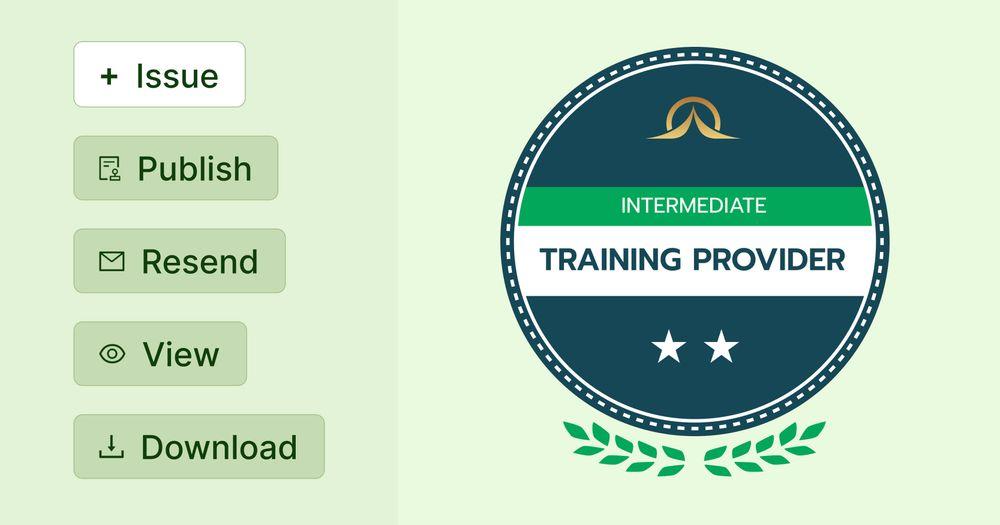
Digital Badges: How They Recognise and Showcase Skills & Achievements
With rapid advancements in technology and the evolution of the job market, showcasing skills and achievements online has become more crucial than ever. Digital badges are transforming how individuals demonstrate their competencies and how employers and organizations verify them. Whether you’re a student, a professional, or an educator, understanding the power of digital badges can set you apart in a competitive world.
What Are Digital Badges?
A digital badge is a visual, verifiable, and shareable online credential that recognizes specific skills, achievements, or competencies earned by an individual. Unlike conventional certificates, digital badges are not just images. They’re embedded with metadata that provides details about the skills acquired, issuing organizations, dates, and criteria for earning the badge.
- Credential Transparency: Each badge links to evidence supporting the achievement and information about what the badge represents.
- Shareable and Portable: Easily shared on platforms like LinkedIn, personal websites, digital resumes, and e-portfolios.
- widely Recognized: Increasingly accepted by universities, employers, and professional organizations worldwide.
Digital badges are issued by educational institutions, online learning platforms, industry organizations, and even workplaces to acknowledge both hard and soft skills.
How Do Digital Badges Work?
The process for earning and using a digital badge includes several key steps:
- Learning or Assessment: the individual completes a course, training module, or assessment.
- Issuance: The verifying organization awards the badge upon prosperous completion of set criteria.
- Verification: Badges include meta-data and verification links to authenticate the achievement.
- Showcasing: Recipients share badges across social media, email signatures, and professional profiles.
Many digital badges conform to the Open Badges Standard from IMS Global, ensuring badges are portable and interoperable across systems.
Benefits of digital Badges
adopting digital badges offers a myriad of benefits for individuals, educators, and employers alike. Here’s how digital badges are changing the landscape of skills recognition:
For Individuals
- Personalized Reputation: Build a verifiable online portfolio of diverse achievements and skills.
- Motivation: Encourage continuous learning and track progress in real-time.
- Employability: stand out in the job market by visibly demonstrating hands-on capabilities and specialized expertise.
For Employers
- streamlined Recruitment: Quickly and accurately verify job candidates’ skills.
- Talent Development: Use badges to support employee upskilling and reskilling initiatives.
- Trusted Verification: Reduce risks of fraudulent claims about qualifications.
For Educators & Institutions
- Recognition Beyond Grades: Highlight soft skills, community service, extracurricular participation, and micro-credentials.
- Increased Engagement: Incentivize students with visible, incremental achievements along learning paths.
- Data Insights: Track learning trends and identify areas of excellence or needed improvement.
How to Showcase Digital Badges Effectively
Simply earning digital badges isn’t enough—knowing how to showcase them can make the difference in advancing your career or academic pursuits.Here are practical tips to maximize the visibility and impact of your digital badges:
- Share on Professional networks: Add badges to your LinkedIn profile,where recruiters and peers can easily verify your skills.
- Include in Digital Resumes: Use badges as visual proof of achievements in your CV or online portfolios.
- Add to Personal Websites: Display badges using embed codes or badge plugins for websites like WordPress.
- Email Signatures: Include badges to reinforce your expertise in correspondence.
- Social Media Sharing: Post about new badges on platforms such as Twitter, Facebook, and Instagram.
Popular Digital Badge Platforms
Numerous platforms facilitate the creation, issuing, and management of digital badges. Here are some of the most widely recognized solutions:
- Credly: A leader in digital credentialing, trusted by global organizations for skill verification.
- Badgr (now part of Instructure): Popular in education for integrating badges with Learning management systems (LMS).
- Acclaim: Enables professionals to share, manage, and verify digital badges across networks.
- Open Badge Factory: Offers a comprehensive system for organizations to issue and manage digital badges at scale.
Case Studies: Real-Life Impact of Digital Badges
Mozilla Foundation’s Open Badges Initiative
Mozilla’s Open Badges project was among the pioneers, allowing learners from all backgrounds to earn and display badges based on verified skills. Organizations such as NASA, disney-pixar, and numerous universities have adopted the Open Badges specification, leveling the playing field for skills recognition across industries.
IBM Digital Badges Program
IBM’s extensive digital badges program is a benchmark example. Since its launch, IBM has distributed millions of badges globally, evidencing expertise in cloud computing, AI, cybersecurity, and more. Employees report higher engagement, and recruiters value these portable, authentic credentials.
Universities Embracing Digital Badges
Prestigious institutions like MIT, Harvard, and the Open University have begun offering digital badges for micro-credentials, short courses, and specialized training—which not only boost students’ employability but also facilitate lifelong learning.
First-Hand Experience: Earning and Using a Digital Badge
Consider Jane, a marketing specialist who decided to advance her skills in digital analytics. She enrolled in an industry-recognized online course. Upon successful completion, she received a Credly digital badge for “Google Analytics Specialist.” Jane added her badge to LinkedIn and her portfolio site. Within weeks, recruiters reached out to her, noticing her newly acquired, verifiable skill—demonstrating the true, practical value of digital badges in career progression.
“Digital badges gave me instant recognition and allowed potential employers to verify my skills with just a click.It’s like having a mini-certificate that travels with me everywhere.” — Jane, Marketing Professional
Digital Badges vs Traditional Certifications
| Digital Badges | Traditional Certifications |
|---|---|
| Shareable online, easy to embed | Physical or PDF files, not easily shared |
| Includes meta-data and verification | Requires manual verification |
| Micro-credentials for specific skills | Often broad, covering entire courses or programs |
| Supports lifelong learning and incremental achievements | Periodic updates, less flexible |
Future of Digital Badges in Skills Recognition
As businesses focus more on skills-based hiring and educational institutions emphasize lifelong learning, digital badges will continue to play a vital role in the credentialing ecosystem. Expect further integration with technologies like blockchain for enhanced security and interoperability, along with employer-driven badge initiatives for professional development and talent mobility.
Conclusion: Embrace the digital Badge Revolution
In today’s fast-paced, digital-first world, digital badges offer a futuristic and practical way to recognize, verify, and showcase skills and achievements. They bridge the gap between learning and employment, empower learners to communicate their capabilities authentically, and enable organizations to trust what candidates claim to know. Whether you’re a job seeker, a student, a training provider, or an employer, adopting digital badges can unlock new opportunities and give you a distinct edge.
Ready to take your achievements to the next level? Start earning and sharing digital badges today!