
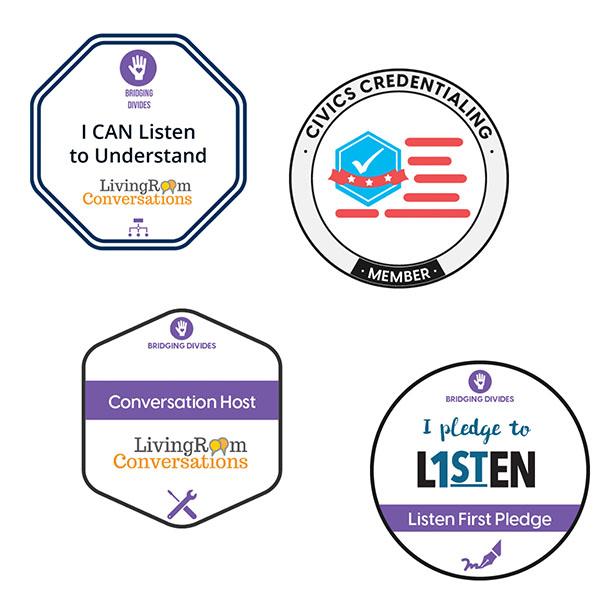
Digital Badges: How They recognise and Showcase Your Skills & Achievements
Introduction to Digital Badges
In an ever-evolving digital landscape, how we demonstrate our professional skills and accomplishments has experienced a paradigm shift. Digital badges have surged to the forefront as innovative tools to recognise and showcase skills and achievements online. whether you’re a lifelong learner, a working professional, or an employer seeking to validate credentials, digital badges offer an efficient and verifiable solution. In this article, we’ll explore what digital badges are, how they work, and why they’ve become essential in the modern educational and professional ecosystem.
what Are Digital Badges?
Digital badges are web-enabled credentials that represent a person’s skills, learning experiences, or achievements. Each badge is more than just an icon; it’s a data-rich digital certificate embedded with data such as:
- The issuing organisation
- The criteria for earning the badge
- Date awarded
- Skills and competencies demonstrated
- Evidence of the achievement
These micro-credentials are designed for easy sharing via social media platforms,email signatures,personal websites,or professional networks like LinkedIn,allowing recipients to broadcast their validated expertise globally.
How Digital Badges Work
The process of earning a digital badge is straightforward and transparent, making them a trustworthy form of digital recognition for skills:
- Participation & Completion: Individuals engage in a course, project, or activity offered by an accrediting body or platform.
- Assessment: Learners fulfil specific criteria or pass assessments to demonstrate their competence.
- Awarding: Upon successful completion, a digital badge is issued and stored in a secure digital wallet or backpack (e.g., Open Badges standard).
- Sharing & Verification: Earners can share their badge online, where anyone - including employers – can verify it’s authenticity and the underlying evidence.
The metadata attached to each badge ensures clarity, supporting the recognition of real skills beyond a static CV or physical diplomas.
Benefits of Digital Badges
Digital badges are changing the learning and advancement landscape for individuals, educators, and employers alike. Here are some compelling benefits:
- Verifiable Proof of Skills: Badges use blockchain or secure databases, offering tamper-proof validation for skills, knowledge, or competencies.
- Personal Branding: Showcase your digital badges on platforms like LinkedIn and Twitter to strengthen your professional brand.
- Motivation for Continuous Learning: Micro-credentials incentivise learners to engage in skill development through visible and attainable milestones.
- Accessibility and Portability: Digital badges can be accessed anytime, anywhere, and shared instantly, unlike traditional paper certificates.
- Alignment with Industry Needs: Employers value badges that directly match workforce requirements, making job searches more efficient for both candidates and recruiters.
- inclusion in E-Portfolios: Enhance online CVs or personal websites with digital badges,giving recruiters fast insights into your expertise.
Digital badges vs. Traditional Certificates
Why are digital badges disrupting the traditional means of recognising achievement?
| Feature | Digital Badges | Traditional Certificates |
|---|---|---|
| Verification | Instant, online, with rich metadata | Manual, may require contacting issuer |
| Shareability | Easily shared on digital platforms | Physical copy or scan needed to share online |
| Detail | Includes criteria, issuer, evidence, and date | Often limited to title, date, and issuer |
| Recognition | Increasingly recognised by employers | Traditionally recognised, but less adaptable |
Popular Digital Badging Platforms
Several platforms and organisations are leading the charge in digital badge issuance. Here are a few you might encounter:
- Credly: Used by major tech companies,universities,and professional associations to award verifiable digital credentials.
- Badgr/mozilla Open Badges: Open-source infrastructure that integrates with learning management systems.
- Acclaim: Popular with global certification bodies for IT,project management,and more.
- Canvas Credentials: Education-focused, provides digital badging for academic and professional growth.
Real-World Case Studies: Digital Badges in Action
Let’s look at how digital badges are making an impact across different sectors:
1. Higher Education and Online Learning
The University of California, Davis piloted a digital badging initiative for its continuing education programmes. Students who earned badges saw a 30% advancement in job interview callback rates, as verified skills were immediately visible to employers.
2. Corporate Training
IBM issued over one million digital badges for technical upskilling programs. These micro-credentials support internal promotion and have become a key differentiator for job candidates within and outside IBM.
3. Professional Associations
The Project Management Institute (PMI) adopted digital badges to credential new project managers. Members report quicker recognition of their skills in recruitment processes, especially within global teams.
Practical Tips: Maximising the Value of Digital Badges
- Choose Reputable Providers: opt for badges from industry-recognised bodies to ensure maximum credibility.
- Display Strategically: Feature badges prominently on your LinkedIn, CV, website, or professional portfolio.
- Showcase Evidence: Where possible, link to projects or artefacts that demonstrate how you earned the badge.
- Stay Updated: Continually seek out new digital badges to keep your skillset current and relevant.
- Network and promote: Share your achievements in professional communities, alumni groups, and at industry events.
First-Hand Experience: The transformational Power of Digital Badges
many badge earners describe a sense of empowerment that comes with collecting and displaying their digital credentials. For instance, Jane Doe, a marketing specialist, said:
“After earning a series of digital badges in content strategy and analytics, I noticed a marked increase in recruiters reaching out to me on LinkedIn. My badges not only validated my expertise but also gave me talking points in interviews that set me apart.”
Digital badges not only validate the learning journey but also foster greater engagement and motivation among professionals and students alike.
Frequently Asked Questions about Digital Badges
-
Q: Are digital badges recognised by employers?
A: Increasingly, yes! Many employers now actively look for digital badges as proof of specific skills or competencies, especially in fast-changing tech and business sectors.
-
Q: Can I use digital badges internationally?
A: Absolutely. Digital badges are globally portable and easily verifiable by anyone with internet access.
-
Q: Do digital badges replace degrees or formal qualifications?
A: Digital badges complement,rather than replace,traditional qualifications by validating specialised or updated skills.
Conclusion: the Future of Skills Recognition
Digital badges are fast becoming the universal language of skills recognition, bridging the gap between formal education, professional certification, and lifelong learning. As more organisations adopt digital badging, they empower individuals to tell a richer story of their abilities and achievements. Whether you’re seeking a competitive edge in the job market or demonstrating your commitment to upskilling, now is the time to harness the benefits of digital badges—authentic, portable, and designed for the digital world.
Ready to take the next step? Explore digital badges today and let your verified skills and achievements speak for themselves!