
Digital Badges: How They Recognise and Validate Your Skills and Achievements
In today’s fast-paced, digital-driven world, showcasing your skills and accomplishments goes far beyond paper certificates and customary resumes. Enter digital badges — a dynamic way to recognise and validate your skills and achievements online.In this article,we’ll explore what digital badges are,how they work,their benefits,real-world applications,and practical tips to leverage them for your personal and professional growth.
What Are Digital Badges?
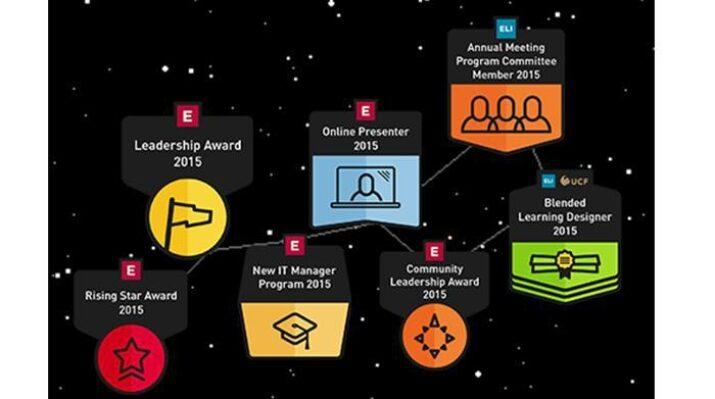
Digital badges are verifiable, shareable, and portable representations of a learner’s skills, achievements, or credentials acquired through various learning experiences. Unlike physical certificates, digital badges exist electronically and come embedded with rich metadata detailing what the badge represents, who issued it, and the criteria for earning it.
- Visual icon: easily recognisable and attractive graphic to display achievements
- Metadata: Contains information such as issuer, date earned, criteria, and evidence
- Verification: Can be authenticated by employers or educators via unique links or QR codes
- Shareability: Designed to be showcased on linkedin, digital portfolios, resumes, and personal websites
How Digital Badges Recognise and Validate Skills
Digital badges provide clear, transparent, and verifiable evidence of what you know and what you can do. They bridge the gap between learning and employment, ensuring that your skills and accomplishments are visible, validated, and easily shared.
The Validation Process
- Assessment: Earners complete a specific task, course, or assessment aligned with the badge requirements.
- Issuance: The organisation (e.g., a university, online course platform, or employer) issues a digital badge embedded with relevant information.
- Verification: Anyone (employers, colleagues, or institutions) can verify the authenticity and legitimacy of the badge via unique digital credentials.
This systematic approach makes digital badges a reliable proof of your competencies,moving beyond simple attendance or completion to real-world skills and mastery.
Benefits of Digital Badges
- Enhanced Credibility: Each badge includes detailed evidence and validation, fostering greater trust with employers and peers.
- Increased Visibility: Digital badges are easily shareable on online profiles, social media, and job request platforms, making your skills more discoverable.
- Portable and Stackable: Collect badges from various sources and stack them together to showcase a comprehensive range of abilities.
- Engagement and Motivation: Encourages continuous learning as earners see tangible rewards for their achievements.
- Alignment with Industry Standards: Many badges are mapped to industry frameworks, ensuring your skills align with job market requirements.
- Accessible for All: Digital badges democratise recognition, allowing anyone to earn and display skills nonetheless of location or background.
Practical Applications of Digital Badges
The use of digital badges is quickly expanding across diverse fields,serving lifelong learners,educators,hiring managers,and organisations alike.Here are some practical applications:
- Professional Advancement: Employees earn badges for mastering new tools, completing training programs, or demonstrating leadership skills.
- Education: Students collect badges as they achieve learning milestones, participate in clubs, or finish projects that supplement traditional academic records.
- Recruitment: Hiring managers can verify and assess candidates’ claimed skills in real-time, improving the recruitment process.
- Online Learning: eLearning platforms issue digital badges to certify triumphant course completions or the acquisition of specialised skills.
- Community & Volunteer Work: Nonprofits use badges to acknowledge community service, leadership, or specialised training.
Case Studies: Real-world Success with Digital Badges
1. IBM Digital Badge Program
IBM is a pioneer in integrating digital badges across its training and certification offerings. By 2023, over 5 million badges had been issued through the IBM Digital Badge Program. These badges recognise expertise in areas like cloud computing, data science, and cybersecurity, providing visible proof of an employee’s skills to current and prospective employers.
2. Open University’s Badge the UK Project
The Open University (UK) launched an initiative to use open badges as evidence of informal learning and community involvement. These badges, recognised by both employers and educational institutions, have enabled learners from diverse backgrounds to showcase employability skills gained outside the classroom.
3. Mozilla Open Badges
Mozilla launched the Open Badges standard,which has been adopted by hundreds of universities and organisations globally. This open-source framework has empowered learners to collect badges from different sources, unifying their achievements into a digital portfolio.
How to Start Earning and Using Digital Badges
Ready to take advantage of digital badges? Here are practical steps to get started:
- Identify Trusted Platforms: Look for reputable badge issuers such as Coursera, linkedin Learning, Credly, or your company’s LMS.
- Select Skills to Showcase: Focus on badges that align with your career or education goals—technical,soft skills,or subject-specific competencies.
- Complete Courses or Assessments: Enrol in relevant programs or training modules and fulfill all badge requirements.
- Claim and Share Your Badges: Add your badges to LinkedIn, digital resumes, email signatures, and personal websites to maximise visibility.
- Organize and Stack Your Badges: Use platforms that allow for badge stacking and digital portfolios, such as Badgr or Open Badge Passport.
Pro Tip: Keep your badges up to date by pursuing continuous professional development and showcasing new credentials as you earn them.
First-Hand Experiences: What Earners and Employers Say
“Digital badges helped me land my first job in IT! By sharing my badges on LinkedIn, I was able to show employers exactly which programming languages and tools I had mastered—much more effectively than listing them on my CV.”
– Alex, Junior Developer
“From a recruitment standpoint, digital badges let us easily verify skills and encourage applicants to showcase real-world projects. They streamline the screening process and help us identify top talent quickly.”
– HR manager, Tech Company
Tips for Maximising the Value of Your Digital Badges
- Choose badges from respected and well-known organisations.
- Ensure your badges are endorsed or linked to industry standards.
- Update your online profiles regularly and add newly earned badges.
- Build a cohesive digital portfolio to showcase a range of skills.
- Share your badges in networking events, during interviews, and on professional communities.
Conclusion: Your Digital Skills Passport for the Future
Digital badges are revolutionising how individuals demonstrate and validate skills and achievements in our increasingly digital world. As learning pathways diversify, and employers put more emphasis on competencies, digital badges provide a transparent, efficient, and scalable credentialing solution for the future of work and education.
Whether you’re a student,professional,job seeker,or employer,integrating digital badges into your skill-development journey is a strategic move. Use them to set yourself apart, gain recognition for your achievements, and unlock new opportunities in your career or academic pursuits. It’s time to let your skills shine—one badge at a time!