
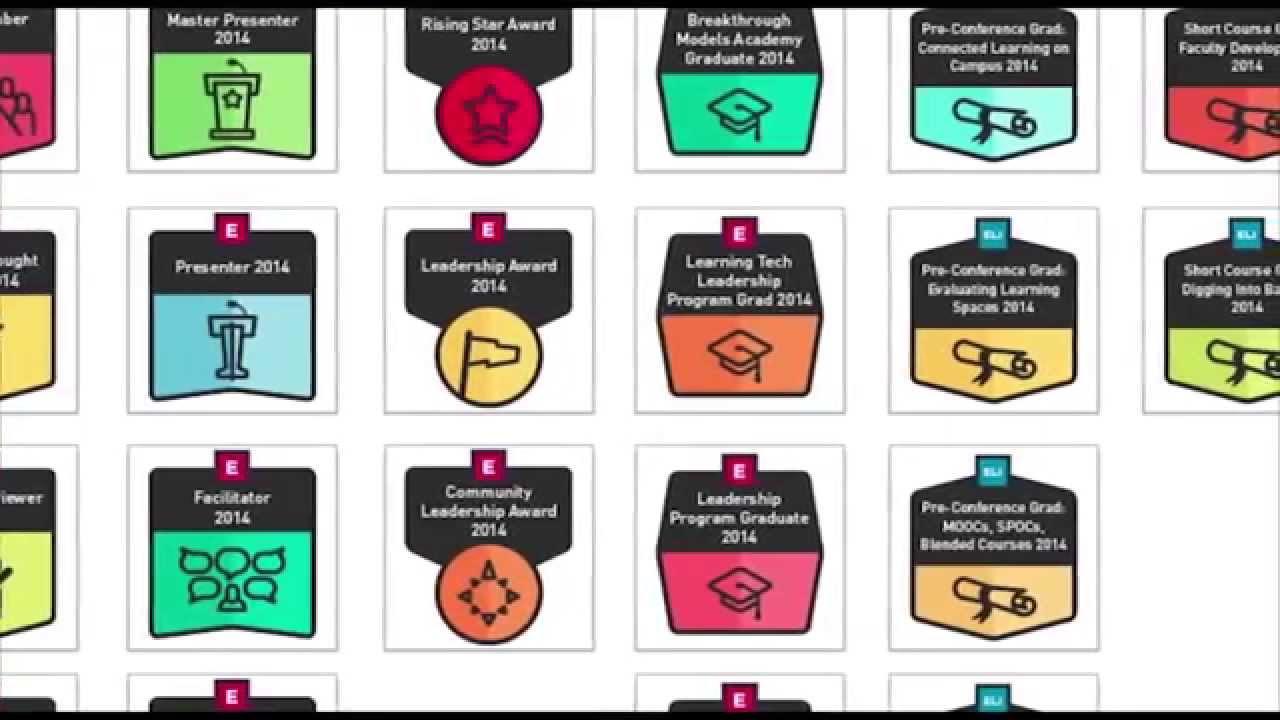
Digital Badges: How they Recognise Skills and Achievements in the Digital Age
In today’s rapidly evolving world, the recognition of specialized skills and achievements extends beyond conventional diplomas and certificates. Digital badges have emerged as a powerful tool to verify and showcase accomplishments in education,professional advancement,and beyond. In this article, we explore how digital badges recognise skills and achievements, their benefits, practical tips for adoption, and real-world case studies to inspire your own journey.
What are Digital Badges?
Digital badges are visual, verifiable tokens awarded to individuals upon accomplishment of specific skills, knowledge, or tasks. Unlike traditional certificates, digital badges are embedded wiht metadata detailing what was achieved, who issued the badge, and the criteria for earning it. This makes them portable, shareable, and easy to validate across various platforms online.
- Visual Representation: Digital badges use icons or images, often displayed on profiles, CVs, or websites.
- Metadata: Facts such as issuer, date, skill description, and evidence is embedded within each badge.
- Verification: Third parties can verify the authenticity and requirements of the badge.
Popular frameworks like Open Badges by Mozilla have standardized the credentialing process, making it easy for learners, educators, and employers to leverage digital badges.
How Digital Badges Recognise Skills and Achievements
Digital badges represent a shift towards competency-based learning, micro-credentialing, and lifelong learning. Here’s how they provide authentic recognition in the digital age:
-
Micro-Credentials for Specific Skills:
They acknowledge the mastery of specific skills,from coding and dialog to project management and customer service,rather than broad degrees. -
Transparent Criteria:
Every badge includes details about what the learner did to earn it, ensuring clarity and trust among viewers. -
Evidence-Based Verification:
Badges often link to digital portfolios, assessments, or projects that serve as evidence of the holder’s capabilities. -
Portability Across Platforms:
Earners can display digital badges across LinkedIn, personal websites, digital resumes, and professional networks, making their skills visible to a wider audience. -
Real-Time Updates:
Badges can be updated or archived as skills are refreshed, ensuring credentials remain current.
Benefits of Digital Badges in the Digital Age
Embracing digital badges delivers a myriad of advantages for individuals,educational institutions,and employers alike:
- Motivation & Engagement: Badges reward learning milestones,encouraging continuous skill development.
- Career Advancement: Digital credentials help candidates stand out to employers by showcasing niche expertise.
- Standardization: Badges adhere to industry standards, making them recognizable beyond organizational boundaries.
- Immediate Validation: Recruiters can easily verify digital badges,minimizing fraud and improving hiring accuracy.
- Cost-Effective: Digital badges are inexpensive to issue and distribute compared to paper certificates.
- Lifelong Learning: Badges cater to the new world of upskilling,reskilling,and continuous education.
Practical Tips for Implementing Digital Badges
Whether you’re an educator, trainer, or organizational leader, integrating digital badges into your programs can enhance both engagement and recognition. Here’s how to get started:
1. Define Clear Criteria
Establish transparent, measurable criteria for each badge. Specify the learning objectives,required evidence,and assessment methods.
2. Choose Reliable Badge Platforms
Consider platforms like Badgr,Credly, or Open Badges for issuing and managing your badges.
3. Foster Badge Ecosystems
- Encourage peer endorsements based on verified skills.
- Allow badges to stack or build towards larger qualifications.
4. Integrate with Learning Management Systems
Connect your badges to LMS platforms like Moodle, WordPress, or Canvas to streamline issuance and tracking.
5. Promote Badge Value
Communicate to learners and stakeholders the real-world benefits of earning badges and how to feature them on digital platforms such as LinkedIn.
Case Studies: Digital Badges in Action
IBM’s Digital Badges Program
Technology giant IBM offers an extensive digital badge program recognizing skills in cloud computing, data science, and AI. the impact? Over 3.7 million badges have been issued, boosting employee advancement and helping recruiters easily validate vital technical competencies.
Minnesota State Colleges and Universities
The Minnesota State system implemented digital badges to recognize students’ mastery in employability skills such as teamwork, communication, and problem-solving. These micro-credentials are increasingly valued by local employers,who use them to identify talent with the most relevant soft skills.
Mozilla Open Badges and Open university
The UK’s Open University leveraged Mozilla’s Open Badges framework to award badges for completion of online courses on their FutureLearn platform. This motivated learners to complete programs and gave them tangible, sharable credentials for their professional profiles.
First-Hand Experience: A Learner’s Outlook
“Earning digital badges transformed my approach to online learning. Each badge wasn’t just a symbol—it was proof of a specific skill that employers could instantly verify. By sharing my badges on linkedin, I gained recognition from recruiters and even landed remote freelancing gigs that required verified credentials in project management and content strategy.”
— Sarah L.,Digital Marketing Specialist
future Trends: What’s Next for Digital Badging?
The future of digital badges is closely tied to the growth of online learning and the demand for verified skills:
-
Integration with Blockchain:
Immutable records and tamper-proof verification will further enhance badge credibility. -
AI-Driven Skills Matching:
Platforms will use badges to efficiently match talent to jobs, projects, or teams. -
Greater Customization:
Personalized learning pathways, where badges are stacked to build unique, learner-centric portfolios. -
Global Adoption:
more industries and educational institutions will embrace digital badges as a supplement—or even alternative—to traditional transcripts.
Conclusion
Digital badges are revolutionizing how we assess, recognise, and showcase skills and achievements in the digital age. By providing portable, verifiable, and transparent proof of learning and accomplishment, they empower lifelong learners, job seekers, educators, and employers alike. As the demand for skill-based hiring and professional development continues to grow, digital badges are poised to become a central pillar in the future of education and workforce recognition.Whether you’re looking to implement a badge system or earn your first digital credential, now is the perfect time to embrace this innovative approach.Start building your skills portfolio with digital badges today!