
Digital Badges: How They Recognise Skills and Achievements in the Modern Workforce
Digital badges are revolutionising the way skills, knowledge, and accomplishments are recognised in the modern workforce. As traditional resumes and paper certificates lose relevance, digital badges offer a dynamic, verifiable, and shareable way to showcase what individuals can actually do. Whether you’re an employer seeking top talent or a professional aiming to stand out, understanding digital badges is key to thriving in today’s employment ecosystem.
What Are Digital badges?
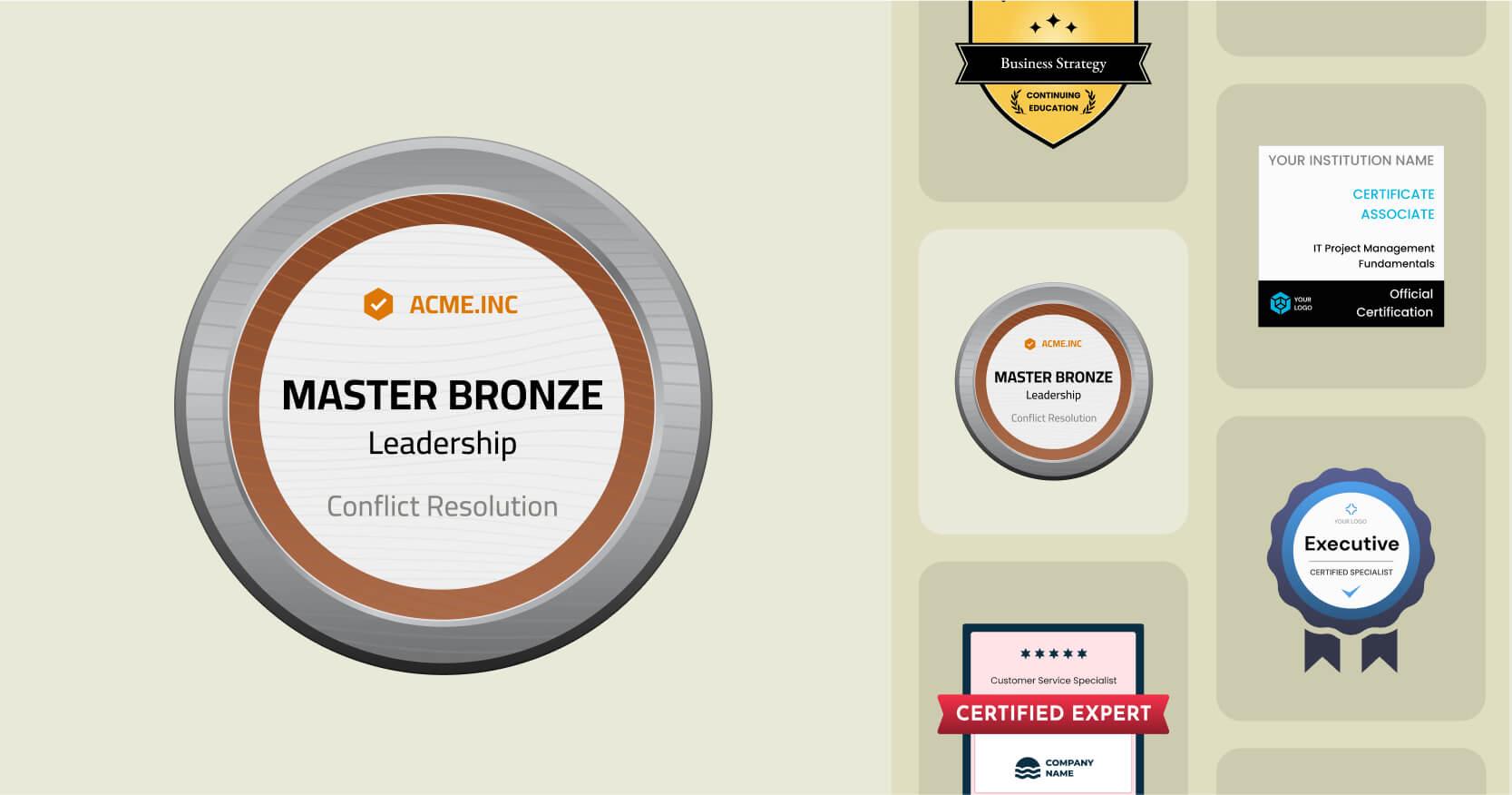
A digital badge is an online credential that represents a person’s skill, achievement, or certification. Unlike traditional certificates, digital badges are embedded with metadata that provides details about the issuer, the criteria required to earn the badge, and evidence demonstrating the skill or achievement.
- Verifiable: Each badge can be validated, ensuring it’s authentic and current.
- Portable: Digital badges can be displayed on LinkedIn profiles, digital resumes, personal websites, or even in email signatures.
- Stackable: Professionals can collect badges from multiple sources, building a robust and evolving professional profile.
The Rise of digital Badges in the Modern Workforce
as the workplace evolves, employers increasingly seek candidates with practical, demonstrable skills. Digital badges have emerged as a modern solution to bridge the gap between education and employability, offering a transparent way to showcase continuous learning and real-world accomplishments.
With leading platforms like Credly, Open Badges (by mozilla), and Badgr, both educational institutions and employers are leveraging digital badges to:
- Recognise micro-credentials and specific skill sets
- Highlight soft skills such as teamwork, leadership, and communication
- Encourage lifelong learning and professional growth
- Facilitate upskilling and reskilling for a rapidly changing job market
How Digital Badges Work
- Skill or Achievement: The learner completes a course, training, or project or demonstrates a competency.
- Badge Issuance: An authorised organisation (school, company, professional association) issues a digital badge via a recognised platform.
- Verification & metadata: The badge contains metadata detailing the skills or achievements, assessment process, and the issuer’s credibility.
- Sharing: Recipients share their badges on professional networks, online portfolios, or can submit badges directly to employers.
Benefits of Digital Badges for Professionals and Employers
For Professionals
- Career Advancement: Digital badges make it easy to demonstrate specific competencies to potential employers.
- Instant Recognition: Employers can quickly recognise current, validated skillsets.
- Lifelong Learning: Badges motivate continuous growth and enable professionals to stand out in a competitive job market.
- Portable and Shareable: Showcase your achievements wherever you go,from job applications to networking platforms.
For Employers
- Efficient Hiring: Quickly verify candidate skills and reduce recruitment errors.
- Targeted Development: Identify gaps in your team’s skillsets and encourage ongoing learning.
- Employee Motivation: Recognising achievements with badges boosts engagement and morale.
- Brand Credibility: organisations that issue or accept digital badges demonstrate commitment to innovation and professional development.
Real-World Applications: Case Studies
1. IBM’s digital Badge Program
IBM has issued millions of digital badges to employees, partners, and customers who complete training in areas like cloud computing, AI, and cybersecurity. This program has accelerated skill development and provided employees with industry-recognised credentials that increase employability and internal mobility.
2. Mozilla’s Open Badges in Education
Mozilla’s Open Badges provide educators and students a standardised way to issue and receive badges for a range of competencies, from basic digital literacy to advanced programming. This has enabled learners to build portfolios that go beyond traditional transcripts.
3. LinkedIn Learning Integration
LinkedIn Learning allows users to earn badges for completing courses and assessments. These badges are automatically added to their profiles,making it easy for recruiters to spot qualified candidates at a glance.
Practical Tips: How to Make the Most of Digital Badges
- Choose Recognised Providers: Use platforms like Credly, Badgr, and LinkedIn Learning to ensure your badges are credible and widely accepted.
- Align Badges with Career Goals: Target badges that resonate with your current job or desired career path.
- Keep Your Badges Updated: Stay informed about expiring qualifications and pursue refreshing or advanced courses.
- Promote Badges Effectively: Display badges on your resume, LinkedIn profile, digital portfolio, or even your email signature.
- Network and Share: Engage with peers and industry professionals by sharing your badge achievements. This builds your personal brand and opens up new opportunities.
First-Hand Experience: Voices from the Workforce
“After completing a cybersecurity micro-credential, I received a digital badge from my training provider. Adding it to my LinkedIn profile almost instantly caught the attention of recruiters. It helped validate my skills and showed my dedication to professional growth.”
“We use digital badges as part of our onboarding and talent development process.they make it easier to identify employees’ strengths and tailor learning paths for promotions and new projects.”
How to Start Earning Digital Badges
- Identify Your Skills Gaps: Consider what employers in your field are looking for and where you could improve.
- research Badge Providers: Explore accredited organisations, universities, and online platforms offering digital badging.
- Complete Courses or Projects: Participate in workshops,micro-courses,or volunteer opportunities that offer badges upon completion.
- Claim and Share Your Badge: Once earned, add your badge to your online presence to get noticed by recruiters and peers.
Conclusion: The future of Skills Recognition
Digital badges are transforming how skills and achievements are recognised in the modern workforce. They offer clarity, portability, and relevance in an evolving job market where rapid learning and adaptability are essential. Whether you’re looking to advance your career, upskill your team, or verify candidate capabilities, digital badges provide a smart, scalable solution for the future of work.
Embrace the digital badge movement today—showcase your talent,demonstrate your achievements,and unlock new opportunities in your professional journey.