
Digital Badges: How They Recognise Skills and Achievements in the Modern World
In the rapidly evolving landscape of education and professional development,digital badges have emerged as powerful tools for recognizing skills and achievements. Unlike traditional certificates and diplomas, digital badges offer a flexible, verifiable, and portable way for individuals to showcase their abilities. Whether you are a student, a professional, or an organization seeking innovative ways to validate and share skills, understanding the meaning of digital badges is essential in today’s connected world.
What Are Digital Badges?
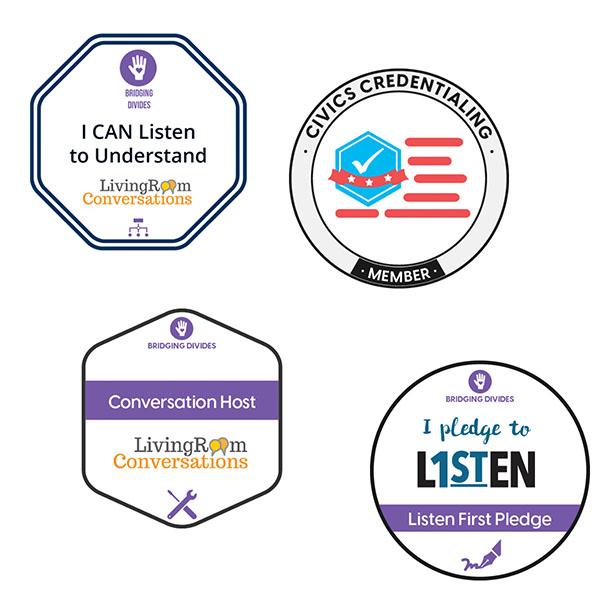
Digital badges are secure, web-enabled credentials that visually represent a learned skill, accomplishment, or certification. Typically,they are issued through platforms that support Open Badges standards,allowing the badges to display detailed metadata—such as the issuer,criteria,evidence,and expiration date—when clicked or inspected.
- Visual Depiction: Digital image or icon associated with a particular skill or achievement.
- Metadata: Links to verified details about what the badge stands for.
- Portability: Badges can be shared on social networks, websites, e-portfolios, and resumes.
Popular platforms for digital badges include credly, Badgr, and Mozilla Backpack.
How Do Digital Badges Work?
The digital badge ecosystem is built on the concept of open standards and blockchain-backed verification.Here’s a breakdown of the digital badging process:
- Skill or Achievement Earned: The individual completes an assessment, training, course, or achieves a milestone recognized by an issuer.
- Badge Issued: An organization or educational institution awards a digital badge via a trusted platform.
- Badge Acceptance and Storage: The recipient accepts the badge and stores it in a digital backpack or profile.
- Sharing: The badge can be shared on LinkedIn, personal websites, digital resumes, or virtual portfolios, adding credibility and visibility.
Benefits of Digital Badges
Digital badges offer a multitude of benefits for both learners and organizations. Their growing adoption is driven by the tangible value they bring in recognizing, motivating, and verifying achievement.
Benefits for Learners
- Immediate Recognition: Receive acknowledgment for newly acquired skills and micro-credentials as soon as they are earned.
- Verifiable Proof: Each badge is backed by data that can be independently verified by employers or peers.
- Motivation and Engagement: Badges encourage continuous learning and goal-setting.
- career Mobility: Showcasing badges on digital profiles increases visibility to recruiters and employers.
Benefits for Organizations
- Standardized Recognition: Consistent representation of learning objectives across programs.
- Enhanced Brand Value: An innovative approach to credentialing distinguishes organizations as forward-thinking.
- Data-Driven Insights: Track progress and engagement within professional or academic communities.
- Improved Recruitment: Easily identify candidates who possess verified competencies.
Practical Tips for Leveraging Digital Badges
To make the most of digital badges for career advancement and personal development, consider the following best practices:
- Curate Your Badge Collection: Regularly organize and update your digital badge portfolio. Include onyl the most relevant and recognized credentials for your career goals.
- Promote Across Platforms: Share your badges on LinkedIn, professional blogs, and personal websites to maximize visibility.
- Understand the Badge Metadata: When sharing a badge, ensure that it’s issued date, skills, and evidence are visible and accessible to viewers and potential employers.
- Pursue Stackable Badges: Many organizations offer stackable badge programs where multiple badges add up to larger certifications or microdegrees.
- Stay Updated: As technology evolves, so do opportunities for new badges. Regularly seek out new learning opportunities in your field.
case Studies: Digital Badges in Action
Numerous organizations and educational institutions have successfully integrated digital badges to validate skills and achievements. Some notable examples include:
IBM Digital badges
IBM has issued millions of digital badges across fields such as data science, AI, and cybersecurity. Thes badges are recognized by employers worldwide and have led to significant career advancements for learners globally.
Mozilla Open Badges Project
The Mozilla Foundation pioneered the Open Badges standard,enabling academic institutions and nonprofits to issue interoperable credentials. Their project has empowered thousands to showcase micro-credentials in coding, literacy, and community engagement.
LinkedIn Learning Badges
Upon completion of certain online courses, learners receive badges that can be embedded directly into their LinkedIn profiles. This instant validation increases both employability and professional credibility.
Digital Badges vs.Traditional Certificates
While traditional certificates remain valuable, digital badges offer unique advantages in the digital age:
| Aspect | Digital Badges | Traditional Certificates |
|---|---|---|
| Verification | Easily verifiable online via metadata | Manual process, often requiring additional contact |
| Portability | Shareable across digital platforms | Physical or limited digital use |
| Lifespan | Can be updated, revoked, or expire automatically | Static, cannot be dynamically updated |
| Detail | Rich metadata included | Limited detail, often just a course name |
First-Hand Experience: Building a Digital Badge Portfolio
As someone who has personally leveraged digital badges for career development, I can attest to their impact. My journey began with a single coding badge from a reputable online platform. Sharing this badge on LinkedIn opened doors to freelance projects and professional conversations with industry leaders. With each new badge, my portfolio grew stronger—offering tangible proof of my skills and motivation to continue learning.
Employers have repeatedly remarked on the clarity and detail embedded in digital badges, making the hiring process more transparent and efficient. For those seeking to stand out in modern workflows, a curated digital badge collection can be a game-changer.
Future of Digital Badges in the Modern World
The future of digital badges looks brighter than ever. As remote work, lifelong learning, and online certifications become the norm, digital badges will increasingly become central to how we demonstrate our capabilities and verify achievements. With trends such as micro-credentialing, blockchain security, and AI-driven verification, digital badges are poised to disrupt traditional methods of recognition globally.