
Digital Badges: How They Recognise Skills and Boost Achievements in the Modern Workplace
Introduction: The Rise of Digital Badges in the Modern Workplace
In today’s rapidly evolving workplace, skills development and recognition have become crucial for both employees and employers. Digital badges are emerging as a powerful tool to acknowledge professional achievements,verify competencies,and foster a culture of continuous learning. In this guide, we’ll explore how digital badges are revolutionising skill recognition, strengthening career pathways, and boosting achievements in organisations of every size.
What Are Digital Badges?
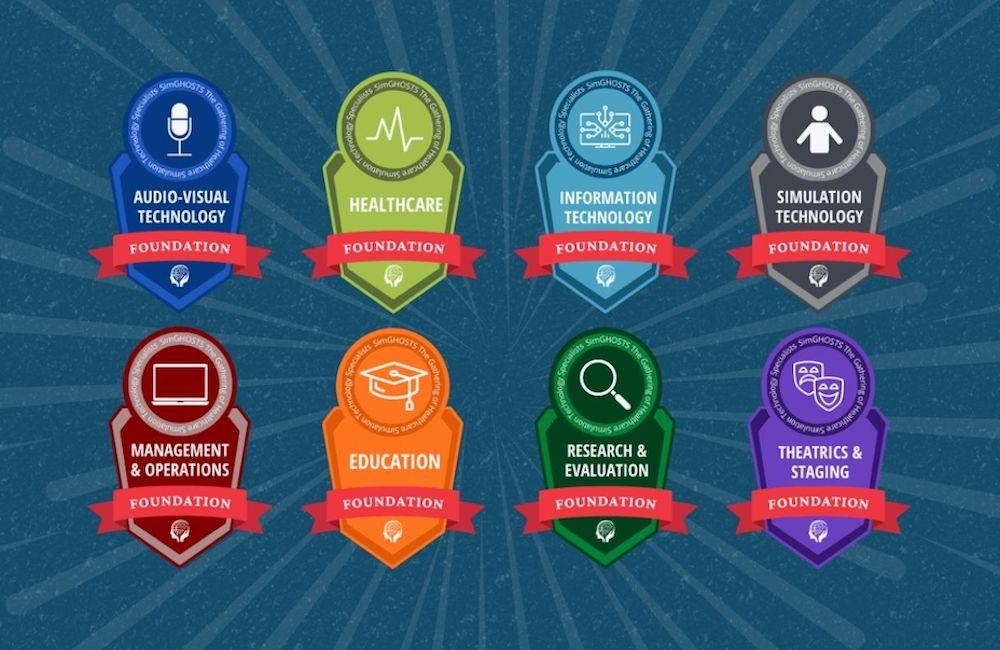
Digital badges are visual representations of an individual’s skills, achievements, or certifications earned through various learning experiences, both formal and informal. Unlike traditional paper certificates, digital badges are secure, verifiable, and shareable online. Each badge is embedded with metadata that details:
- The issuer of the badge
- The criteria for achievement
- The date earned
- Expiration (if applicable)
- Evidence supporting the achievement
Popular platforms like Credly, Badgr, and Open Badge Factory are widely used for creating, issuing, and managing digital badges across industries and educational institutions.
Why Digital Badges Matter in the Workplace
The modern workplace values skills-based hiring and evidence-driven talent management. Digital badges offer a credible,obvious way to showcase real-world abilities and learning progress. Here are several reasons why digital badges are becoming indispensable in professional environments:
- Transparency and Trust: Badges are verifiable, reducing instances of “resume inflation”.
- Micro-credentialing: employees can earn recognition for specific skills, not just degrees.
- Skills Mapping: Organisations can identify existing skill gaps more easily.
- Continuous Learning: Badges incentivise ongoing professional development.
- Enhanced Employability: Individuals can share badges on LinkedIn, cvs, or portfolios to attract new opportunities.
Key Benefits of Digital Badges for Employees and Employers
Introducing digital badges delivers a wealth of advantages.Below are some of the top benefits for both employees and their organisations:
For Employees
- Recognition: Receive formal acknowledgment of hard-earned skills and milestones.
- Portability: Badges travel with you across roles,companies,or even industries.
- Motivation: Earning badges inspires continual learning and engagement.
- Visibility: Stand out by displaying accomplishments publicly.
For employers
- Workforce analytics: Track team competencies to optimise training investments.
- Attract Top talent: Offer badge pathways as a workplace perk.
- Brand Reputation: Demonstrate commitment to employee development and innovation.
- Retention: Employees feel valued and are more likely to stay with an organisation that recognises their learning.
How Digital Badges Work: The Issuance and Display Process
Understanding the lifecycle of a digital badge helps organisations deploy effective badge programmes. Here’s how the typical process unfolds:
- Skill Assessment: The individual completes a course, demonstrates competency, or achieves a milestone.
- Badge Issuance: A trusted organisation issues a digital badge using a recognised platform.
- Verification: Each badge is backed by secure metadata, allowing external parties to verify its authenticity and criteria.
- Sharing: The earner displays the badge on digital resumes, LinkedIn profiles, email signatures, or internal HR systems.
- Analysis: Employers and platform users can analyse badge data for skill mapping and workforce planning.
Practical Tips for Implementing Digital Badges in Your Organisation
Rolling out a successful digital badge initiative requires careful planning and strategic alignment. Here are some best practices:
- Define Clear Criteria: Establish transparent, measurable standards for earning each badge.
- Select the Right Platform: Choose a reliable issuing service compatible with your HR or Learning Management System (LMS).
- Integrate with Existing Frameworks: Align badges with current training, performance, or leadership programmes.
- Promote Digital Literacy: Educate employees and managers about what badges mean and how to use them.
- Encourage sharing: Empower staff to showcase badges on professional networks and company profiles.
Case Studies: Real-World Success Stories with Digital Badges
Across the globe, forward-thinking organisations are already reaping the rewards of digital badges:
IBM’s Digital Badge Program
As launching its digital badge programme, IBM has issued over 3.5 million badges to internal and external audiences globally. This initiative helps IBM to recognise specialist skills, encourage learning, and nurture a pipeline of talent with critical tech competencies.
Deakin University, Australia
Deakin University integrates digital badges into its courses and micro-credentials, giving students a competitive edge in the job market. These badges are valued by employers as verifiable proof of industry-aligned capabilities.
PwC’s Skill-Building Badges
PwC uses digital badges to motivate staff to upskill in key areas like technology, data analysis, and leadership. Badges form part of individualised learning plans and play a key role in internal promotions and upskilling projects.
First-Hand Experience: How Digital Badges Impacted My Career
“Earning digital badges through my company’s leadership programme gave me new confidence and visible proof of my abilities. When I updated my LinkedIn profile with these badges, recruiters started reaching out and asking about my certifications. Not only did this lead to new job opportunities, but it also helped me negotiate a promotion internally. Digital badges made my skills stand out in a crowded job market.”
– Sarah L., Marketing Professional
Frequently asked Questions About Digital Badges
1. Are digital badges secure?
Yes, digital badges use cryptographically signed metadata to ensure that they can’t be forged or misrepresented.
2. Where can I display my digital badges?
You can display your digital badges on professional networks like LinkedIn, on your digital resume, email signature, personal website, or portfolio.
3. Do digital badges replace degrees or certificates?
Digital badges complement rather than replace traditional credentials. They offer granular recognition of specific skills and achievements.
4. Can digital badges expire?
Some badges, especially those related to technology or compliance, may have expiration dates, ensuring that the holder’s knowledge remains current.
Conclusion: Embracing Digital Badges for a Future-Ready Workforce
As the professional landscape shifts towards evidence-based skill recognition and lifelong learning,digital badges present a dynamic solution for both career advancement and organisational growth. By adopting digital badges, businesses showcase their commitment to transparent, meaningful staff development, while individuals gain powerful tools to demonstrate their unique expertise.
Whether you are an HR leader, a training manager, or an ambitious professional, exploring digital badges can unlock new avenues for recognising, validating, and broadcasting achievements—both today and in the workforce of tomorrow.