
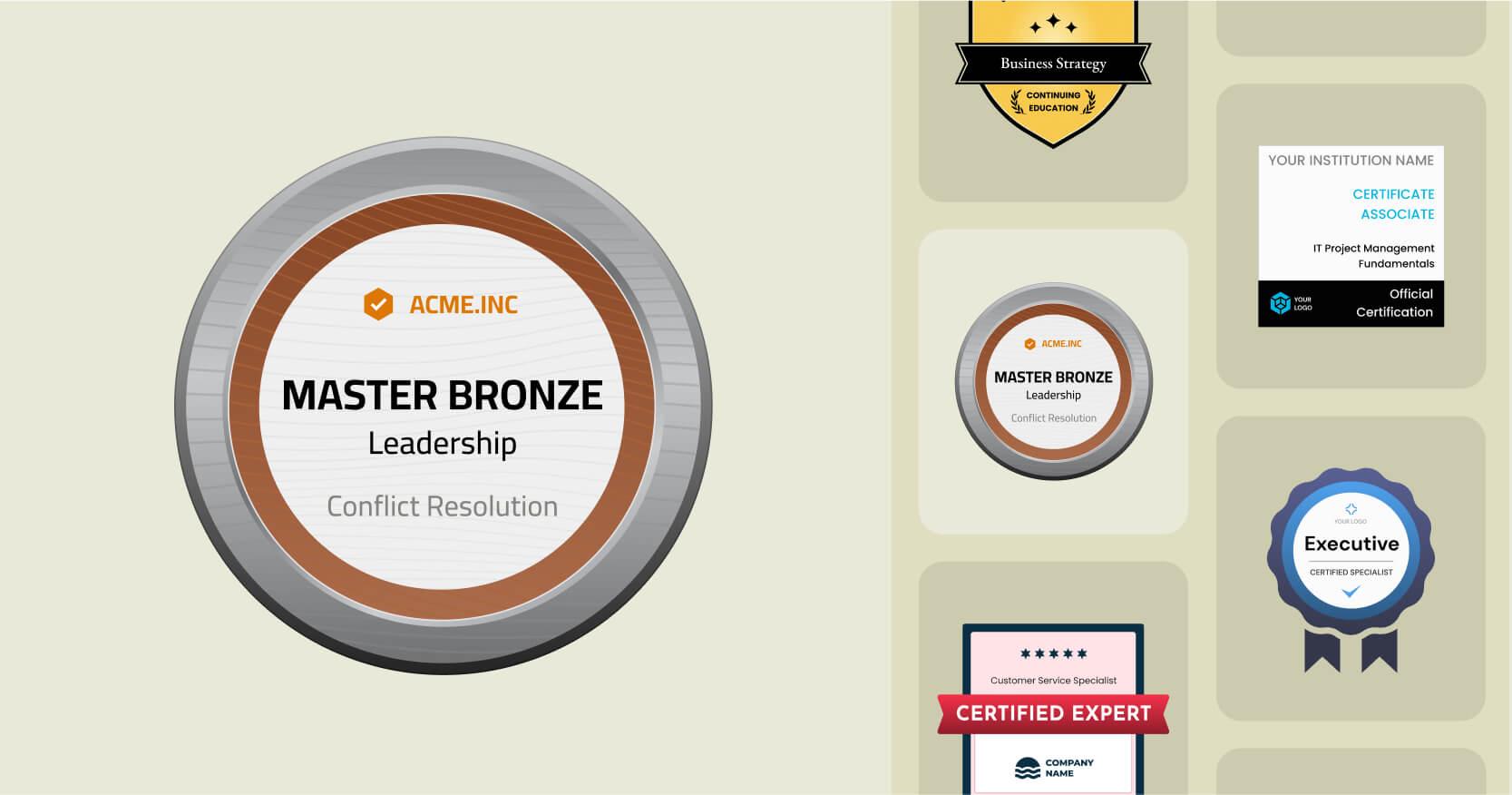
Digital Badges: How They Recognise Skills and Boost Achievements
In today’s fast-paced digital world, conventional paper certificates and degrees frequently enough struggle to keep up with the rapidly evolving skills landscape.Enter digital badges: dynamic credentials that are transforming the way individuals gain recognition for thier capabilities. But what are digital badges, and how do they recognise skills and boost achievements across education, employment, and personal development? Let’s explore how these innovative micro-credentials are reshaping talent recognition, motivating learners, and supporting lifelong success.
- What Are Digital badges?
- Benefits of Digital Badges
- How Digital Badges Recognise Skills
- Real-World Examples and Case Studies
- Practical Tips for Leveraging Digital Badges
- Digital Badges and the Future of Skills Recognition
- Conclusion
What Are Digital Badges?
Digital badges are secure, web-based tokens that represent an individual’s accomplishment, skills, or knowledge in a specific area. Much more than a simple image or icon, each digital badge is embedded with detailed metadata describing the achievement, issuing authority, criteria for earning, and evidence supporting the claim.
these verifiable micro-credentials can be displayed across various platforms, such as linkedin profiles, digital resumes, e-portfolios, and learning management systems (LMS). Consequently, digital badges offer a transparent and portable form of skills recognition for both educators and employers.
Benefits of Digital Badges
Digital badges are more than just digital stickers; they serve as powerful tools for personal and professional growth. Here are some key benefits:
- Motivation & Engagement: Badges leverage gamification, encouraging learners and employees to pursue skill-building through goal-oriented recognition.
- Evidence-Based Validation: Each badge contains metadata that verifies the accomplishment, making it easy for employers or educators to confirm authenticity.
- Versatility & Portability: Digital badges can be shared and displayed across multiple digital channels, making them accessible worldwide.
- Alignment with Modern Workforce Needs: Skills change quickly in today’s job market; digital badges allow for timely recognition of new abilities and emerging competencies.
- Lifelong Learning Promotion: Encouraging continuous professional development beyond formal education.
How Digital Badges Recognise Skills
Skill recognition is the cornerstone of the digital badge ecosystem. Here’s how digital badges capture and validate skills:
1. Clear criteria and Competencies
Every digital badge is associated with detailed criteria specifying the exact knowledge, skills, or behaviours required to earn it.For example, a coding badge might require the completion of a specific project, exam, or peer review.
2. Secure Metadata and Verification
Badges are supported by tamper-proof metadata, outlining:
- Name of the issuer (e.g. university, employer, online platform)
- Date earned and period of validity (if any)
- Full description of the achievement and skills demonstrated
- Links to projects, assessments, or evidence
3. Shareable and Portable Recognition
Badge earners can add their achievements to social media, professional networks, or digital portfolios with a simple click. Each badge becomes a shareable, clickable credential linking back to the original record.
4. Alignment with Industry Standards
Many digital badge programs collaborate with industry associations or leading employers to ensure badge criteria correspond to real-world demands.This alignment increases the credibility and value of badges among recruiters and HR professionals.
Real-World Examples and Case Studies
Let’s look at some practical ways digital badges are implemented to recognise skills and boost achievements across education and professional contexts:
Education: Mozilla Open Badges Initiative
The Mozilla Open badges project was a pioneer in the digital badge movement, providing an open standard for creating, issuing, and verifying badges. Many universities and MOOC (massive open Online Courses) providers now issue badges for skill-specific achievements, such as Leadership, python Programming, or Creative Writing.
Corporate Training: IBM Digital Badges
IBM introduced a extensive digital badge program to address technology skills gaps and support ongoing professional development. Employees and external learners can earn badges for completing training and demonstrating expertise in areas like cybersecurity, AI, and cloud computing. These badges are publicly shareable and widely recognised within the tech industry.
Public Sector: NHS Digital Badges (UK)
The UK’s National Health Service (NHS) uses digital badges to validate clinical and digital skills among healthcare professionals, ensuring transparent recognition and upskilling in critical areas.
Personal Success Story: Maria’s Journey
“After completing a series of online courses in data analytics, I earned several digital badges from reputable providers. Adding them to my LinkedIn profile dramatically increased my profile views – and soon, recruiters started reaching out with job opportunities I hadn’t imagined possible.Digital badges helped me stand out and confidently showcase my skills.”
— Maria N., Data Analyst
Practical Tips for Leveraging Digital Badges
wont to make the most of digital badges for your own growth or your organisation? Here are some action-oriented strategies:
- Choose Recognised Badge Issuers: Select badges from well-known educational institutions, industry organisations, or corporate leaders for maximum credibility.
- Align Badges with career Goals: Pursue badges that match your professional interests and the needs of your target employers.
- Curate and Display Strategically: Add relevant badges to your linkedin, resume, and digital portfolios—but avoid clutter (quality over quantity).
- Encourage Team Recognition: for organisations, use badges as part of ongoing performance management, annual reviews, or upskilling programs.
- Track Developments in Digital Credentials: Stay updated with evolving digital badge standards like Credly, Badgr, and Open Badges to maintain your badges’ value.
Digital Badges and the Future of Skills Recognition
As automation, artificial intelligence, and remote work reshape the job market, the demand for transparent, validated proof of skills will continue to grow. Digital badges are uniquely positioned to address:
- Upskilling and Reskilling Needs: professionals can quickly gain, prove, and promote new tech or soft skills.
- Global Recognition: Badges enable cross-border validation, making international collaboration and mobility more accessible.
- equity and Inclusivity: Individuals with unconventional pathways—such as self-taught learners or career changers—can showcase their talents on an equal playing field.
As employers increasingly value skills over traditional degrees, digital badges are set to become a cornerstone of future-ready talent pipelines worldwide.
conclusion
Digital badges have moved far beyond novelty status—they are a transformative force for recognising skills,boosting achievements,and unlocking new opportunities in learning and work.By offering validated, transparent, and portable proof of expertise, digital badges empower individuals to take charge of their professional growth and enable organisations to foster a culture of continuous upskilling. Whether you’re a student, educator, employer, or lifelong learner, embracing digital badges can open the door to fresh possibilities and brighter futures. Are you ready to take the next step in your skill recognition journey?