
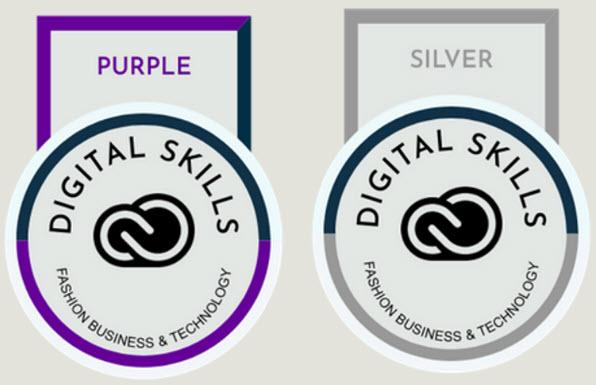
Digital Badges: How They Recognise Skills and Celebrate Achievements
in today’s advancing digital landscape, showcasing one’s talents and accomplishments goes far beyond paper certificates and conventional trophies. Digital badges are emerging as a modern, innovative solution that not only recognise skills but also celebrate achievements in a visually engaging, shareable, and verifiable way. in this comprehensive guide, we’ll explore what digital badges are, how they work, their benefits, and how you can actively incorporate them into your professional and educational journey.
What Are Digital Badges?
Digital badges are electronic representations of achievements, skills, or knowledge gained. Unlike conventional certification methods, digital badges use metadata, images, and secure links to provide detailed information about the accomplishment, the issuer, and the criteria required to earn the badge. These credentials are earned through formal educational achievements, professional trainings, workshops, online courses, or even hands-on experience in a specified field.
- Visual: Badges have a distinctive design, often incorporating logos, colours, and icons representing the skill or achievement.
- Verified: Each badge is verifiable, ensuring authenticity and credibility.
- Shareable: Digital badges can be shared across social networks, emails, portfolios, and CVs.
- Metadata-rich: They contain essential metadata — issuer, date, criteria, and proof of achievement.
How digital Badges Recognise Skills
Digital badges are specifically designed to acknowledge and highlight both hard and soft skills acquired by individuals. By visualising specific competencies,badges become a powerful currency in the professional world,allowing employers and peers to instantly perceive a person’s capabilities and expertise.
1. Skill Validation
Each badge is linked to concrete evidence or assessment, verifying that the earner possesses the skill in question. this is especially crucial for:
- Technical Proficiencies: e.g., Coding languages, data analytics, cloud computing.
- Professional Development: e.g., Project management, leadership, communication.
- Industry certifications: e.g., Digital marketing, cybersecurity.
2. Micro-credentials
micro-credentials via digital badges break down broad qualifications into specific, granular skills and achievements. This creates a detailed map of an individual’s abilities and can be stacked over time, forming a robust professional profile.
3. Real-Time Recognition
With digital badges, there’s no waiting for formal certificates to be printed and mailed. Once the criteria are met, badges are instantly awarded and can be shared globally, promoting immediate recognition and celebration of achievements.
The Benefits of Digital Badges
Adopting digital badges can offer meaningful advantages for learners, educators, and employers alike. Let’s examine some of the core benefits:
- Enhanced Employability: Employers increasingly rely on digital badges for quick,reliable assessment of candidate skills,making badges a powerful asset for job seekers.
- Motivation and Engagement: Learners feel more motivated to achieve goals when progress is tracked and celebrated via badges.
- Lifetime Portfolio: Digital badges remain accessible forever, forming a living record of personal growth and professional achievements.
- Openness: Each badge links to detailed criteria and evidence, providing third parties with clear verification of capabilities.
- Customisation: Institutions and organisations can design badges for their specific requirements, aligning recognitions precisely with their values and expectations.
- global sharing: Badges are easy to display on LinkedIn, personal websites, WordPress blogs, digital portfolios, and employment applications, amplifying your reach.
Practical Tips for Maximising Digital Badges
Want to make the most out of your digital badges? Here are some practical, actionable tips:
- Add Badges to Your LinkedIn Profile: LinkedIn offers dedicated sections for certifications and achievements — upload your badges with clear descriptions to catch recruiters’ eyes.
- Integrate Badges into WordPress Portfolios: Use the
[badge]shortcode or embed badge images with their verifiable credential links to showcase your skills beautifully on your site. - Share on Social Media: Post badges on Twitter, Facebook, or Instagram with a short narrative about your accomplishment to amplify visibility.
- Include Badges in Your Email Signature: A subtle but effective way to signal expertise with every correspondence.
- Stack Your Badges: Collect related badges to form pathways or journeys — many platforms (like Credly or Badgr) support this feature, demonstrating your progressive growth.
- Target Industry-Relevant badges: Focus on earning badges from reputable bodies in your field for maximum impact.
Case Studies: Real-World Impact of Digital Badges
Case Study 1: IBM Digital Badges
IBM introduced a robust digital badge program to incentivise employees and external learners to acquire new tech skills. With over 1 million badges awarded, many participants reported enhanced visibility in the job market, faster promotions, and increased motivation for continuous learning.
Case Study 2: University of california’s Online Learning Badges
UC campuses integrated digital badges into online course offerings, allowing students to display achievements on digital portfolios. Graduates experienced smoother transition into their careers, with badges acting as conversation starters in job interviews.
Case Study 3: Mozilla Open Badges
Mozilla developed a standardised, open-source system for issuing and verifying digital badges. Organisations worldwide adopted this framework, fostering a more transparent, accessible, and portable system of skill recognition for both learners and employers.
First-Hand Experience: How Digital Badges Changed My Career Path
On a personal note, earning digital badges in project management and digital marketing allowed me to stand out during a highly competitive job search. I added these badges to my LinkedIn profile and personal blog,instantly attracting recruiters who appreciated the transparency and depth of my skillset. The credibility of issuing bodies such as Coursera and HubSpot further enhanced my professional profile.the process not only motivated me to pursue additional learning but also empowered my confidence in negotiations and interviews.
Common Platforms for Digital Badges
- Credly: One of the largest and most trusted credentialing platforms.
- Badgr: Offers robust integration with learning management systems and open standards.
- Canvas: embeds badges directly within its learning platform.
- Khan Academy: Provides badges for learning and skill achievements.
- Moodle: Allows educators to create and deliver badges for course completion.
Future Trends in Digital Badges
As technology continues to evolve, digital badges are becoming even more sophisticated and widely accepted:
- Blockchain Verification: Blockchain technology enables secure, immutable proof of badge ownership and authenticity.
- AI-Powered Credentialing: Artificial intelligence will further personalise badges and map them to career pathways.
- Universal Acceptance: Increasing standardisation means digital badges will play a central role in global skills mobility.
- Integration with HR Systems: Direct syncing with hiring platforms streamlines verification for recruiters.
Conclusion
Digital badges have revolutionised the way skills and achievements are recognised, celebrated, and utilised across educational and professional spheres. By combining visual appeal, detailed metadata, and instant shareability, these innovative credentials provide learners, job seekers, and professionals with a dynamic edge in our rapidly changing world. Whether you’re looking to enhance your employability, motivate continuous learning, or document your lifelong achievements, embracing digital badges can set you apart and open doors to new opportunities.
Start earning, showcasing, and celebrating your skills with digital badges today — let your achievements tell your story!