
Digital Badges: How They Recognise Skills and Celebrate Achievements in the Modern World
In today’s interconnected and rapidly changing world, acknowledging skill progress and celebrating achievements have moved beyond conventional certificates and diplomas. Digital badges have emerged as a powerful, modern way to recognise abilities, foster motivation, and validate learning in professional and educational contexts. Their growing popularity signals a shift from static credentials to dynamic,verifiable,and shareable proof of accomplishments. In this article, we explore how digital badges work, their benefits, implementation tips, and real-life applications that are shaping the future of skills recognition.
What Are Digital Badges?
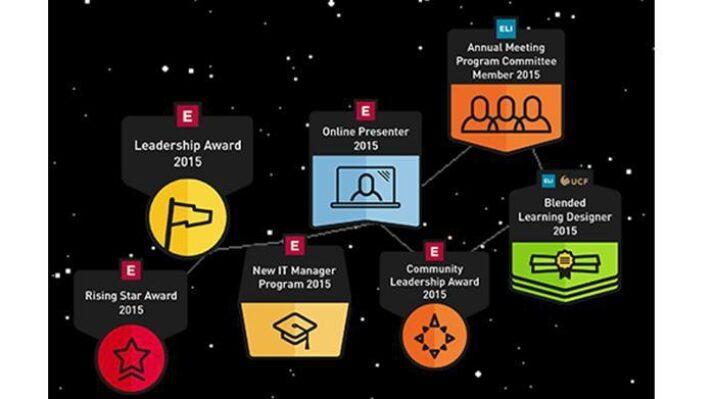
Digital badges are visual, online representations of skills, achievements, or competencies acquired through various learning experiences. Unlike traditional credentials, digital badges are embedded with metadata that verifies how, when, and by whom the badge was earned. This digital proof can be displayed on social media, digital portfolios, LinkedIn profiles, resumes, and even personal websites.
- Visual representation: An image or icon that symbolises a particular skill or accomplishment.
- Embedded metadata: Digital badges include detailed details such as issuer, criteria, date, and evidence of achievement.
- shareability: Badges can be easily shared online, making them highly visible to employers, peers, and educational institutions.
How Do Digital Badges work?
The core of digital badges lies in their verification and authenticity. Most digital badges adhere to standards like Open Badges, ensuring interoperability and trustworthiness.
- issuance: Badges are awarded by credible organisations (schools,universities,companies,online platforms) after completion of specific tasks,courses,or assessments.
- Verification: Metadata within the badge documents what the recipient has achieved and how it was validated.
- Sharing and Display: Earners can showcase their badges across different digital platforms, increasing visibility and recognition.
“A digital badge is more than just an image—it is a verified, data-rich symbol of skill and achievement.”
The Benefits of Digital Badges
- Verified skills: Badges offer employers and educational institutions a trustworthy record of specific competencies.
- Motivation and Engagement: Earning badges drives learners to complete goals and pursue continuous learning.
- Portability: digital badges can travel with the earner, displayed and shared online, supporting personal branding and career mobility.
- Micro-credentialing: Badges allow for recognition of smaller, specialised achievements, supplementing formal qualifications.
- Inclusivity: They offer all learners—regardless of background—opportunities to have their unique skills recognised.
- Openness: With embedded metadata, digital badges clarify what was learned, the context, and the rigor of assessment.
- Cost-Effective: Distribution and verification are efficient and affordable,making badges accessible to all stakeholders.
Digital Badges vs. Traditional Certificates
| feature | Digital Badges | Traditional Certificates |
|---|---|---|
| Portability | Easily shared online | Physical copies, harder to share |
| Verification | Automated, real-time metadata | Manual, sometimes unverifiable |
| Level of Detail | Granular data on skills and assessment | Limited to course or topic |
| Recognition | Gaining global acceptance | Long-established tradition |
As the world becomes more digital and skills-focused, digital badges are increasingly seen as a complement or even an alternative to older recognition systems.
Real-World Applications and Case Studies
1. Education Sector
Many schools, universities, and online learning providers have integrated digital badges to reward student achievements. for example, Khan Academy and Coursera use badges to recognise the completion of courses, projects, and special skills—from Python programming to critical thinking.
2. Corporate Training
Multinational companies like IBM, google, and Microsoft have implemented digital badge programs for employee training and professional development. Employees can earn badges in areas such as cloud computing,leadership,and cybersecurity. these badges are shareable on professional platforms, enhancing recruitment and promotions.
3. Associations and NGOs
Non-profits and professional associations use digital badges to certify volunteer hours,leadership training,or specific community skills,making member contributions visible and verifiable.
Case Study: Mozilla Open Badges
Mozilla kickstarted the open badge movement, creating a global standard that has powered recognition in education and business worldwide. Today, thousands of issuers use the open badge framework to award millions of micro-credentials globally.
How to Implement Digital Badges: Practical Tips
- Define Badge criteria: Clearly specify what skills or achievements each badge represents and the standards for earning it.
- Choose a Badge Platform: Leverage trusted platforms like Badgr, Credly, or Open Badge Factory for creation, issuance, and management.
- Ensure Metadata Richness: Embed detailed and obvious metadata, making each badge meaningful and verifiable.
- Promote Shareability: Encourage badge earners to display badges on digital platforms, resumes, and portfolios.
- Engage with Employers and Stakeholders: Build employer and academic trust in your badge system by aligning with industry standards and communicating badge value.
First-Hand Experience with Digital Badges
Many learners and professionals have found digital badges to be a game-changer. Take the example of Linda, a mid-career professional who used LinkedIn digital badges to showcase new certifications in data analysis. Recruiters instantly recognised her skills, resulting in more job interviews and networking opportunities. Similarly, students who add digital badges from online courses to their portfolios often report increased confidence and clearer career pathways.
Future Trends: The Role of Digital Badges in Lifelong Learning
As traditional learning paths give way to more flexible, personalised journeys, digital badges will play a crucial role in supporting lifelong learning.Here are some expected trends:
- Micro-credentials for Emerging skills: Rapid recognition of up-to-date digital, technical, and “soft” skills.
- Integration with AI and HR Platforms: Automated skills-matching and recommendations for job seekers and talent managers.
- Stackable Credentials: Building extensive skill profiles from diverse learning experiences, both formal and informal.
- Greater Equity: Levelling the playing field for learners from all backgrounds to have their skills validated and visible.
Conclusion
Digital badges are revolutionising the way skills and achievements are recognised in the modern world. Their ability to provide verifiable, portable, and shareable proof of learning makes them a vital tool for students, professionals, and organisations alike. As technology and learning ecosystems evolve, adopting digital badges can empower individuals to demonstrate their abilities, unlock career opportunities, and foster lifelong growth. Whether you are an educator, a business leader, or a learner, embracing digital badges can help you stay ahead in a skills-driven world.
Ready to start your digital badge journey? Explore platforms, define your goals, and join the community of achievers who are showcasing their true capabilities in the digital age.