
Digital Badges: How They Recognise Skills and Celebrate Achievements Online
In today’s fast-paced digital world, showcasing your skills and achievements has never been more important. As the job market becomes more competitive and technology continues to reshape education and professional development, traditional certificates and paper qualifications are gradually being replaced by more versatile and verifiable alternatives—digital badges. But what exactly are digital badges? How do they recognise skills and help individuals celebrate their achievements online? In this comprehensive guide, we’ll explore everything you need to know about digital badges, from their benefits to practical tips for earning and showcasing them.
What Are Digital Badges?
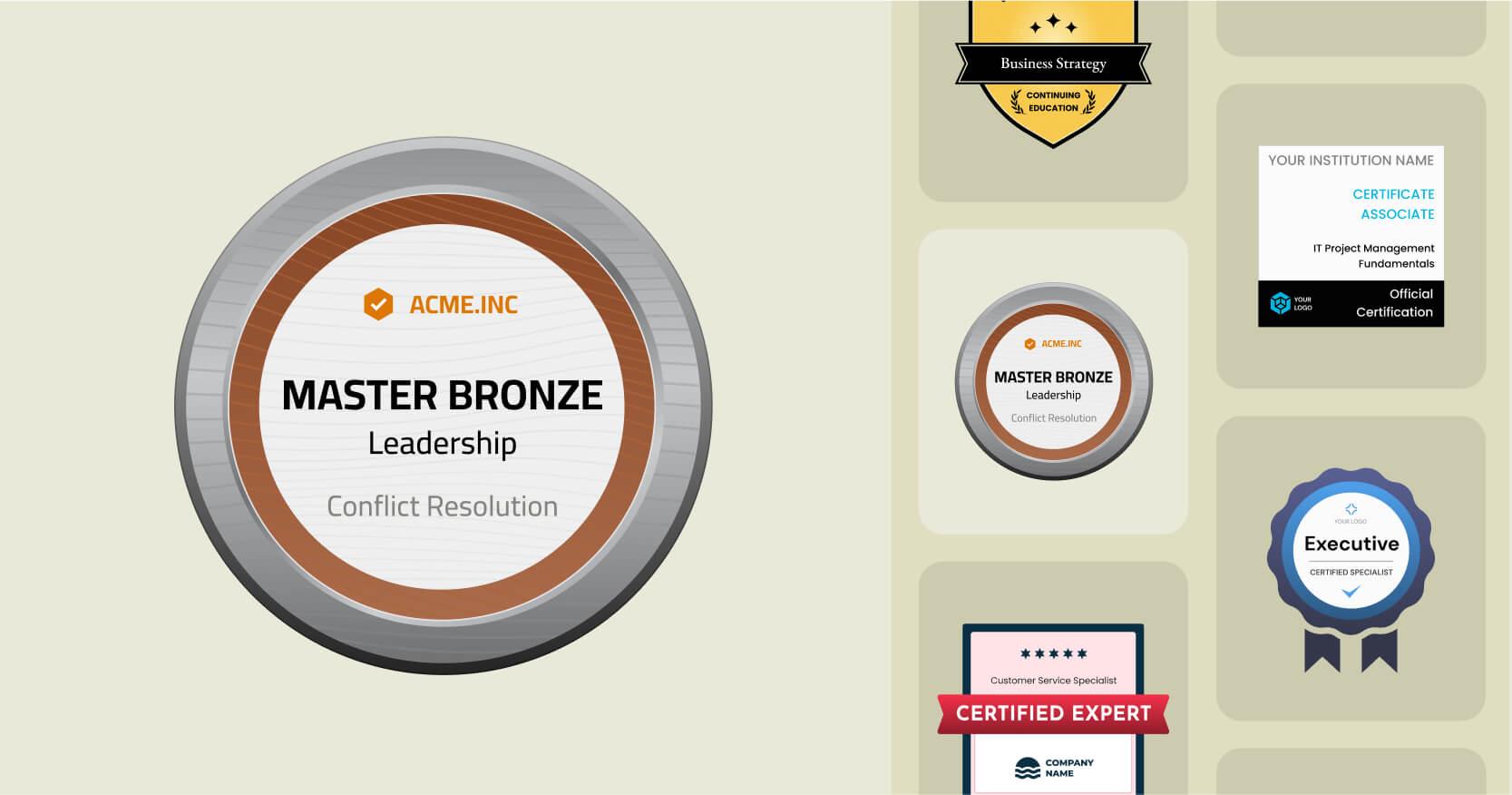
Digital badges are online representations of a learner’s or professional’s skill, accomplishment, or experience. Unlike standard certificates, digital badges are secure, verifiable, and easily shareable across the web. A badge typically contains metadata that describes what the recipient did to earn it, who issued it, and often links to evidence or further information about the achievement.
- Visual: Each badge has a unique graphic design.
- Verified: Issuers digitally sign badges to validate their authenticity.
- Portable: Badges can be shared on platforms like LinkedIn, personal websites, or digital CVs.
Common platforms facilitating digital badges include Credly, Badgr, and Open Badges (an open standard spearheaded by Mozilla Foundation).
How Digital Badges Recognise Skills and Competencies
Digital badges go far beyond simple participation awards. Each badge is tied to specific learning outcomes or competency frameworks, meaning that recipients must meet clear, measurable criteria. The process often involves:
- Learning or completing a task: Earning the badge involves mastering a defined skill, completing a course, or succeeding in a challenge.
- Assessment or evaluation: The awarding body evaluates the learner’s performance using objective standards.
- Credential issuance: The accredited issuer generates a digital badge packed with metadata—such as the date earned, issuer, and skills acquired.
For example,a digital badge in data analytics from a reputable university might indicate prosperous completion of a detailed project,mastery of specific tools (like R or Python),and achieving a qualifying score in practical assessments.
The Benefits of Digital Badges
The adoption of digital badges is skyrocketing due to their unique features and advantages for learners, educators, employees, and employers alike.
For Learners and Professionals
- Motivation and Engagement: Earners are motivated to upskill and document lifelong learning milestones.
- Greater Visibility: digital badges are easily shareable on social media and professional networks, increasing exposure.
- Verifiable Credentials: Each badge links to evidence, preventing falsification and boosting trust.
- Career Mobility: Portable credentials support transitions between industries, countries, or roles.
- Personal Branding: Your badge portfolio on platforms like LinkedIn acts as an eye-catching online resume.
For Organizations and Educational Institutions
- Skills Alignment: Organisations can design badges that match in-demand skills in their industry.
- Employee Recognition: Celebrate achievements, encourage development, and retain talent by recognising milestones.
- Marketing and Recruitment: Showcase your institution’s innovation in promoting digital credentialing.
- Standardisation and Analytics: Badges can provide data on learning engagement and skill gaps.
Fact: According to a study by IBM,digital badge programs increased course completion rates by up to 125% and improved learner retention.
Celebrating Achievements Online: The Power of shareability
One of the standout features of digital badges is their shareability. Unlike paper certificates that might collect dust in a drawer, digital badges can be:
- Embedded in email signatures
- Added to digital portfolios and personal websites
- Shared directly on social media platforms like LinkedIn, Twitter, Facebook, and even WhatsApp
- Integrated into job applications (via LinkedIn or digital resume)
This online visibility not only celebrates your achievements but signals your capabilities and continuous learning mindset to peers, potential employers, and collaborators globally.
Popular Use Cases for Digital Badges
Digital badges are already widely used across education, business, and industry certifications. Here are some real-world examples:
- Higher Education: Universities use digital badges for micro-credentials, project completions, and co-curricular activities.
- Professional Development: Companies like IBM and google issue badges for employees who complete in-house training or open courses.
- Industry Certifications: Many tech certifications (Amazon Web Services, Microsoft, Adobe) now provide digital badges as proof of expertise.
- K–12 Schools: Teachers reward students with badges for skills like digital literacy, teamwork, or STEM achievements.
- Nonprofits and Community: Badges are used to acknowledge volunteer work, leadership roles, or participation in social initiatives.
Case Study: IBM Digital Badges
IBM was an early adopter of digital badges for workforce development. By implementing a badge system for employees and learners, IBM:
- Increased learning engagement and course completion rates
- Accelerated the upskilling of its global staff
- Enabled employees to display their expertise on LinkedIn, helping with promotions and new opportunities
Their success demonstrates the real-world benefits of digital credentialing, both for organisations and individuals.
How to Start Earning and Displaying Digital Badges
Looking to earn your first digital badge? Here are some practical tips:
- Identify Your Skills Gap: decide what additional skills or competencies you want to develop.
- Research Providers: Look for credible issuers such as universities, professional associations, and industry leaders. Credly, Badgr, and Coursera are good places to start.
- Complete Requirements: Successfully finish the learning path, assessment, or project.
- Collect and Share: once awarded, share your badges across LinkedIn, personal blogs, or professional sites.
- Keep Learning: Build a portfolio of badges to demonstrate your commitment to lifelong learning.
Best Practices for Showcasing Digital Badges
- Update your LinkedIn Profile: Add badges to the “Licenses & Certifications” section for maximum visibility.
- Embed in Email Signatures: Highlight your moast relevant badge(s) to every correspondence.
- Create a Badge Portfolio: curate a digital portfolio showcasing your skills, learning journeys, and accomplishments.
- Link to Evidence: Ensure your badges link to verification pages or evidence of your work to establish credibility.
First-Hand Experience: What Earners Say
“After I completed my Python programming badge, I received several interview requests through LinkedIn.recruiters told me the badge made my skills stand out in search results.” — A recent graduate
“Our internal learning platform at work awards badges for everything from cybersecurity courses to project management. It’s motivating, and honestly, it makes learning feel more rewarding.” — IT professional
Frequently Asked Questions About Digital Badges
Are digital badges credible?
Yes! Provided they are issued by trusted organisations and backed by clear verification processes, digital badges are highly credible and increasingly accepted by employers and educators worldwide.
How do I verify a digital badge?
Most badges include a link to a verification page, where viewers can check the issuer, date, and the criteria met by the recipient.
Can digital badges replace diplomas or degrees?
They complement, rather then replace, formal qualifications—offering proof of practical skills and ongoing learning not always captured by traditional credentials.
Conclusion: The Future of Recognition is Digital
Digital badges are revolutionising how we recognise skills and celebrate achievements online. Whether you’re a student eager to showcase new knowledge, a professional seeking to highlight your expertise, or an organisation committed to developing your workforce, digital badges provide a flexible, clear, and globally recognised credentialing system.
Ready to enhance your profile and unlock exciting opportunities? Start exploring digital badge platforms today and begin building your portfolio of verified skills!
Keywords: digital badges, skills recognition, online achievements, digital credentials, professional development, verified credentials, digital learning, shareable achievements, badge portfolio