
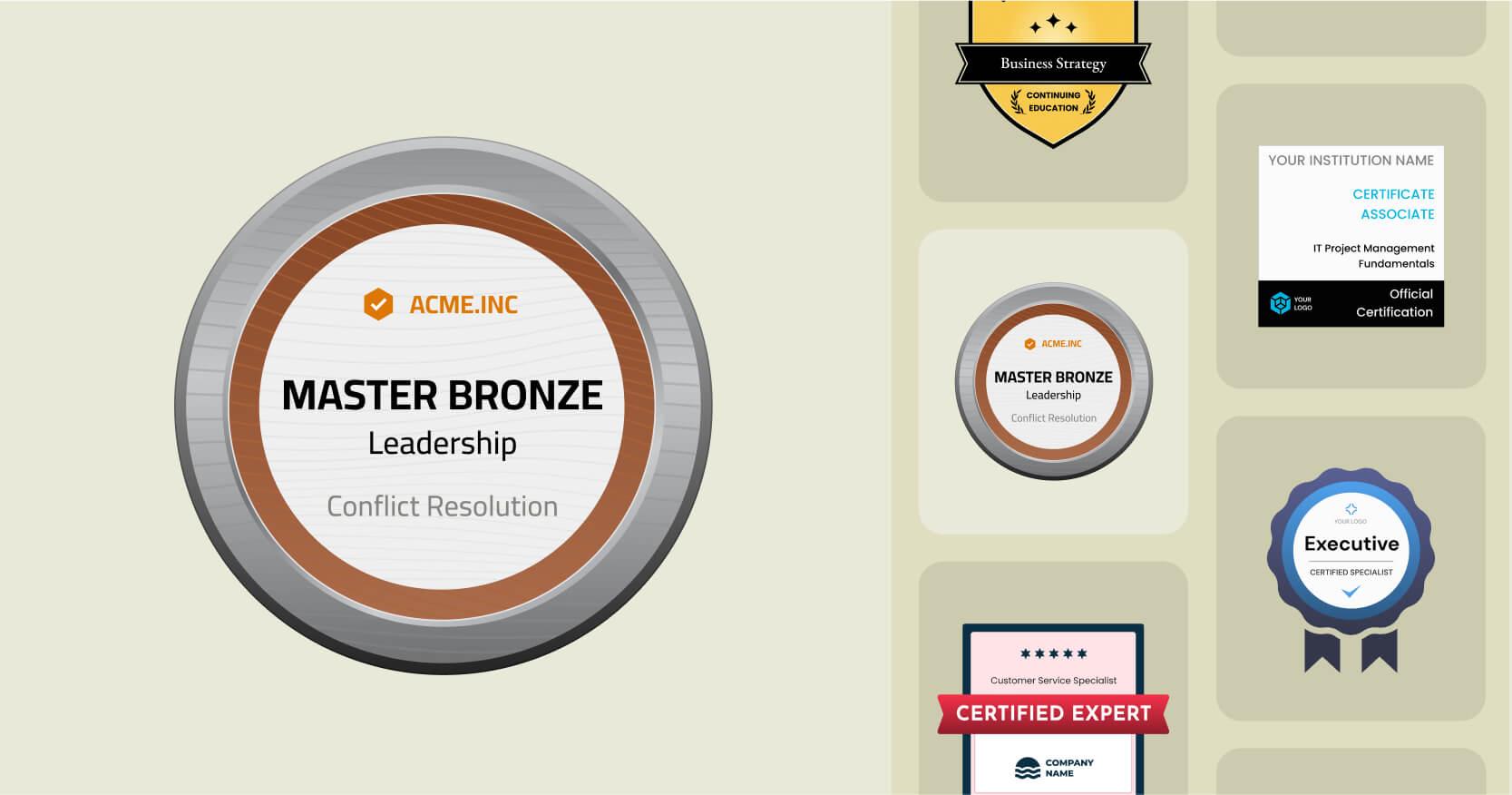
Digital Badges: How They Recognise Skills and Drive Achievement in the Modern World
In today’s fast-paced, technology-driven world, digital badges have emerged as a powerful tool for recognising skills and celebrating achievements. Whether you are an educator, employer, or lifelong learner, understanding the importance of digital badges can help empower personal growth, career advancement, and organisational success.In this comprehensive guide,we’ll explore how digital badges are reshaping the way we measure and acknowledge skills,provide practical implementations,and share insightful case studies to illustrate their far-reaching impact.
What Are Digital Badges?
Digital badges are online credentials that represent an individual’s skills, knowledge, or achievements. Unlike conventional certifications, digital badges are:
- verified and secure, using blockchain or badge issuing platforms
- Shareable on social media, email signatures, and professional platforms like LinkedIn
- Often embedded with rich metadata detailing how the skill was acquired and assessed
Essentially, digital badges act as portable, visual recognitions of specific competencies, motivating learners and workers to pursue continuous personal and professional progress.
How do Digital Badges Work?
Most digital badge systems operate through a well-defined process:
- Issuance: A credentialing body (such as a school, training provider, or employer) awards the badge after specific requirements are met.
- Verification: Each badge contains metadata verifying the issuer, the recipient, standards met, and the evidence or criteria for achievement.
- Display and Sharing: Earners can easily share their badges online, adding credibility to their digital resumes and professional profiles.
The Open Badges standard—originally developed by Mozilla—enables universal recognition and portability,fostering interoperability across multiple platforms.
Benefits of Digital Badges in the Modern World
The widespread adoption of digital badges brings numerous advantages for learners, educators, and organisations alike. Here’s how digital badges are driving achievement and skill recognition:
1.Recognising Diverse Skills and Achievements
- Captures hard and soft skills, including technical expertise, teamwork, leadership, and critical thinking
- Facilitates recognition of informal and non-traditional learning experiences
- Provides evidence of micro-credentials for specialised competencies
2. Enhanced Motivation and Engagement
- Gamifies learning pathways, encouraging goal-setting and incremental progress
- Fosters a sense of accomplishment and pride among learners and employees
- Drives lifelong learning by making achievement visible and rewarding
3. Streamlined Recruitment and Career Advancement
- Offers recruiters verifiable proof of candidate skills and competencies
- Supports skills-based hiring and promotions based on demonstrated ability, not just degrees
- Improves openness and speed in the selection process
4. Strengthening Organisational Learning and Development
- Aligns employee development with strategic goals
- Helps organisations identify skill gaps and tailor training programs
- Encourages peer-driven recognition and knowledge sharing
Practical Applications: Where Digital Badges Are Making a Difference
Digital badges are being leveraged across multiple industries and sectors to promote continual education and workforce development:
Education
- Schools and universities use digital badges to recognise extracurricular involvement, leadership activities, and specific course achievements.
- online learning platforms, such as Coursera and Udemy, award badges for mastering new skills and completing courses.
Corporate Training
- Companies employ digital badges to upskill employees, boost morale, and track progress within learning Management Systems (LMS).
- Manny tech giants, including IBM and Microsoft, use digital credentials to acknowledge certification and project-based expertise.
Association and Certification Programs
- Professional bodies use digital badges to offer stackable credentials, driving ongoing member engagement and professional development.
First-Hand Experience: Real Stories of Digital Badge Impact
“Earning a digital badge for my data analytics course not only boosted my confidence but also helped me land interviews with top companies. Sharing my badge on LinkedIn caught recruiters’ attention and made my skills stand out.”
– Priya S.,Data Analyst
“As a training manager,rolling out a digital badge system was a game-changer. Participation in our online learning programs soared, and team members finally felt their efforts were visible and valued.”
– Jonathan T., Corporate L&D Manager
Case Study: IBM’s Open Badge Program
IBM, a pioneer in digital credentialing, launched its Open Badge Program to address the need for continuous learning and skill validation. As its inception, IBM has:
- Issued over one million badges in areas like cloud computing, cybersecurity, and project management
- Reported increases in course completions and employee engagement
- Enhanced recruitment by providing HR with verified, skills-based evidence
IBM’s success story demonstrates the transformative potential of digital badges, both for individual careers and organisational capability.
Implementing Digital Badges: Tips and Best Practices
If you’re considering launching a digital badge initiative, keep these best practices in mind:
- Define transparent criteria: Clearly articulate what knowledge, skills, or achievements each badge represents.
- Use reputable issuing platforms: Leverage solutions like Credly, Badgr, or Accredible for secure, scalable badge management.
- Provide evidence and context: Ensure each badge links to supporting evidence,standards,and assessment methods.
- Promote badge sharing: Encourage earners to add badges to their digital resumes, LinkedIn, and other professional networks for maximum visibility.
- Integrate with existing systems: Connect badge programs with learning management systems (LMS) or HR software for streamlined administration.
- Gather feedback and measure impact: Regularly collect feedback from badge earners and stakeholders to refine your program and highlight success stories.
Overcoming Challenges with Digital Badge Adoption
While digital badges offer many advantages, implementation can come with challenges:
- Ensuring credibility and industry-wide acceptance
- Aligning badge criteria with real-world employability skills
- integrating various badge systems and platforms for consistency
- educating employers and stakeholders on badge value and interpretation
Despite these hurdles, many organisations are finding success by collaborating with industry partners, adopting open standards, and communicating value through powerful storytelling.
The Future of Digital Badges
as the global workforce embraces skills-based hiring and continuous education, digital badges will play an ever-increasing role. Expect to see:
- Deeper integration with artificial intelligence for employer-matching and skills analytics
- Greater use in governmental and public-sector upskilling initiatives
- broader recognition across employers, educational institutions, and non-traditional learning ecosystems
Digital badges are more than just symbols; they are dynamic instruments that empower achievement, foster transparency, and champion lifelong learning in a digital-first world.
Conclusion: Embrace the Power of Digital Badges
Whether you’re a student seeking to showcase your unique capabilities, an educator preparing learners for the future, or a business striving to cultivate top talent, digital badges can definitely help you recognise, validate, and communicate skills like never before. By adopting digital badges, you’re investing in a smarter, more flexible, and more rewarding way to prepare for tomorrow’s opportunities—today.
Explore the power of digital badges in your learning or talent development strategies, and join the movement that’s redefining achievement for the modern world.
Ready to harness the potential of digital badges in your organisation or educational institution? Start building skill recognition pathways now and unlock new possibilities for growth and success!