
Digital Badges: How They Recognise Skills and Drive Achievement
Digital badges have rapidly transformed the way we recognise and showcase skills in education, professional development, and beyond. In today’s competitive landscape, having tangible proof of competencies is more crucial than ever. Digital badges provide an innovative, accessible, and effective way to validate skills, drive personal achievement, and support lifelong learning.
What Are Digital Badges?
digital badges are verified, visual credentials that represent specific skills, accomplishments, or knowledge acquired by individuals. Unlike traditional certificates or diplomas, badges are digital and portable, allowing recipients to display them across social media platforms, professional networks, online portfolios, and resumes.
- Verifiable: Each digital badge carries metadata detailing the issuing organisation, criteria, date earned, and evidence of achievement.
- shareable: Badges can be easily integrated into linkedin profiles, CVs, and websites for instant visibility.
- Customisable: institutions can design badges tailored to specific skill sets or learning objectives.
The Importance of Skill Recognition in the Digital Age
as industries evolve, the demand for verified skills and micro-credentials has skyrocketed.Employers increasingly seek job candidates with demonstrable capabilities rather than just academic degrees. Digital badges bridge this gap by providing irrefutable proof of mastery, regardless of how or where the skills were obtained.
Why Skill Recognition Matters:
- Employability: Badge earners can stand out in crowded job markets.
- Openness: Employers receive detailed information about the competencies of potential team members.
- Lifelong Learning: Individuals are encouraged to continue gaining new skills beyond formal education.
How Digital Badges Drive Achievement
digital badges are much more than visual tokens of accomplishment. They play a pivotal role in motivation, engagement, and progression. Hear’s how:
- Goal Setting: Learners are inspired to complete tasks,reach milestones,or master new skills in pursuit of badges.
- Instant Feedback: Immediate recognition can boost morale and encourage continued effort.
- Personal Branding: Earners can curate digital portfolios, enhancing their online reputation and reach.
Micro-Credentials and Stackable Badges
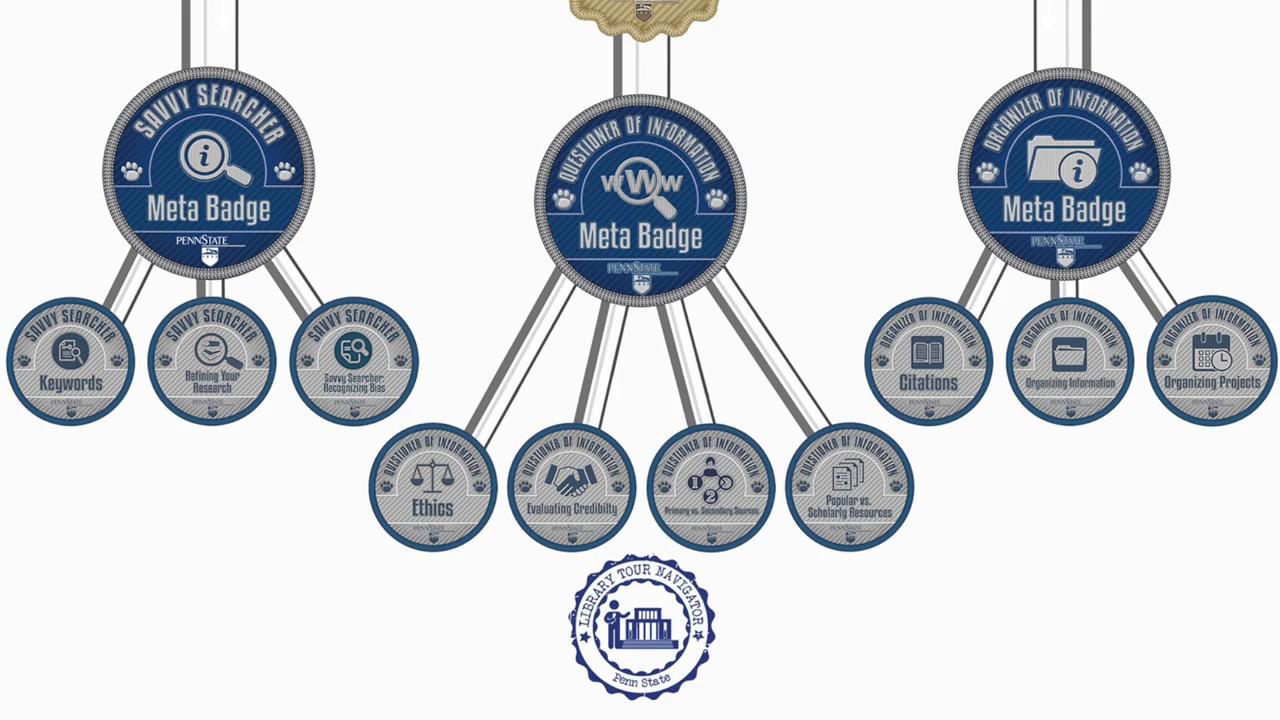
Digital badges are often part of a broader micro-credentialing system. Collecting multiple badges signals progression and can be stacked to represent higher levels of expertise or expanded skill sets. This approach is increasingly favoured by universities, vocational schools, and corporate training programmes.
Benefits of Digital Badges for Learners, Educators, and Organisations
The adoption of digital badges comes with a host of advantages for all stakeholders:
for Learners
- Greater Motivation: Badges serve as rewards and encourage proactive learning.
- Adaptability: Learners can pursue skills relevant to their unique goals and career paths.
- Portability: Carry your credentials wherever you go, accessible anytime and anywhere.
For educators
- Engagement: Innovative badge systems increase student participation.
- Assessment: Badges offer a clear, easily tracked method for evaluating specific learning milestones.
- Recognition: Educators can spotlight both academic achievement and soft skills acquired.
For Organisations and Employers
- Talent Identification: Discover and nurture in-house skills, facilitating targeted upskilling.
- Streamlined Hiring: Reliable, verified badges simplify recruitment processes.
- Branding: Organisations can promote cutting-edge training and development solutions, attracting top talent.
Digital Badges in Action: Case studies
LinkedIn Learning and Industry-Recognised Credentials
LinkedIn Learning has partnered with leading companies like Microsoft and Google to issue digital badges for completed courses and certifications. These are instantly sharable on social media profiles, helping professionals visibly demonstrate new skills such as project management, cloud computing, and coding.
IBM Open Badges Program
IBM’s global badge program is one of the largest, offering recognitions for technical achievements, teamwork, and leadership.Learners can showcase badges on their professional profiles and internal promotion applications, directly influencing career growth and employee engagement.
Schools and Universities
Higher education is rapidly adopting digital badges. Arizona State University, as an example, offers badge-based micro-credentials for both students and educators, improving employability and encouraging lifelong learning.
Practical Tips: Getting started with Digital Badges
For Learners
- Choose Reputable Providers: Enrol in programs offered by established organisations or academic institutions.
- Showcase Your Badges: Upload badges to LinkedIn, digital portfolios, or your CV for maximum visibility.
- Learn Continuously: Pursue stackable badges to expand and diversify your credentials.
For Employers and Educators
- Develop a Badging Framework: Outline clear criteria and evidence required for each badge.
- Leverage Technology: Utilise platforms like Badgr, Credly, or Learning Management Systems (LMS).
- Encourage Recognition: Make badge earning visible and celebrate achievements across teams or classrooms.
First-Hand Experience: voices from Badge Earners
“I added my coding badge to my LinkedIn profile, and within weeks, I received interview opportunities in tech firms. employers loved being able to quickly verify my skills.” – Emily, Software Developer
“as an educator, digital badges have totally revolutionised my classroom. Students are engaged and excited by the prospect to earn and showcase their achievements.” – James, High School Teacher
The Future of Digital Credentials
The digital badge ecosystem is expanding swiftly, driven by advances in blockchain technology and increased acceptance across academia, industry, and government. Open Badge standards and interoperability are shaping data security and transparency, paving the way for a truly global “skills passport.” As the value placed on lifelong learning and micro-credentials rises, digital badges will keep playing a vital role in skill recognition and verification.
Conclusion: The Power of Digital Badges
Digital badges are reshaping how individuals and organisations validate,communicate,and celebrate skills and achievements. Whether you’re a learner looking to stand out, an educator innovating the classroom experience, or an employer searching for top talent, embracing digital badges can open doors to new opportunities. By recognising skills and driving achievement, digital badges promote a culture of continuous enhancement, empowering everyone to thrive in a rapidly changing world.