
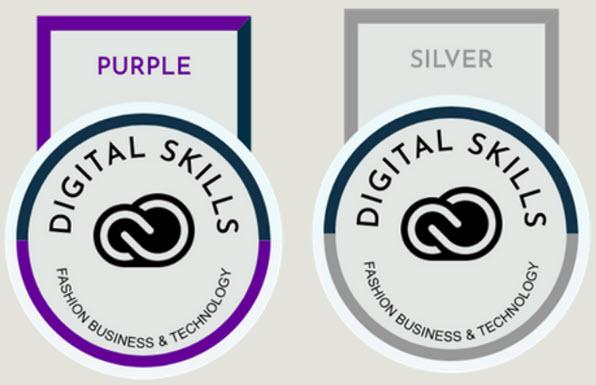
Digital Badges: How They Recognise Skills and Prove Achievements in the Modern World
In today’s fast-paced digital landscape, digital badges have emerged as a dynamic tool for recognising skills and validating achievements. From the classroom to the workplace, these verifiable, visual credentials are revolutionizing how we showcase expertise and measure progress. Whether you are a lifelong learner, a job seeker, or an association looking to motivate your team, digital badges offer a modern solution to traditional certification and recognition systems. in this article, we explore what digital badges are, how they work, their core benefits, and practical steps to leverage them for personal and professional growth.
What are digital Badges?
A digital badge is an online representation of a skill, achievement, or certification earned by an individual. unlike paper certificates, digital badges are interactive images embedded with metadata; this includes information such as:
- Issuer: The organization or institution awarding the badge
- Criteria: What was required to earn the badge
- Date: When it was issued
- Evidence: Links to work, projects, or assessments completed
- Verification: How others can independently verify the badge
These badges can be shared across social media, embedded in digital resumes, or showcased on platforms like LinkedIn, making the recognition of skills both visible and portable.
How Digital Badges Recognise Skills and Prove Achievements
Digital badges are more than just colorful icons—they are an evidence-based system designed to recognize and authenticate skills, competencies, and accomplishments. Here’s how they work:
- Verification thru Metadata: Each digital badge contains metadata that provides detailed information about the accomplishment and the awarding process. This allows anyone viewing the badge to verify its legitimacy and the context of the achievement.
- Skill Mapping and Competency: Badges are frequently enough aligned with industry standards, frameworks, or specific learning outcomes, offering a clear indication of the skills mastered.
- Portability: Digital badges can be stored in digital wallets, career portfolios, and profiles, allowing seamless sharing across different platforms and audiences.
- Transparency & Trust: Employers, educators, and peers can see the exact criteria met, which builds trust in the individual’s abilities and simplifies the validation process.
Benefits of Digital Badges in the Modern World
Adopting digital badges brings a multitude of advantages for individuals,educators,employers,and learning institutions. here’s why digital badges are gaining traction globally:
- Increased Motivation and Engagement: Learners and employees are more likely to participate and excel when their achievements are recognized immediately and visibly.
- Personalized Learning: Digital badges enable tailored learning journeys, rewarding specific skills rather than general participation or attendance.
- Enhanced Employability: Companies increasingly recognize digital badges as trusted signals of professional skills,technical knowledge,and soft skills such as collaboration and critical thinking.
- Lifelong Learning: With digital badges, learners can continuously build and showcase their evolving skillsets, staying relevant in a rapidly changing job market.
- Reduced Fraud: The verifiable nature of badges helps prevent the falsification of achievements and credentials.
- Easy Sharing and Accessibility: Digital badges can be instantly shared and accessed anywhere, removing geographic or bureaucratic barriers.
Digital Badges in Action: Real-World Case Studies
To understand the true value of digital badges, let’s explore how organizations and individuals use them to make lasting impacts:
IBM’s Digital Badge Program: IBM has issued millions of digital badges for completing technical training in areas like AI, cybersecurity, and cloud computing. Their badges are designed to help both employees and customers demonstrate up-to-date, job-ready skills.
Canvas and Moodle Integration: Major educational platforms integrate digital badges to reward student progress, encourage engagement, and track micro-credentials within larger learning programs.
Mozilla Open Badges Initiative: Mozilla’s open-source standard set the groundwork for the entire badge ecosystem, allowing badges to be issued and accepted by countless partners in education and industry.
Professional Certification Boards: Many industry certification boards,such as CompTIA and PMI,now provide digital badges for certifications,simplifying verification procedures for employers and recruiters.
Personal Experience: Leveraging Digital Badges to Boost Career Growth
Consider Anna, a digital marketer who upskilled by completing several online courses. By earning and displaying digital badges on her LinkedIn profile, she was able to:
- Attract attention from recruiters looking for specific digital marketing skills
- Demonstrate her commitment to continuous learning and professional advancement
- Negotiate a higher starting salary by providing verifiable credentials beyond her university degree
- Build a reputation as an industry leader by collecting badges from trusted vendors like Google and HubSpot
Anna’s story is just one example of how digital badges can open doors and validate expertise in today’s competitive job market.
Practical Tips: How to Make the Most of Digital Badges
Ready to start collecting and using digital badges? Follow these practical tips to maximize their impact:
- Choose Recognized Issuers: Enroll in programs backed by reputable organizations or industry leaders to ensure your badges carry weight.
- Highlight Badges on Your Profiles: Add digital badges to your LinkedIn, professional website, digital CV, and email signature to increase visibility.
- Link Badges with Evidence: Enhance your credibility by including work samples, completed projects, or testimonials alongside your badges.
- Stay Current: Pursue badges in emerging technologies or trending topics in your industry to showcase continuous professional development.
- Encourage Employers and schools to Issue Badges: Advocate for the adoption of digital badges within your organization or learning institution to foster a culture of recognition.
Digital Badges: The Future of Skills Recognition
The conversation around digital skills recognition will only grow as the demand for transparency and agility in education and employment intensifies. Micro-credentials—like digital badges—enable everyone to track and present a detailed story of their abilities and achievements. They help bridge gaps between traditional degrees and the real-world skills needed in today’s workforce.
Conclusion
Digital badges represent the next evolution in recognising, validating, and showcasing skills and achievements. They combine credibility, convenience, and connectivity, making skill verification accessible to everyone, everywhere. As careers and learning paths become more personalized and dynamic, digital badges offer a clear and efficient method to prove your worth in a crowded digital world. Whether you’re an ambitious student, a lifelong learner, or an innovator at the forefront of talent development, embracing digital badges is a step towards a more empowered and recognized future.
Ready to start collecting digital badges? Explore online courses, certifications, and training programs that issue them—and unlock new possibilities for your career or educational journey today!