
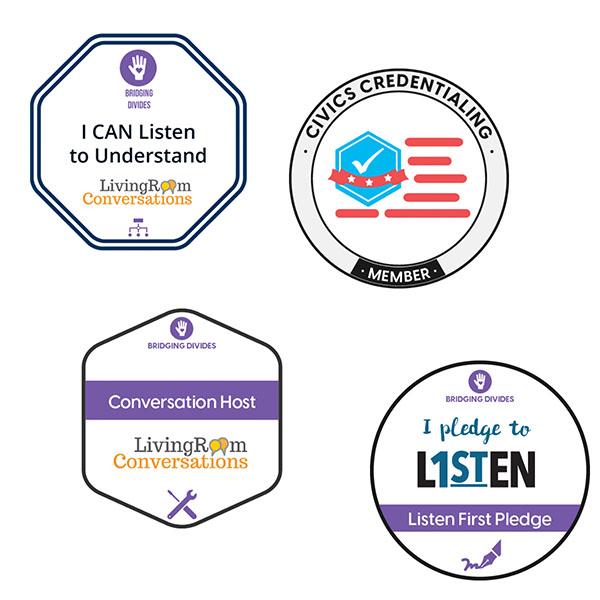
Digital Badges: How They Recognise Skills and Showcase Achievements Online
In today’s fast-paced digital world, digital badges have emerged as a powerful tool for recognising skills and showcasing achievements online. Whether you’re a student, a professional, or an organisation looking to celebrate accomplishments, digital badges help bridge the gap between traditional qualifications and the dynamic demands of the modern workforce. let’s explore what digital badges are, how they work, and why they are transforming the landscape of online learning and professional development.
What Are Digital Badges?
Digital badges are virtual representations of skills, achievements, or knowledge acquired through various online and offline learning experiences. Unlike traditional certificates, these badges are easily shareable, verifiable, and display rich metadata.
- Secure: Embedded with metadata detailing the issuer,skill,and earning criteria.
- Shareable: Display on social media profiles, websites, LinkedIn, and digital resumes.
- Verifiable: Employers and peers can confirm authenticity with a single click.
Digital badges can represent anything from completing an online course to mastering a specific technical skill or participating in a special project.
How Do Digital Badges Work?
The process of earning and displaying a digital badge usually involves several key steps:
- Achievement: The learner completes a course, training, or assessment that meets predetermined criteria.
- Issuance: The institution or platform awards a digital badge, embedding details like skill description, date, and issuing body.
- Display & Sharing: Recipients can display badges on professional profiles, resumes, email signatures, or digital portfolios.
- Verification: Badges contain links to verify the credential’s authenticity and details.
This streamlined, obvious process makes digital credentials more trustworthy and easier to manage than their paper-based counterparts.
Benefits of Digital Badges
The adoption of digital badges offers numerous advantages for learners, educators, and employers alike. Here are some of the top benefits:
- Instant Recognition: Earners gain immediate, portable evidence of their skills and accomplishments.
- Enhanced Employability: Badges clearly display competencies, making it easier for employers to identify relevant talent.
- Lifelong Learning: Encourage continual professional development by motivating individuals to pursue new skills and knowledge.
- Customisation: Organisations can design their own badge criteria, aligning with industry standards or specific business goals.
- Verifiable Trust: Embedded metadata makes badges tamper-proof and easy to verify.
- Engagement: Gamified elements increase learner motivation and participation.
- Portable and Shareable: Showcase skills across multiple platforms, from LinkedIn to personal websites.
integrating digital badges into education and training enhances credibility and offers a globally recognisable way to validate skills online.
Practical Tips for Implementing Digital Badges
Whether you’re an educational institution, business, or training provider, getting started with digital badges involves several key considerations:
- Set Clear Criteria: Define what skills or achievements each badge will represent and establish clear pathways to earning them.
- Choose the Right Platform: Opt for established badge issuers like Credly, Badgr, or Open Badge platforms compatible with your learning management system.
- Emphasise Metadata: Ensure each badge contains detailed metadata, such as issuing organisation, verified criteria, acquisition date, and renewal facts.
- Promote social Sharing: Encourage earners to showcase their badges on LinkedIn, e-portfolios, and social networks.
- Keep Learners Engaged: Combine badges with micro-credentials, gamification, and regular feedback to motivate continued learning.
Thoughtful planning and clear interaction are key to maximising the impact of a digital badge system.
Case Studies: Digital Badges in Action
The practical impact of digital badges extends across industries and educational settings. Here are two real-world examples:
1.IBM’s Digital Badge Program
IBM launched one of the world’s largest digital badge initiatives, awarding millions of badges to employees and learners worldwide. participants can earn badges for completing training in areas such as cybersecurity, cloud computing, and AI development.
- Outcome: Increased employee engagement and upskilling, with badges used as verifiable credentials in job applications and promotions.
2. Mozilla Open Badges for Educators
The Mozilla Foundation pioneered the Open Badges standard, enabling educators to issue verifiable credentials for skills like coding, digital citizenship, and teamwork.
- Outcome: Teachers use badges to recognize informal learning, helping students build portfolios that showcase a wider range of talents than traditional grades allow.
these examples illustrate how digital badges enhance both employability and lifelong learning.
First-Hand Experience: Earning My First Digital Badge
As someone constantly seeking to upskill, I found my first encounter with digital badges as both exciting and motivating.Enrolling in an online marketing course, I was thrilled to receive an email upon completion congratulating me and offering a digital badge to display on my LinkedIn profile.
- Motivation: The prospect of earning recognition kept me engaged throughout the course.
- Showcasing: After adding the badge to my resume, I noticed increased views and curiosity from recruiters.
- verification: Employers could verify the badge’s authenticity instantly, giving me an edge in job applications.
Digital badges not only validated my learning but made it easier to tell my professional story online.
Frequently Asked Questions About Digital Badges
- are digital badges credible?
-
Absolutely. Reputable badges come with embedded metadata, ensuring they are authentic, verifiable, and issued by recognised organisations.
- How do employers view digital badges?
-
Increasingly, employers value digital badges as clear evidence of up-to-date, job-relevant skills, especially in rapidly evolving industries.
- Can I put digital badges on LinkedIn?
-
Yes! Digital badges can be easily added to the “Licenses & Certifications” section of your LinkedIn profile, flaunting your skills to potential employers.
Conclusion: The Future of Skills Recognition Is Digital
Digital badges have revolutionised how skills and achievements are recognised and shared online. They provide a flexible, transparent, and portable way to validate and showcase your unique talents in the digital era. Whether you’re a learner eager to prove your capabilities or an organisation looking to celebrate and motivate growth, incorporating digital badges into your credentialing strategy is a smart move toward future-proofing skills and career development.
Ready to take your achievements online? Explore digital badges today and let your skills shine in the crowded digital landscape!