
Digital Badges: How they Recognise Skills and Unlock Achievement Opportunities
Discover how digital badges revolutionise skills recognition and unlock new achievement opportunities in education and the workplace.Learn about their benefits, use-cases, and practical tips for maximising your potential.
Introduction to Digital Badges
In today’s digital landscape, digital badges are emerging as a powerful tool for recognising skills and unlocking new achievement opportunities for learners and professionals alike. Unlike customary credentials such as diplomas and certificates,digital badges offer a dynamic,verifiable way to showcase your skills and competencies online. They are rapidly becoming an essential component in both the education and employment sectors, bridging the gap between learning and professional success.
What Are Digital Badges?
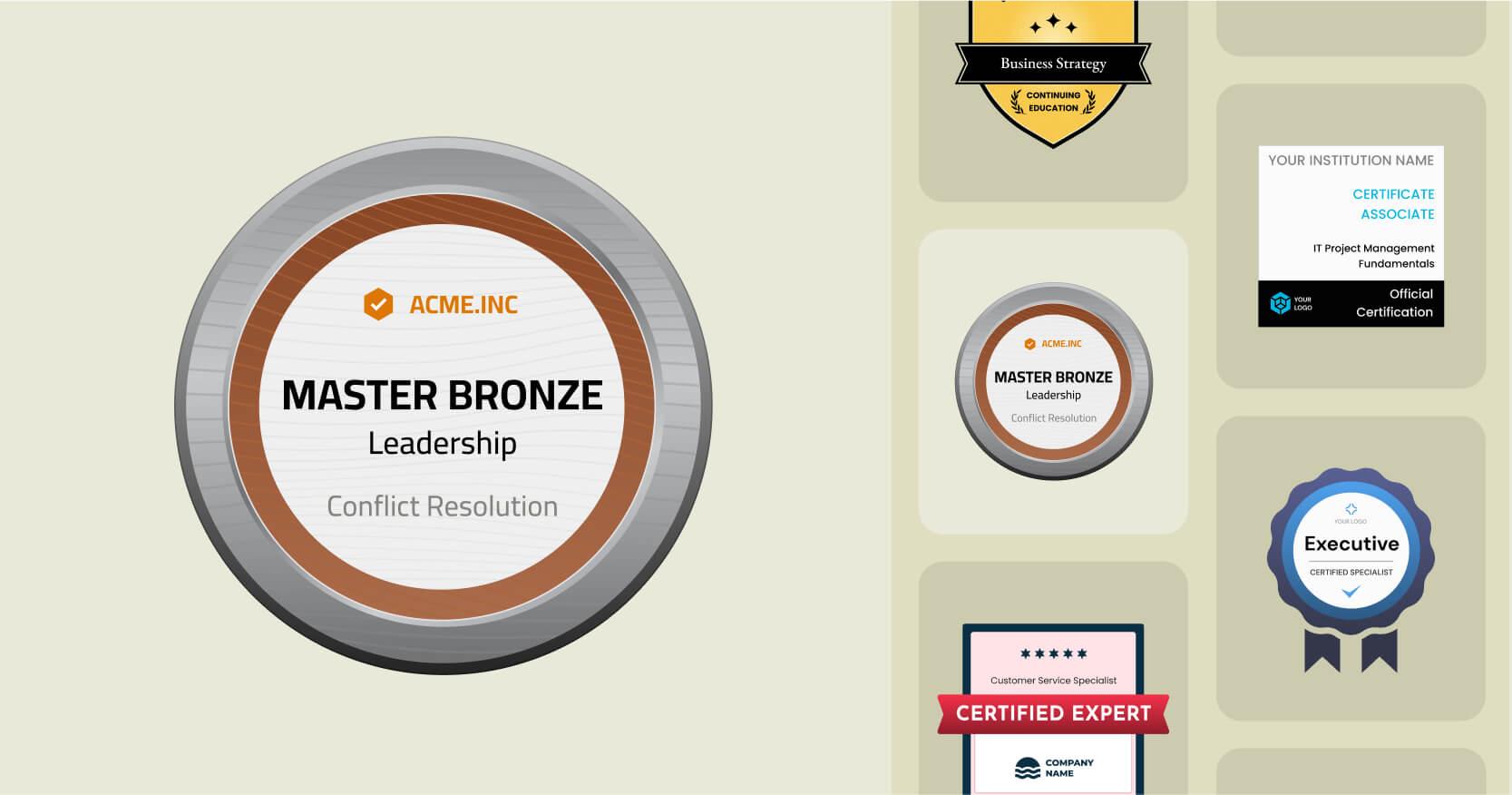
Digital badges are visual, online representations of a skill, achievement, or experience. Each badge contains metadata describing what the badge represents, how it was earned, and the issuing organisation. Digital badges are easily shareable on social media platforms, professional profiles, and digital CVs, making achievements visible to peers, employers, and educational institutions.
- Visual Proof: Badges include icons or images that symbolise an achievement.
- Metadata: Details about the issuing authority,criteria for earning the badge,and validation links.
- Shareability: Badges can be instantly added to LinkedIn profiles, personal websites, or resumes.
How digital Badges Recognise Skills
Digital badges represent verified achievements and specific competencies acquired through coursework, training, or real-world experience. They often complement or supplement traditional credentials, providing a more granular view of a person’s skills.Here’s how:
- Skill Validation: Each badge is awarded based on specific criteria,such as completing a course,passing an assessment,or demonstrating proficiency.
- Openness: The badge’s metadata offers transparent evidence of what was required to earn it, reducing ambiguity for employers or educators assessing candidates.
- Micro-credentials: Badges recognise smaller units of achievement than diplomas,allowing learners to showcase progress in real-time.
- Stackability: Multiple badges can be collected to demonstrate mastery in a subject area or industry pathway.
Unlocking Achievement Opportunities
The real power of digital badges lies in how they unlock achievement opportunities:
For Learners
- Motivation: Badges provide motivation to complete learning tasks and pursue continuous progress.
- Portability: Achievements travel with the learner, across schools, workplaces, and countries.
- Personal Branding: Badges enhance online portfolios, increasing visibility to potential employers or academic programs.
For Educators
- Custom Credentialing: Educators can design badges for specific skills, modules, or extracurricular achievements.
- Learning Analytics: Badges provide data on learner progress, engagement, and skill gaps.
For Employers
- Targeted Recruitment: Badges offer detailed insights into the specific skills candidates possess.
- upskilling Incentives: Organisations can use badges to incentivise ongoing professional development.
- Trust & Verification: digital badges are verifiable at the source, reducing the risk of credential fraud.
Benefits of Digital Badges
Why are digital badges gaining traction so quickly? Here are some of the key benefits:
- Enhanced Employability: Stand out in a competitive job market by displaying validated, in-demand skills on your CV and online profiles.
- Accessible and Inclusive: Digital badges recognise learning from non-traditional and informal sources, increasing access to opportunities.
- Real-Time Updates: Unlike degrees, badges can reflect real-time progress and skill acquisition.
- Cost-Effective: Many badges can be earned from free or low-cost online courses, making them an affordable credentialing option.
- Motivation and Engagement: Gamified badges encourage learners and employees to set goals and strive for excellence.
Case Studies: Real-World Impact of Digital Badges
Digital badges are already transforming learning and career pathways worldwide.Consider these real-world examples:
-
IBM’s Open Badges:
IBM was one of the first technology companies to introduce a global digital badge system. By offering badges for high-demand tech skills like cybersecurity and AI, IBM has equipped thousands of learners with verifiable credentials, increasing their employability and career advancement opportunities.
-
K-12 and Higher Education:
Many schools and universities now offer digital badges for skills such as digital literacy, teamwork, and leadership, which may not appear on a traditional transcript but are highly valued by employers.
-
Professional Associations:
Organisations like the Project Management Institute (PMI) offer badges for Continuing Professional Education (CPE), enabling professionals to maintain certifications and showcase their commitment to learning.
Practical Tips: Earning and Using Digital Badges
If you’re ready to start leveraging the power of digital badges, consider these practical tips:
For Individuals
- choose Recognised Platforms: Use reputable badge issuers like Credly, Acclaim, or Open Badges to ensure your badge is credible and widely accepted.
- Curate Your badge Portfolio: Select badges relevant to your career path and display them prominently where employers or peers can view them.
- Keep Metadata Up-to-Date: Ensure that badges link to detailed facts about the achievement and issuing authority.
- Network and Share: Share your badges on LinkedIn, Twitter, or within digital portfolios to maximise their reach and impact.
For Organisations
- Integrate Badges with Learning Management Systems (LMS): Make earning badges a seamless part of your training or educational programs.
- Align Badges with Industry Needs: Work with employers to ensure your badges represent in-demand skills and competencies.
- Promote Badge Awareness: Educate learners, staff, and stakeholders on the value and uses of digital badges.
Best Practices for Maximising the Value of Digital Badges
To fully realize the benefits of digital badges, follow these best practices:
- Focus on Quality Over Quantity: Secure badges that are meaningful and in-demand, rather than collecting for the sake of numbers.
- use Descriptive Badge Titles and Descriptions: Clear, detailed metadata helps employers and peers understand the value of your achievements.
- Update Your Skill Portfolio Regularly: As you learn and grow, refresh your badge portfolio to keep it current and compelling.
- Leverage Endorsements: Where possible, obtain endorsements or testimonials for your badges from respected industry leaders.
Conclusion: The Future of Digital Badges
Digital badges are reshaping how we recognise skills and unlock achievement opportunities in our connected, digital-first world. By bridging the gap between learning and employability, these innovative credentials empower learners, educators, and employers to access, validate, and share in-demand skills like never before.by embracing best practices and leveraging the full potential of digital badges, you can showcase your strengths, stand out in the workforce, and fuel your lifelong learning journey.
Stay ahead in your field by adopting digital badges and transforming the way you build and present your achievements—one badge at a time.