
Digital Badges: How They Recognise Skills and Validate Achievements in the Modern World
In today’s rapidly evolving digital landscape, the ways we recognise and validate learning and achievements are transforming. Digital badges have emerged as an innovative, flexible, and powerful credentialing tool, allowing both individuals and organisations too highlight skills, accomplishments, and competencies earned outside of traditional academic pathways. Whether you’re an educator, employer, or lifelong learner, understanding how digital badges work and their role in modern skills recognition is crucial for success in the 21st century.
What Are Digital Badges?
A digital badge is an online,verifiable representation of a skill,accomplishment,or credential. Unlike traditional certificates or paper awards, digital badges are embedded with metadata that provides details about the achievement, such as the issuer, criteria, and evidence of mastery. Recipients can display their badges on professional platforms, personal websites, or digital resumes, granting their audience instant access to a validated record of their achievements.
- Verifiable: Digital badges include metadata verifying the issuer and the learner’s achievement.
- Shareable: Badges can be displayed across websites, LinkedIn, e-portfolios, and email signatures.
- Portable: Owners control where and how badges are presented, making them highly portable.
How Do Digital Badges Recognise Skills and Validate Achievements?
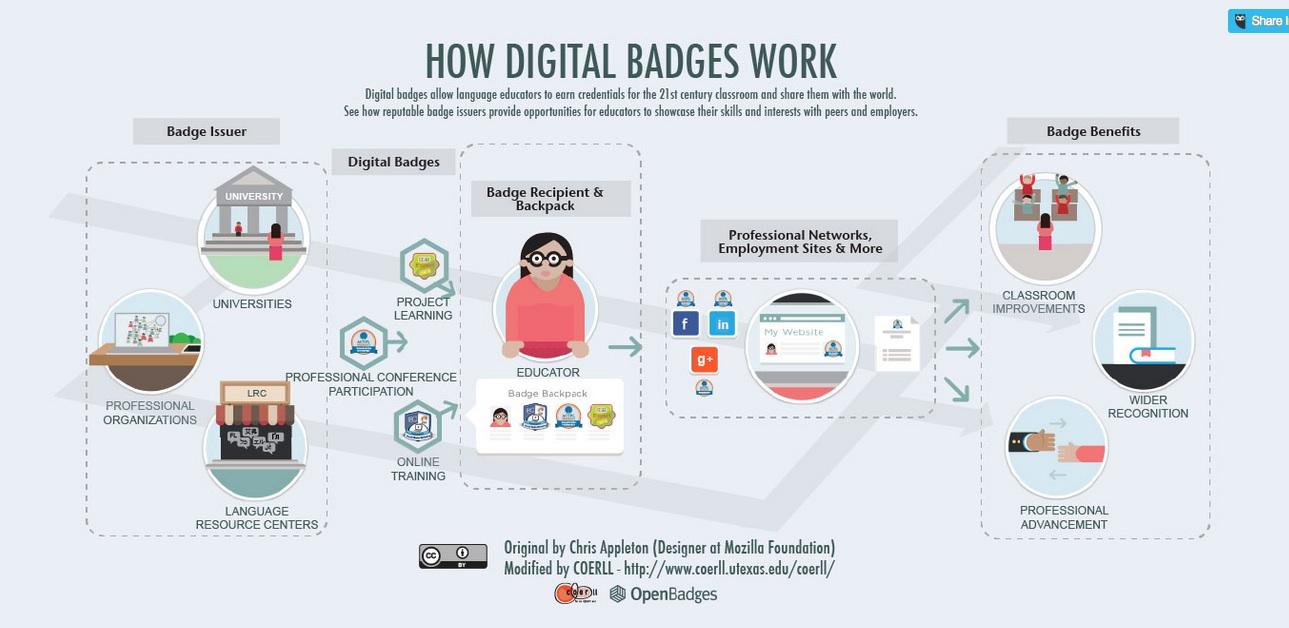
Digital badges are designed to recognize a wide range of competencies—from technical skills and soft skills to workplace achievements and extracurricular participation. The process typically involves:
- An individual completes a course, project, or assessment that has predefined standards.
- The issuing organisation assesses the learner based on those standards.
- A digital badge is issued, containing metadata about the accomplishment—criteria, issuer, evidence, and date.
- The badge can then be shared,independently verified,and accepted by educators,employers,or peers.
Open Badges,a widely-used standard developed by the Mozilla Foundation,ensures interoperability between different platforms,enabling badges to be issued,collected,and shared across multiple systems and contexts.
benefits of Digital Badges in the Modern World
As non-traditional learning and micro-credentials become more prevalent, digital badges offer a multitude of benefits for learners, educators, and employers alike:
- Enhanced Visibility: Showcase skills and accomplishments succinctly on digital platforms.
- Trust and Credibility: Metadata ensures badges are credible and can be verified by anyone.
- Motivation and Engagement: Badges incentivise learners to upskill and pursue continuous improvement.
- Personalised Learning Pathways: Earners can curate their own portfolios based on individual goals.
- Workforce Readiness: Employers can instantly validate candidate skills beyond traditional transcripts.
- Global Acceptance: Digital badges cross institutional and geographical boundaries, opening a world of prospect.
Digital Badges in Education and the Workplace
Education Sector
Schools, colleges, and universities now integrate digital badges into their curricula to recognize outcomes such as project completion, leadership, digital literacy, and participation in extracurricular activities.
- Authenticity: each badge is linked to clear evidence or projects completed by the student.
- Customisation: Institutions can design badges for particular competencies or learning milestones.
- Alternative Credentials: Learners gain recognition for non-traditional achievements like volunteering, teamwork, and online learning.
Professional Environments
Companies and professional bodies award digital badges for ongoing training, certifications, or workplace accomplishments. examples include:
- Technical certifications (e.g., cloud computing, coding skills)
- professional development (e.g., leadership, project management)
- Compliance training (e.g., health and safety, cybersecurity awareness)
Employers benefit by being able to quickly assess a potential employee’s capabilities and ongoing commitment to learning, making digital badges a key part of modern recruitment and retention strategies.
Real-World Case Studies: Digital Badges in Action
IBM’s Digital Badges Program
since 2015, IBM has awarded over 1 million digital badges to employees and external learners, recognising skills in topics such as data science, cybersecurity, and artificial intelligence. These badges are recognised by industry partners and accepted on job platforms like Credly and LinkedIn, giving earners a competitive advantage in the tech job market.
Deakin University’s Credentialing Initiative
In Australia, deakin University issues digital credentials to students and alumni who demonstrate key employability skills. These badges are linked to evidence and mapped to frameworks such as the Australian Qualifications Framework, ensuring that both students and employers understand the value behind each badge earned.
Mozilla Open Badges Standard
Many global initiatives, such as youth programs and community organisations, adopt the Mozilla Open Badges standard, allowing achievements unlocked in informal settings (volunteering, hackathons, online courses) to be recognised universally.
Showcasing Your Digital Badges: practical Tips
- Add badges to LinkedIn: Display them under ‘Licenses & Certifications’ for maximum professional visibility.
- Include badges in your CV or e-portfolio: many digital badge platforms offer embeddable links or printable URLs with verification metadata.
- Share badges on personal websites: Badges can be easily embedded with official icons and clickable verification links.
- Use badge platforms: Platforms like Credly, Badgr,and Mozilla Open Badges let users manage, display, and share their badges across the web.
remember to regularly update your badge collection and highlight the most relevant badges for the opportunities or roles you are pursuing.
Future of Digital Badges: Trends and Predictions
As digital conversion accelerates, the use of digital badges and micro-credentials will only grow. Key emerging trends include:
- integration with AI & Blockchain: Enhancing the validation and security of digital credentials.
- Stackable Credentials: Badges that can be combined to build towards larger qualifications or degrees.
- Greater Industry Adoption: More employers and professional bodies supporting digital skills recognition.
- Lifelong Learning Portfolios: Individuals curating diverse badges as proof of career-long development.
The future of digital badges promises increased versatility and recognition for learners worldwide, supporting a truly dynamic and inclusive ecosystem for skills validation.
Conclusion: Embracing Digital Badges for a Skills-Driven Future
Digital badges have revolutionised the way we acknowledge, validate, and present our skills in the digital age. By offering transparent, portable, and trusted credentials, digital badges empower learners, educators, and employers to bridge the gap between education and employment. As the global workplace continues to evolve, adopting digital badges is not just a trend—it’s a strategic necessity for anyone looking to stay competitive and recognised in a skills-driven world.
Start earning,issuing,and showcasing your digital badges today,and be a part of the future where every achievement matters and is instantly verifiable.