
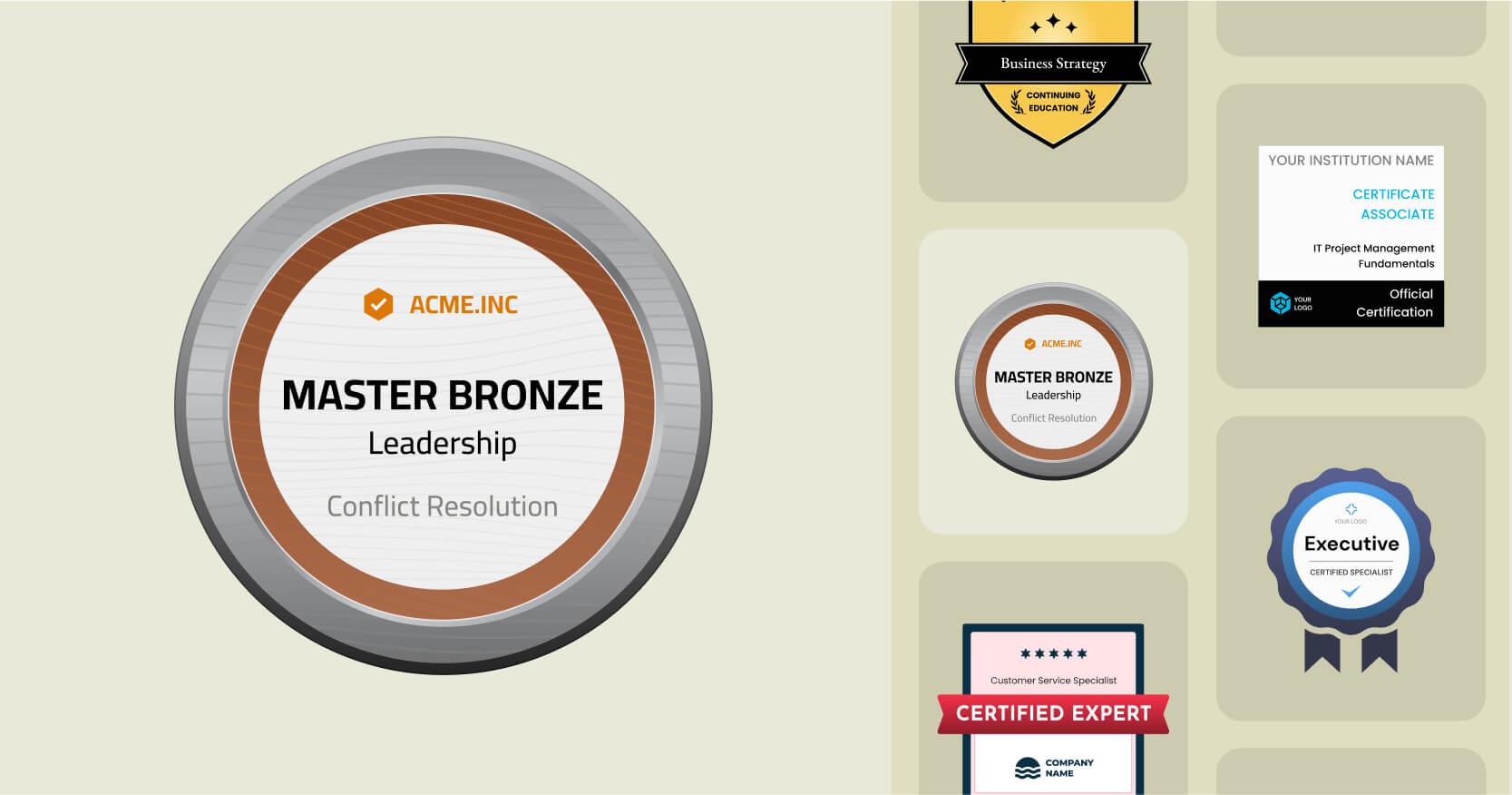
Digital Badges: How They Recognize and Showcase Skills & Achievements
In today’s fast-paced digital world, conventional certificates and paper-based credentials are being rapidly replaced by digital badges.These dynamic, verifiable icons are more than just online trophies—they represent real, validated skills and achievements. As the future of professional recognition moves online, understanding the power and proper use of digital badges is crucial for learners, educators, and employers alike.
What Are Digital Badges?
Digital badges are visual representations of skills, accomplishments, or knowledge that you have earned online. Powered by metadata and secured by badges platforms, each badge is digitally issued, easily shareable, and frequently enough includes details about the criteria, evidence, and issuing organization. Unlike a simple image or icon, a genuine digital badge is:
- Verifiable: Links back to the issuer and the criteria met.
- Portable: Can be displayed across social networks, email signatures, resumes, and professional profiles.
- Stackable: Multiple badges can be earned to show broad or deep expertise in a field.
How do Digital Badges Work?
The process of earning and using a digital badge typically follows these steps:
- Learning or Achievement: An individual completes a course, project, or milestone.
- Issuance: An authorized organization verifies the achievement and issues a digital badge.
- Metadata Attachment: The badge is embedded with key data, such as issuer, criteria, date earned, and evidence.
- Display: The badge earner can add it to their LinkedIn, resume, website, or digital portfolio.
- Verification: Anyone can click on the badge to verify its authenticity and learn more about the achievement.
Benefits of digital Badges for Learners and Professionals
Digital badges are transforming the way individuals showcase their skills and achievements online. Here’s why they’re a game-changer:
- Instant Credentialing: Get recognized instantly by attaching badges to emails, resumes, or social profiles.
- Skills Visibility: Highlight not just formal qualifications, but also micro-credentials, soft skills, and continuous learning efforts.
- Global Recognition: Badges are recognized by participating organizations,employers,and educational institutions worldwide.
- Career Advancement: Badges can help you stand out to recruiters and hiring managers, demonstrating ongoing professional development.
- Motivation and engagement: Earning badges encourages learners to pursue new milestones and keep building their knowledge base.
Benefits of Digital Badges for Employers and Educators
- Skills Verification: Instantly verify candidates’ skills and achievements through clickable, tamper-proof badges.
- Efficient Recruitment: Quickly filter and identify qualified candidates using specific badge criteria.
- Brand Reputation: Issue branded badges to boost credibility and recognition in your industry.
- Track Learning Outcomes: Monitor the progress and success rate of your organization’s training programs.
- Employee Motivation: Foster a culture of learning by rewarding staff with badges for courses, training, and leadership initiatives.
Types of Digital Badges
Digital badges come in various forms, each serving a unique purpose:
- Participation Badges: For completing a course, attending a workshop, or joining an event.
- Achievement Badges: Awarded for reaching specific milestones or demonstrating competence.
- Skill Badges: Evidence of mastery in specific skills or technologies (e.g., programming languages, project management tools).
- Leadership or Contributor Badges: Showcases involvement,leadership,or substantial contributions within a community or organization.
- Stackable and Pathway Badges: Can be combined over time to indicate broader learning journeys or career pathways.
Digital Badges vs.Traditional Certificates
While certificates have long been the standard for proving qualifications, digital badges offer several advantages in our interconnected, digital age:
- Real-Time Updates: Badges can be issued or revoked instantly, ensuring credentials reflect current status.
- Rich Information: Embedded metadata tells the whole story behind the achievement, not just the title.
- Easy Sharing: Display badges across online platforms for immediate employer visibility.
- Interactivity: Digital badges are verifiable—no more fake or outdated paper credentials.
How to Effectively Showcase Digital Badges
To maximize the career and learning benefits of digital badges, it’s essential to display them strategically. Here are practical tips:
- Add to LinkedIn: Use LinkedIn’s certification section to include badge details and allow employers to verify them with a single click.
- Embed in Your Resume: Include badge images or links in your digital CV. Manny badge platforms also offer downloadable badges for print resumes.
- Share on Social Media: Acknowledge your achievements on Twitter,Facebook,or Instagram with links to the metadata.
- Create a Portfolio: Build an online portfolio or personal website that features earned badges and evidence of your skills.
- Email Signatures: Add badge icons to your email signature to showcase your credentials with every message you send.
Case Studies: Digital Badges in Action
Case Study 1: IBM Digital Badges
IBM launched one of the world’s largest digital badge programs to recognize employees and learners for skill mastery in IT,cloud computing,and AI. The company reported increased course completion rates by over 125% and enhanced visibility for job seekers on platforms like LinkedIn.
Case Study 2: Microsoft Learn Badges
Microsoft uses digital badges to acknowledge users’ completion of learning paths and certifications. This initiative has transformed the hiring process for technology jobs, as employers can quickly verify which candidates possess current skills.
Potential Challenges and Best Practices
While digital badges offer tremendous value, there are some challenges to be aware of:
- Badge Credibility: not all badges are created equal. Stick to recognized issuers with transparent criteria.
- over-Saturation: Too many badges can overwhelm recruiters. Highlight only the most relevant badges for each submission.
- Privacy: Decide which badges to make public, especially if some represent sensitive achievements or training.
Best Practices:
-
Regularly curate and update your collection of digital badges.
-
Explain the context or skills behind each badge when presenting them to employers or peers.
-
Seek badges from reputable programs and industry-recognized organizations.
First-Hand Experience: The Journey of a Badge Earner
“After earning my Project Management digital badge, I added it to my LinkedIn and portfolio website.Within weeks, I received multiple messages from recruiters and was able to secure interviews with top companies in my industry. The detailed badge metadata helped me prove my skills instantly. Digital badges made a clear difference in my career advancement.”
– A Happy Badge earner
Conclusion: The Future of Skills Recognition is Digital
digital badges are more than just symbols; they’re transforming how we recognize, share, and verify skills and achievements in a globally connected world. Weather you’re an ambitious professional, an educational institution, or an employer sourcing top talent, leveraging the power of digital badges can be a catalyst for growth, trust, and long-term success. Start earning, issuing, and showcasing your digital badges today—and be part of the movement shaping the future of skills recognition!