
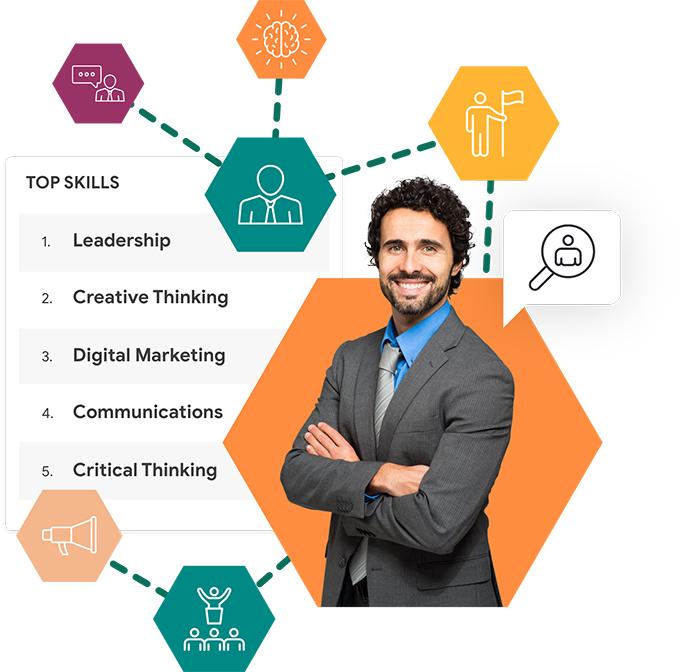
Digital Badges: How They Recognize Skills and Achievements in Today’s Workforce
In a rapidly evolving job market, traditional résumés and academic certificates are no longer enough to represent the full spectrum of an individual’s skills and accomplishments. Digital badges have emerged as a modern, dynamic solution—offering a clear, verifiable record of skills, expertise, and achievements recognized by employers and peers. In this article, we’ll dive deep into what digital badges are, how they work, their growing importance, and how you can leverage them to stand out in today’s workforce.
What Are Digital Badges?
Digital badges are secure, web-enabled representations of an individual’s skills, competencies, or achievements.Unlike paper certificates, these micro-credentials are embedded with metadata that details the criteria, issuing institution, and evidence behind the badge—providing authenticity and depth to skill recognition.
- Visual Symbol: Each badge is a graphical icon that represents a specific skill, accomplishment, or certification.
- Embedded Metadata: Badges contain information such as achievement date, issuing authority, and evidence of accomplishment.
- Verifiable & Shareable: Digital badges can be shared online, displayed on linkedin profiles, e-portfolios, résumés, and can be verified by recruiters with a simple click.
How Digital Badges Work
The process typically involves the following steps:
- Assessment: Individuals complete courses, assessments, or training programs designed by recognized organizations.
- Issuance: Upon meeting specific criteria, the organization issues a digital badge through a recognized platform (e.g., Credly, Badgr, Acclaim).
- Display & Verification: Recipients add badges to their digital profiles. Recruiters and employers can click the badge to verify authenticity and see supporting evidence.
The Importance of Digital Badges in the Modern Workforce
With the global workplace shifting toward skills-based hiring and continuous learning, digital badges offer several key advantages:
- Transparency: Employers can instantly verify a candidate’s abilities, reducing recruitment risks and hiring bias.
- Portability: Individuals own their badges and can showcase them anywhere online,boosting personal branding.
- Motivation for Lifelong Learning: Badge systems encourage ongoing education as professionals accumulate and display certifications and skills.
- Recognize Non-Traditional Learning: Badges validate learning from MOOCs, bootcamps, online training, and workplace experience—not just academic degrees.
Benefits of Digital Badges
For Individuals
- Enhanced Employability: Stand out to employers by highlighting relevant, up-to-date skills.
- Instant Validation: Employers can trust badges verified by reputable organizations.
- clear Pathways: Mapping badges to learning paths can clarify career advancement steps.
- Increased Motivation: Earners are frequently enough more motivated to upskill and capture every new competency earned.
For Employers & Organizations
- Streamlined recruitment: Easier skills matching during the hiring process.
- Retention & employee Engagement: Employees value recognition, which helps drive motivation and loyalty.
- Upskilling Workforce: Clear skills inventories make it easier to identify gaps and plan training initiatives.
For Educational Institutions
- Bridging the Skills Gap: institutions can better align learning outcomes with workforce needs.
- Staying Relevant: Offering digital badges makes institutions more attractive to modern learners and employers alike.
Digital badges vs. Traditional Certifications
While degrees and paper certificates offer value, they often lack transparency and flexibility. Digital badges stand out as they:
- Are promptly verifiable online,reducing counterfeiting and exaggeration.
- Provide granular recognition of skills (e.g., project management, Python programming, teamwork) compared to broad degrees.
- Show learning progress in real time, highlighting a candidate’s commitment to ongoing development.
Popular Digital Badging Platforms
Many leading learning management systems and professional associations now use secure digital badge platforms.Notable examples include:
Real-World Case Studies: Digital Badges in Action
IBM’s Skills Academy
IBM awards digital badges to participants who complete technical training or certification exams. Graduates can add these badges to their LinkedIn profiles, making them more attractive hires for companies seeking verified IBM skills.
Mozilla’s open Badges Initiative
Mozilla spearheaded the Open Badges movement, allowing educators, nonprofits, and employers worldwide to issue standardized, open-source digital badges. This democratized the credentialing landscape, enabling anyone to recognize learning and achievement, regardless of location.
Universities and Online Learning Providers
Many universities and MOOC platforms like Coursera and edX now offer digital badges for course completion, giving students a way to showcase skills as soon as they’re learned, instead of waiting until graduation.
First-Hand Experience: How Digital Badges Impact Careers
Consider the story of Lisa, a data analyst who constantly seeks to improve her skills. Through online courses, she earned digital badges in Python, data visualization, and cybersecurity. By attaching these verifiable badges to her online résumé, Lisa attracted attention from multiple employers—some specifically searching for candidates who hold up-to-date digital credentials. According to Lisa:
“Since adding digital badges to my LinkedIn and portfolio, recruiters have reached out to me more often—and I feel confident knowing my skills are recognized and easily verified.”
Practical Tips: How to Make the Most of Digital Badges
- Choose Recognized Issuers: Select courses or certifications from reputable organizations with established digital badging partnerships.
- Display Badges Strategically: Show badges on LinkedIn, your personal website, email signature, or digital résumé to maximize visibility.
- Maintain a Portfolio: Use platforms like Badgr Backpack or Credly to organize and showcase your digital achievements for prospective employers.
- Keep Skills Updated: Seek out badges for both technical and soft skills to demonstrate a broad and current expertise.
- Explain Badges in Context: When applying for jobs, briefly explain your badges’ significance in your cover letter or during interviews.
Future Trends: The Evolving Landscape of Digital Credentials
As the global labor market continues its digital transformation, digital badges are poised to become the standard for skills verification. with the adoption of AI in recruitment, the rise of remote hiring, and ongoing changes in educational models, these credentials will only grow in impact and recognition.
- Blockchain Integration: Increases the security and trustworthiness of badges.
- Skills-Based Hiring: Companies shifting focus from degrees to proven, relevant skills.
- Increased Adoption in K-12 and Higher education: Helping students and workers alike build lifelong learning records.
Conclusion: Why Digital Badges Matter Now More Than Ever
Whether you’re an individual looking to advance your career, an employer striving to find the best talent, or an educator seeking to prepare learners for tomorrow’s workplace, digital badges are a powerful tool to recognize, validate, and showcase skills. As businesses and educational institutions continue to embrace a skills-first approach, these secure, shareable credentials will play an essential role in building the workforce of the future.
Embrace digital badges today—your skills deserve to be seen!