
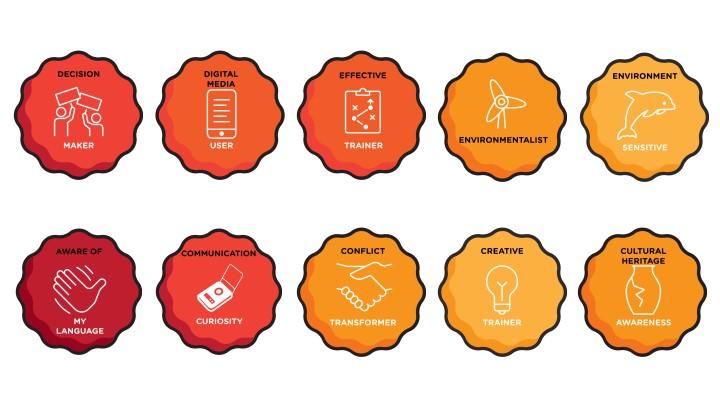
Digital Badges: How They Recognize Skills and Boost Achievements
in today’s fast-evolving educational and professional landscape, digital badges have emerged as a dynamic tool for recognizing skills and celebrating achievements. As traditional qualifications are both supplemented and challenged by new forms of competency-based recognition, digital badges stand out for their ability to bridge learning, personal growth, and professional development. This article delves deep into what digital badges are, how they work, their benefits, practical applications, and why they’re becoming essential in both academia and industry.
What Are Digital Badges?
Digital badges are web-enabled visual tokens awarded to individuals in recognition of specific skills, competencies, or achievements. Unlike physical badges or certificates, digital badges contain embedded metadata, including details about the issuer, the accomplishment, and the evidence required to earn the badge.They can be easily shared across platforms—such as LinkedIn, personal websites, or digital portfolios—making them a powerful way to showcase verified abilities.
- Issued by: Educational institutions, MOOC platforms, industry bodies, businesses, and professional associations.
- Earned for: Completing a course, demonstrating a skill, participating in an event, or passing an assessment.
- Verified and trackable: Badges can be validated by anyone who views them, often through unique URLs.
How Digital Badges Recognize skills
The core of a digital badge system is the transparent recognition of both hard and soft skills. Unlike traditional degrees or certificates, digital badges break down learning into smaller, verifiable components. Here’s how they work:
- Skill Identification: Clearly define the skill or competency to be recognized, based on industry standards or learning objectives.
- Assessment and Evidence: Learners demonstrate the skill through targeted assessments, projects, or real-world tasks, ensuring that the badge is earned rather than simply given.
- Badge Issuance: Upon successful exhibition, the issuing body awards the digital badge, recording metadata such as date, criteria, and links to supporting evidence.
- Sharing and Validation: Earners can display badges on social media, resumes, or ePortfolios. Employers or schools can instantly validate credentials.
The Benefits of Digital Badges
Digital badges offer several clear advantages for learners, educators, and employers. Here’s why they’re rapidly gaining ground in the world of lifelong learning:
For Learners
- Personalized Learning Paths: Choose relevant micro-credentials to suit your individual career aspirations or interests.
- Motivation and Engagement: Badges provide immediate recognition, boosting learners’ confidence and motivating continual progress.
- Verifiable Proof: Shareable badges give clear evidence of skills or knowledge, especially helpful for recent graduates or career changers.
For Educators and Institutions
- Modular Learning: Break down full courses or programs into recognizable micro-credentials that reflect specific competencies.
- Data-Driven Insights: Track learners’ progress and skill mastery with detailed analytics embedded in the badges.
- Enhanced Brand Recognition: Institutions increase their reach and reputation by issuing credible digital badges.
For Employers
- Talent Identification: quickly spot candidates with the right technical and soft skills.
- Workforce Development: Encourage employees to upskill with visible, stackable achievements.
- Recruitment Efficiency: Save HR time with validated, easy-to-assess summaries of applicants’ competencies.
Digital Badges in Action: Use Cases
Many forward-thinking organizations and educational institutions are already using digital badges to transform learning and hiring practices.Here are a few real-world examples:
- MOOCs & E-learning: Leading platforms like coursera, edx, and Udemy award badges for course completions, attracting millions of global learners.
- Corporate Training: IBM’s digital badge program has issued over 3 million badges, helping employees and jobseekers demonstrate technical proficiencies.
- Professional Development: Associations such as the American Council on Education use digital badges for ongoing education in fields ranging from healthcare to tech.
- K-12 Schools: Some schools use badges to reward students for collaborative skills, digital literacy, or STEM achievements—making learning visible beyond grades.
How to Effectively Leverage Digital Badges
For those interested in tapping into the power of digital badges, here are some practical tips and best practices:
For Learners
- Curate a Badge Portfolio: Use platforms like Credly or Badgr to organize and display your badges professionally.
- Link to Social Profiles: Showcase achievements on LinkedIn or personal websites to draw the attention of recruiters or collaborators.
- Seek Stackable Badges: Look for badge series that lead to larger credentials or certification pathways.
For Educators & Issuers
- Define Clear Criteria: Clearly articulate badge earning requirements to maintain credibility and value.
- Focus on industry Relevance: Align badge content with real-world skills that employers demand.
- Foster Engagement: Integrate badges into gamified learning experiences to motivate participation.
For Employers
- Recognize Badge Earners: Incorporate digital badges into your talent acquisition and upskilling initiatives.
- Partner with educational Providers: Work with universities or professional bodies to develop tailored badge programs for your workforce.
- Set Badge-Based Goals: Encourage ongoing learning by rewarding employees who collect badges in critical areas.
Key Features of Digital badge Platforms
Not all digital badge platforms are created equal. When selecting a badge issuer or management system, consider these features:
- Interoperability: Supports Open Badges standards for cross-platform sharing.
- Verification: Easy validation of badge authenticity by employers or educational institutions.
- Analytics: Access granular data on badge earners’ progress and outcomes.
- user-Friendly Interface: Intuitive dashboards for badge creation,management,and sharing.
First-Hand experience:
“I began adding the digital badges from my university and industry webinars to my LinkedIn profile. Not only did it boost my confidence, but it also caught the eye of two recruiters who reached out about project management positions—opportunities that matched the skills my badges verified. The badges didn’t just decorate my profile; they translated to real impact in my job search.”
– Sarah M., Recent Graduate
Implementing digital Badges: Best Practices
If you’re considering adding digital badges to your organization’s learning programs or professional development offerings, keep these best practices in mind:
- Start Small: Pilot badges for a single course or skill, gather feedback, and refine your criteria.
- Engage Stakeholders: Include input from students, faculty, and industry partners in badge design.
- Promote Awareness: Educate learners, staff, and external partners about the value of your badge system.
- Maintain Quality: Regularly review and update badge criteria to stay current and credible.
- integrate Seamlessly: ensure badges work within your existing LMS or HR systems and link to tangible outcomes.
The Future of Digital Badges
the adoption of digital badges is expected to accelerate as industries and educators embrace skills-based hiring and learning. As technologies such as blockchain, AI, and rich data analytics become more prevalent, expect badges to become:
- Even More Verifiable: Blockchain-backed badges will be virtually tamper-proof, ensuring trust and portability.
- Stackable and Pathway-Based: Learners will build “stacks” of badges that lead to advanced qualifications or degrees.
- Ubiquitous in Portfolios: Digital badges will form the backbone of 21st-century resumes and e-Portfolios.
Conclusion: Why Digital Badges Matter
Digital badges are redefining how we recognize, validate, and share skills in our increasingly knowledge-driven world. For learners, they open doors to personalized and portable credentials; for educators and employers, they offer clear, verifiable proof of talent and achievement.By embracing digital badges, you’re not just acknowledging progress—you’re empowering success.
Ready to supercharge your skills or organization’s recognition strategy? Start leveraging digital badges today to showcase real achievements,connect with new opportunities,and stay ahead in the digital age.