
Digital Badges: How They transform Skills Recognition and Showcase Achievements
In today’s rapidly evolving digital landscape, customary credentials like diplomas and certificates are no longer sufficient to fully represent an individual’s skills and achievements.Digital badges have emerged as a transformative solution, offering a modern, verifiable, and shareable way to recognise and showcase skills. Whether you’re an employer, educator, or learner, understanding how digital badges revolutionize skills recognition is essential for future growth and lifelong learning.
What Are Digital Badges?
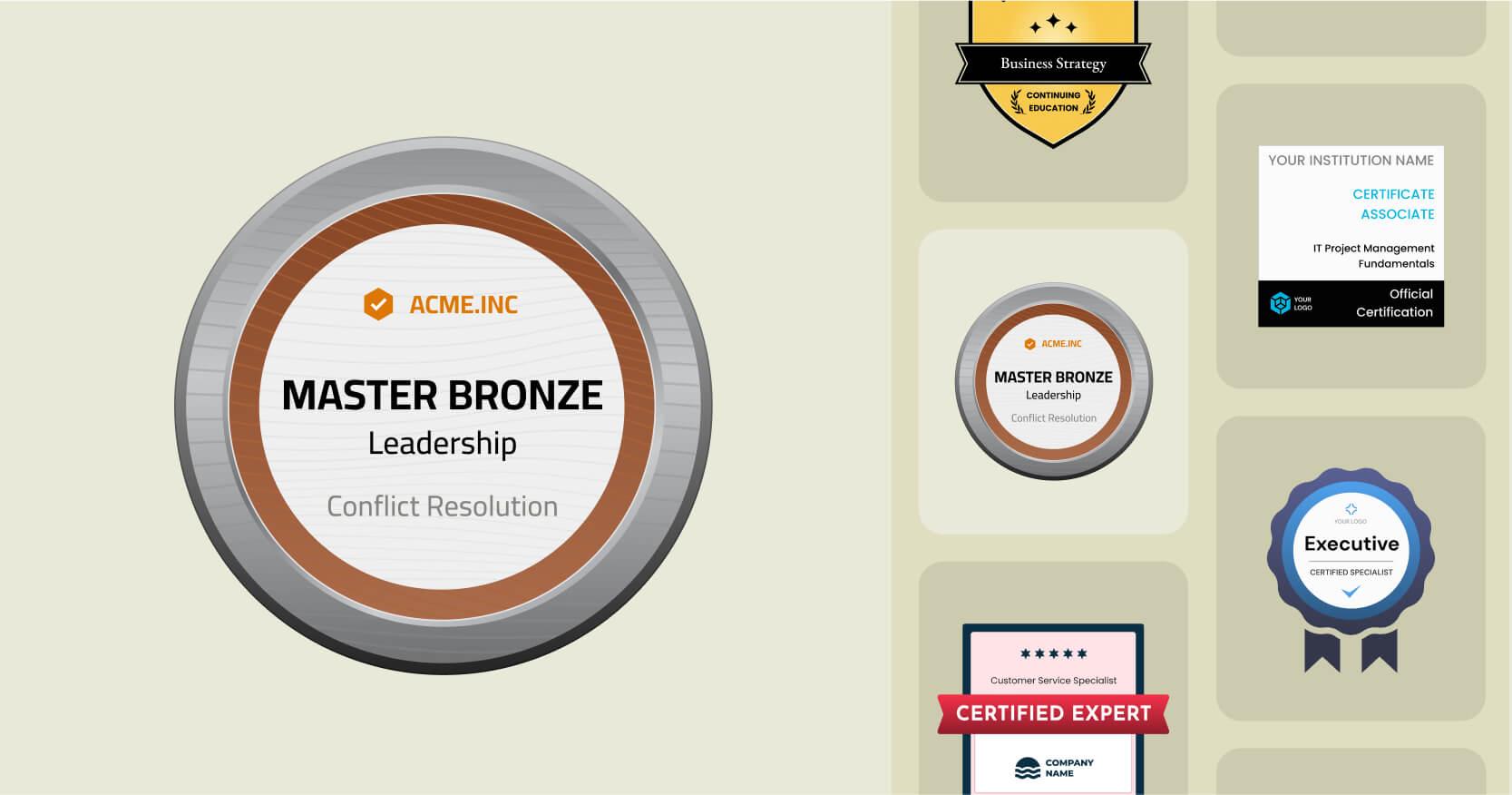
Digital badges are visual representations of skills, accomplishments, or certifications earned by individuals through completing specific tasks or meeting certain standards. Each badge is embedded with metadata providing data about:
- The issuing association
- Criteria for earning the badge
- Date issued and expiration (if any)
- Verified evidence of achievement
Unlike traditional paper certificates, digital badges leverage secure, tamper-proof technology (often blockchain or secure databases), ensuring authentication and easy sharing across digital platforms.
How Digital Badges Transform Skills Recognition
The skills recognition landscape is undergoing a basic shift,thanks to the adoption of digital credentials. Here’s how digital badges are changing the game:
- Verifiable and Trustworthy: Digital badges offer openness and can be easily verified by employers, reducing the risk of falsified qualifications.
- Micro-Credentials: They break down skills into specific, measurable achievements, allowing for a more nuanced depiction of an individual’s capabilities.
- Real-Time Updates: As individuals acquire new skills, they can promptly showcase them, supporting continuous learning and professional development.
- Shareability: Digital badges can be showcased on personal websites, LinkedIn profiles, digital portfolios, résumés, and social media, multiplying visibility.
- Global Recognition: Because they conform to industry standards (like Open Badges), digital badges are recognized across organizations, borders, and systems.
Benefits of Digital Badges for learners and Organizations
Embracing digital badges brings considerable advantages for both individuals and organizations. Here’s why they’re becoming the go-to choice for skills recognition and talent management:
For Learners
- Enhanced Employability: Showcase verifiable skills and certifications to potential employers,enhancing job marketability.
- Lifelong Learning Incentives: The opportunity to earn micro-credentials motivates continual skill development.
- Personal Branding: Create a digital portfolio of achievements, setting yourself apart in a crowded marketplace.
- Versatility: Learn at your own pace and earn badges for a wide range of competencies—from technical proficiency to soft skills.
For Organizations
- Recruitment Advantage: Quickly assess candidates’ verifiable skills during hiring processes.
- Employee Engagement: Recognize and reward upskilling, boosting motivation and retention.
- Track Training ROI: Measure the effectiveness of learning and development programs through detailed badge analytics.
- Brand Differentiation: Become a forward-thinking employer or training provider by leveraging innovative credentialing tools.
Practical Tips for Implementing Digital Badges
Thinking about adopting digital badges for your organization or personal growth? Here are some practical strategies to get started:
-
Define Clear Criteria:
Establish measurable and obvious requirements for each badge to ensure value and consistency.
-
Select the Right Platform:
Opt for secure, standards-compliant platforms such as credly, Badgr,or your Learning Management System (LMS).
-
Integrate with Learning Pathways:
Embed badges into formal training,online courses,or professional development tracks.
-
Educate Stakeholders:
Provide guidance to learners and staff on how to earn, share, and leverage badges effectively.
-
Encourage Social Sharing:
Motivate badge recipients to display their achievements on platforms like LinkedIn, Twitter, or personal websites, increasing organizational visibility.
-
Measure Impact:
Use the analytics provided by your badging platform to assess engagement, learning outcomes, and reach.
Case Studies: Digital Badges in Action
The impact of digital badges is visible across diverse sectors. here are a few real-world examples:
1. IBM’s Digital Badge Programme
IBM launched one of the world’s largest corporate digital badge programs,recognizing a spectrum of skills spanning technology,leadership,and sales. With over 3.5 million badges issued, IBM reports increased learner engagement, enhanced employee satisfaction, and improved visibility of internal talent pools.
2. Open University’s Badged Open Courses
The UK’s Open university offers free online courses with digital badges as a reward for completion and mastery. Learners use badges to validate informal learning, bridge skill gaps, and enhance employability.
3. Adobe Certified Professional
Adobe awards digital badges to professionals who demonstrate proficiency in its creative software tools. These credentials empower freelancers and job seekers to visibly exhibit technical skills to prospective clients or employers.
First-Hand Experience: Voices from Learners
“Earning a digital badge after completing a project management course gave me an immediate edge during job applications. I could showcase my certified skill on LinkedIn, and interviewers mentioned my badge more than once.” – Maria G., Project Coordinator
“Our company uses digital badges for in-house training recognition. They make our learning paths more transparent and motivate teams to keep upskilling.performance reviews have never been easier!” – Adrian S., HR Manager
SEO Best Practices: how to Maximize Your Badge’s Visibility
If you’re earning digital badges, make sure you leverage their SEO advantages:
- Add badges to your LinkedIn profile, enabling recruiters to discover your credentials through search.
- Include badges on your personal website using optimized alt text and badge descriptions.
- Write blog posts detailing the significance of each badge and what you learned during the process.
- Share badges on social channels using relevant hashtags (e.g., #digitalbadges, #skillsrecognition).
Conclusion: The Future of Skill Recognition is digital
Digital badges are more than just digital stickers—they’re powerful, verifiable, and flexible credentials that are reshaping how skills and achievements are recognized and showcased in the digital age. As the future of work pivots towards skills-based hiring and lifelong learning, digital badges give both individuals and organizations the agility to keep pace, empower growth, and tell their skills story far beyond the constraints of paper certificates.
Whether you’re an educator seeking to encourage learning, an organization wanting to recognize excellence, or an individual aiming to stand out, now is the perfect time to embrace the transformational power of digital badges.