
Digital Badges: How They’re Revolutionising Skill Recognition and Achievement
Digital badges are transforming the world of skill recognition, providing a flexible, verifiable, and motivating way to showcase abilities and accomplishments. In today’s dynamic landscape, where skills quickly outdate and learning is continual, digital badges offer a contemporary approach to verifying and sharing what you know and can do. Whether you’re an educator, employer, student, or lifelong learner, understanding digital badges is increasingly essential.
What Are Digital Badges?
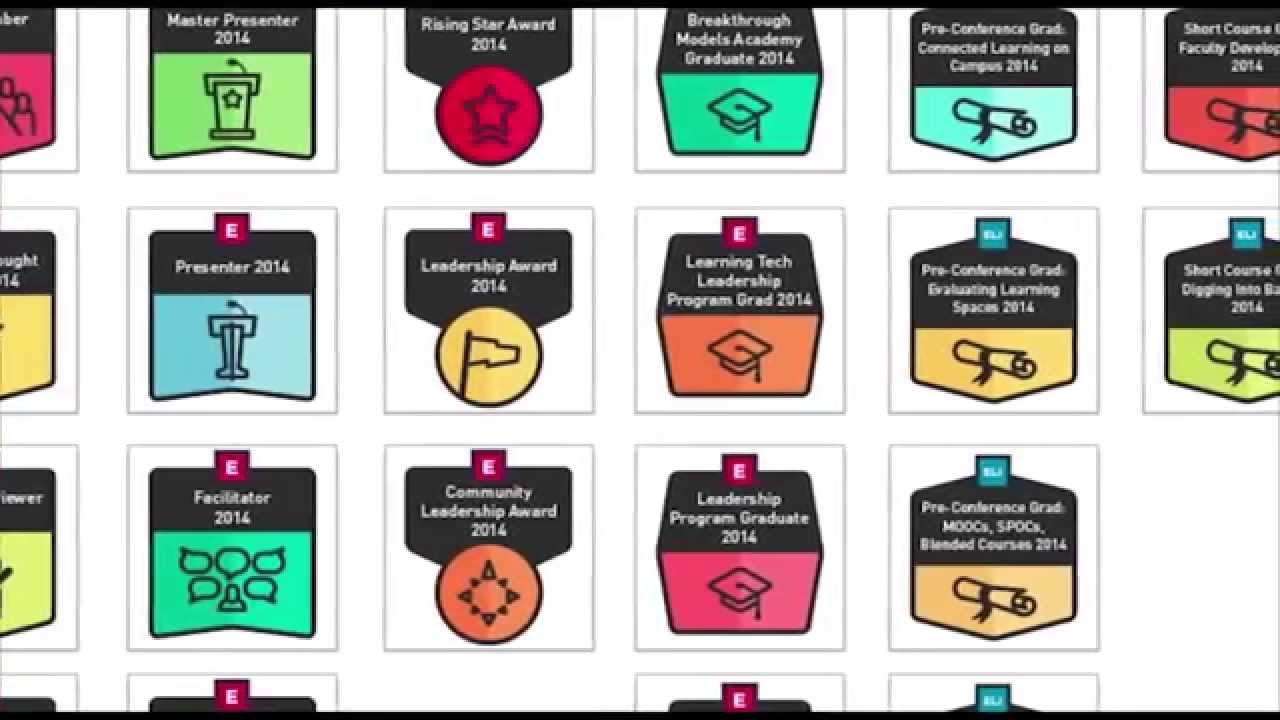
A digital badge is an online depiction of a skill,achievement,or experience. Unlike paper certificates, digital badges contain metadata describing who earned the badge, who issued it, and what criteria were met. This makes them easy to verify and share across digital platforms such as LinkedIn, online portfolios, websites, and more. They serve both as a credential and a record of accomplishment, adding credibility to your learning and achievements.
- Visual Symbol: Each badge includes a unique graphic emblem.
- Metadata: Detailed information about the issuer, earner, criteria, and evidence.
- Shareability: Easily added to resumes, profiles, and social networks.
- Verifiability: Anyone can check the authenticity and criteria of the badge online.
The Evolution of Skill Recognition
Traditional recognition systems—like diplomas, transcripts, and certifications—have limitations. They often lack granularity and don’t always provide a clear picture of an individual’s current skills. Digital badges, conversely, enable:
- Granular Skill Validation: Recognize micro-skills and specific competencies, not just broad qualifications.
- Lifelong Learning: Acknowledge continuous upskilling beyond formal education.
- Portability: Take your achievements anywhere,independent of a single institution.
Benefits of Digital Badges
The adoption of digital badges is skyrocketing across sectors.Let’s explore why they’re becoming a game-changing tool in education, the workplace, and personal progress.
For Learners and Professionals
- Motivation and Engagement: Earning badges offers instant recognition and provides clear goals to pursue.
- Showcase Skills: Highlight not just academic milestones but also soft skills, project work, and co-curricular achievements.
- Career Advancement: Share digital badges on professional networks like LinkedIn, making you stand out in a competitive job market.
- Personalisable Learning Paths: Select badges relevant to personal aspirations and career paths.
For Employers
- Streamlined Hiring: Quickly verify candidates’ skills and credentials.
- Employee Development: Motivate ongoing training with visible rewards.
- Custom Recognition: Issue company-specific badges for unique programs or achievements.
For Educators and Institutions
- Track Learning Outcomes: Accurately map skills and competencies achieved during a course.
- Boost Engagement: Encourage participation and effort with milestone badges.
- Data Insights: Analyze learning patterns and success rates through badge analytics.
How Digital Badges Work
The process of earning and issuing digital badges typically follows these steps:
- Skill or Achievement Defined: An institution or platform specifies the knowledge, skill, or criteria required to earn the badge.
- Assessment: Learners complete tasks,assessments,or projects to demonstrate proficiency.
- Issuance: Upon meeting criteria, the learner is awarded a digital badge, complete with metadata and a unique link.
- Sharing: The badge can be displayed on portfolios, social networks, resumes, or job applications.
- Verification: Employers or educators can instantly verify the badge online, ensuring its legitimacy.
Platforms like Credly,Badgr,and Open Badge Factory are leading the way in badge creation,management,and sharing.
Digital Badges: Use Cases and Success Stories
Education
- K-12 and Higher Education: Schools and universities use digital badges to motivate students and track not just grades but also skills, competencies, and extracurricular involvement.
- Online courses: eLearning platforms like Coursera and edX reward badge-earning learners, improving completion rates and career outcomes.
Corporate Training
- Technology Companies: Firms like IBM and Google use digital badges to certify employee skills in cloud computing, AI, and more.
- Internal Recognition: Employers issue badges for onboarding, leadership programs, diversity training, and project milestones.
Nonprofit, Goverment, and Community Programs
- Community Organisations: Digital badges incentivise participation in volunteering, skill development, or mentorship initiatives.
- Government Projects: Some government bodies issue badges to validate digital literacy, civic skills, or sustainable living practices.
Real-World Case Study: IBM’s Digital Badge Program
IBM launched their digital badge program to close skill gaps among employees and the broader technology community. As inception, the program has awarded millions of badges globally, resulting in:
- Faster Learning: Employees are more engaged in upskilling and reskilling activities.
- Career Progression: Earners are more likely to receive promotions or new job opportunities within the company and beyond.
Tips for Earning and Showcasing Digital Badges
Interested in getting started with digital badges? Here are practical steps for learners and professionals:
- Identify relevant Platforms: Look for industry-recognised issuers or your desired skills on sites like Credly,Acclaim,or your educational institution.
- Align Badges With Career Goals: prioritise badges that align with your job aspirations or emerging industry trends.
- Showcase Proudly: Add badges to your LinkedIn profile, digital CV, or personal website. Most platforms provide easy integration.
- Provide Evidence: Many platforms enable you to attach projects, assessments, or portfolios as evidence of your achievement.
- Keep learning: Regularly check for new badge opportunities as your industry evolves.
Future Trends in Digital Badge Adoption
The future looks bright for digital badges and micro-credentialing, with several key trends:
- Blockchain Verification: Some badge platforms are adopting blockchain technology to prevent fraud and streamline verification.
- Interoperability: Badges are becoming more portable across platforms, supporting lifelong, varied learning journeys.
- Personal Branding: As more professionals curate their online presence,digital badges will become an integral part of personal branding strategies.
- Integration with HR Systems: Employers are increasingly incorporating badges into internal HR and talent management software.
frequently Asked Questions (FAQs)
Are digital badges the same as certificates?
No. While both recognise achievement, digital badges are more detailed and universally shareable. They contain metadata, are verifiable, and can showcase granular skills, unlike most certificates.
How do employers view digital badges?
Progressive employers, especially in technology and education, highly value digital badges as they provide verified, up-to-date evidence of skills and learning beyond traditional credentials.
Can digital badges expire?
Some digital badges are valid indefinitely, while others expire to reflect the relevance or recency of the skill. The metadata always specifies the expiration policy.
Conclusion: Embrace the Digital Badge Revolution
Digital badges are much more than colourful icons—they are credible,flexible,and motivating credentials marking milestones in your learning and professional journey. As a recognised tool for skill recognition and achievement,digital badges empower individuals to take charge of their learning,differentiate themselves in the job market,and build a lifelong portfolio of accomplishments.
Whether you’re a student, professional, employer, or educator, now is the time to embrace the digital badge revolution and unlock new opportunities for growth and achievement.Start earning and issuing digital badges today to showcase the real impact of your skills in our increasingly digital world.