
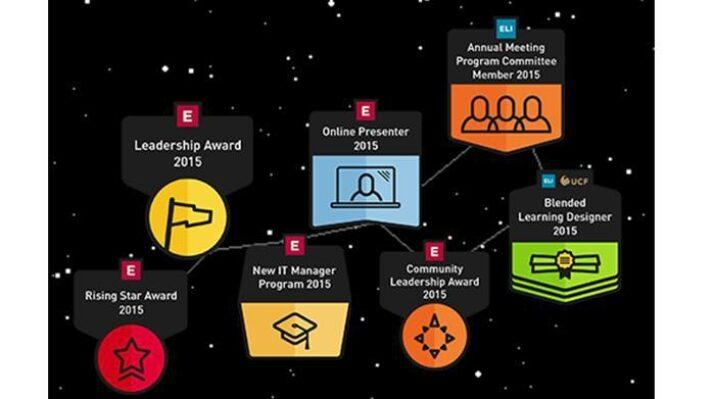
Digital Badges: How to Recognise Skills and Achievements in the modern Learning Era
The shift towards online education and skills-based hiring has fueled the demand for reliable, asynchronous recognition of learned competencies.Digital badges—portable,verifiable credentials representing skills and achievements—are quickly transforming how we measure and showcase learning in the modern era. This comprehensive guide explores the importance of digital badges, their benefits, practical applications, and strategies for effectively implementing them within your educational or professional context.
What Are Digital Badges?
Digital badges are visual, online representations of skills, knowledge, or accomplishments earned through various learning experiences. Unlike traditional certificates,digital badges are:
- Secure: typically backed by metadata that verifies the issuer,criteria,and evidence.
- Shareable: Easily displayed on digital resumes, social media, and e-portfolios.
- Portable: Recognized and accepted across multiple platforms and institutions.
At their core, digital badges provide a transparent, evidence-rich way to recognise both formal and informal learning, making them ideal for today’s flexible and evolving educational landscape.
The Rise of Digital Badges in Modern Learning
The spread of online courses, microlearning, and competency-based education has made it critical to recognize achievements outside traditional transcripts. Employers and educators alike are turning to digital badges to:
- Bridge the gap between academic credentials and real-world skills
- Motivate and engage learners with visible, incremental recognition
- Build detailed learner profiles for skills-based hiring and advancement
- Encourage lifelong learning by validating a wide variety of competencies
Prominent organizations such as IBM, LinkedIn, and edX have adopted digital badge systems, highlighting their global acceptance and impact.
Key Benefits of Digital Badges
Adopting digital badges offers a range of advantages to learners, educators, and employers. Here’s how:
1. Skills Visibility and Verification
- Detailed metadata attached to each badge offers instant proof of specific skills,issuing organizations,and validation dates.
- Makes it easy for recruiters to verify a candidate’s abilities without manual checks.
2. Learner Motivation and Engagement
- Gamifies the learning process with tangible rewards and milestones.
- Encourages progression and continuous self-improvement.
3. Versatility and Portability
- Badges are digital-first and easily integrated into professional portfolios, social media profiles, and job applications.
- Facilitate lifelong learning by allowing accumulation of achievements from diverse sources.
4.Enhanced Employability
- Demonstrate up-to-date knowledge in fast-changing fields such as tech, marketing, or design.
- Help job seekers stand out with verified competencies beyond academic degrees.
How Digital Badges Work: The Technical Side
Digital badges function through robust technology standards—most notably the Open Badges standard by IMS Global Learning Consortium, which ensures badge credibility, interoperability, and portability.
- Issuance: An awarding body (e.g., university, company, MOOC provider) defines criteria and awards the badge upon completion.
- Metadata: Each badge contains unique data about the achievement, issuer, date, and evidence.
- Verification: Anyone can verify a recipient’s achievement by examining the badge’s metadata or validating with the issuing platform.
Popular platforms for creating, managing, and displaying digital badges include credly, Badgr, Open Badge factory, and Mozilla Backpack (now Concentric Sky).
Real-World Applications and Case Studies
Case Study 1: IBM’s digital Badging Program
IBM launched a digital badges initiative to recognize employees’ technical skills in cloud computing, AI, and coding. Over 2 million badges were issued globally, leading to increased employee engagement, faster skills validation, and enhanced talent mobility within the company.
Case Study 2: Higher Education and Micro-Credentials
Universities like the University of California and Michigan State University have integrated digital badges into co-curricular and MOOCs as micro-credentials for teamwork,leadership,and project management—bridging the gap between academic theory and practical skills employers value.
First-hand Experience: Digital Badges Boost Student Confidence
“When I received my first digital badge from an online data science bootcamp, I instantly shared it on linkedin. It not only sparked interest from recruiters but gave me a tangible sense of progress—a motivation I never felt from final transcripts.”
– Jane P., Data Analyst & Online learner
Best Practices: Implementing Digital Badges Effectively
Successfully integrating digital badges into your learning or work environment requires strategic planning. For both educators and organizations, consider these tips:
1.Define Clear, Meaningful Criteria
- Outline specific skills, knowledge, or competencies needed for each badge.
- Align badge criteria with real-world industry standards or job requirements.
2. foster Clarity and Trust
- Ensure badge metadata provides verifiable evidence and issuer information.
- Publicly list badge earning criteria and validation procedures.
3. Integrate with Existing Systems
- Use established badge platforms that connect with learning management systems (LMS), HR software, or portfolio tools.
- Offer easy sharing options for social media and professional sites to maximize badge visibility.
4. Continuously Update and Align
- Regularly review and update badge criteria to reflect emerging trends and skills in your field.
- Gather feedback from learners and employers to enhance badge value and relevance.
Overcoming Challenges with Digital Badging
Despite their benefits, digital badges face hurdles to widespread adoption. Key challenges include:
- Awareness and Understanding: Not all employers or institutions are fully aware of digital badge legitimacy.
- Standardization: Differences in badge quality or criteria can impact trust and value.
- Technical Barriers: Integration with existing systems may require dedicated resources or expertise.
To address these,ongoing collaboration between education providers,employers,and platform developers is essential,focusing on standardization,awareness campaigns,and best-practice sharing.
Frequently Asked Questions about Digital Badges
- Are digital badges the same as e-certificates?
Not exactly. Digital badges come with verifiable metadata and frequently enough greater detail about competencies, whereas e-certificates usually just confirm attendance or completion. - Can I use digital badges on LinkedIn?
Yes! Most badge providers offer direct integration for displaying badges on your LinkedIn profile or digital CV. - Do employers value digital badges?
Increasingly so,especially in tech,healthcare,and modern industries.Badges that clearly demonstrate applied skills, with evidence, are highly regarded.
Conclusion: Embracing Digital Badges for the Future of Learning
Digital badges are reshaping recognition in education and the workplace by providing a transparent, trusted way to showcase verified skills and achievements. As the learning landscape grows more varied and personalized, digital badges empower learners to tell their unique stories—while giving employers the clarity they need to make confident hiring decisions.
Whether you’re an educator, HR leader, student, or lifelong learner, embracing digital badges means stepping into the future of skills recognition. Begin by exploring badge platforms, defining meaningful criteria, and helping foster a culture that values continuous growth and verified achievement.
Ready to get started? Explore leading platforms like Credly, Badgr, and Open Badge Factory to discover how digital badges can elevate your skills recognition strategy today!