
Digital Badges: How to Recognise Skills and Achievements in the Modern World
In today’s fast-evolving digital landscape, traditional paper certificates and resumes are rapidly being replaced by more dynamic, verifiable credentials. Digital badges have emerged as a powerful tool to recognise, verify, and showcase skills and achievements across education, training, and professional environments. This article explores the concept of digital badges, their benefits, best practices for implementation, and their transformative role in recognising skills in the modern era.
What are Digital badges?
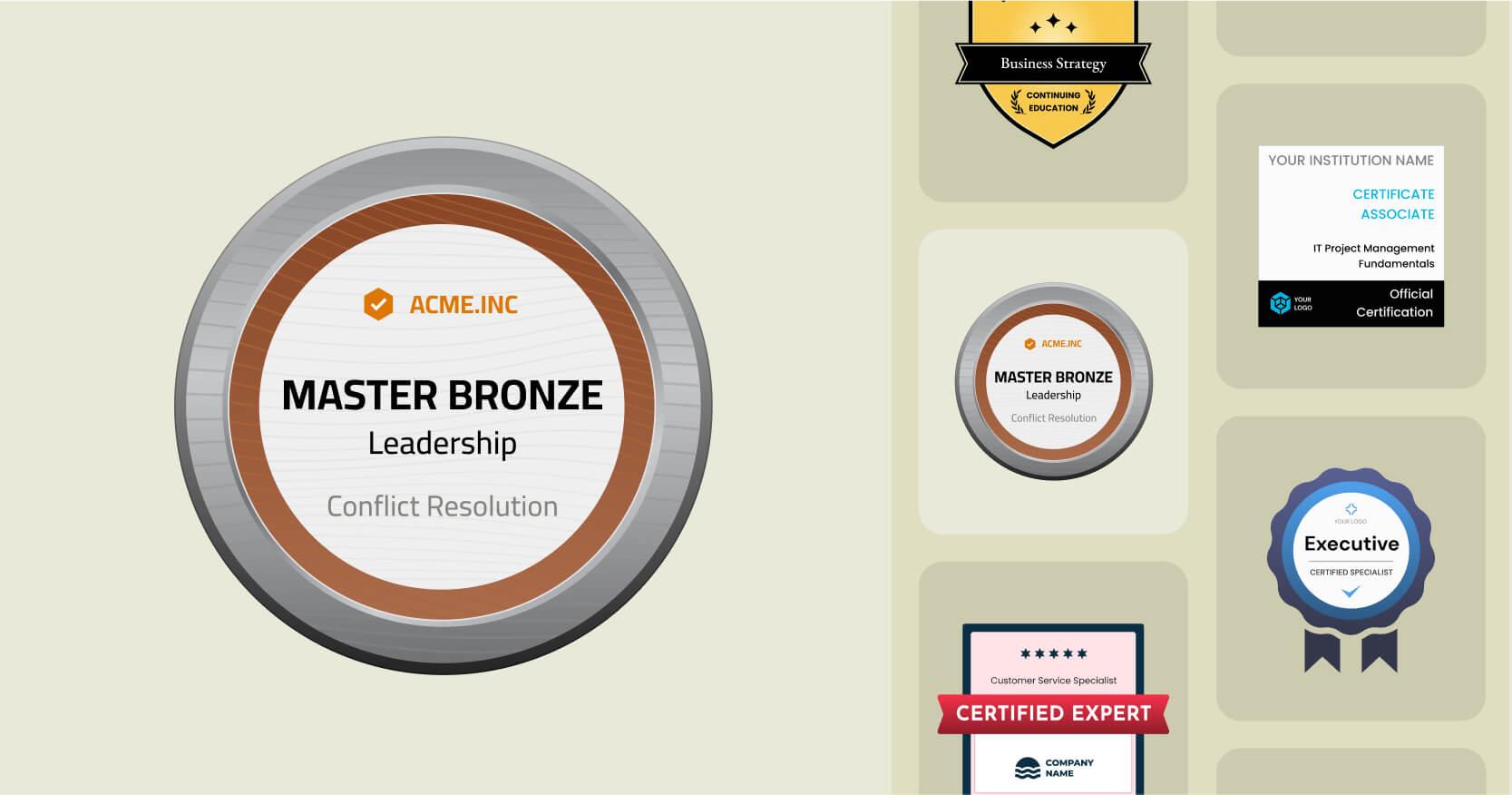
Digital badges are online representations of skills, knowledge, and achievements. Unlike physical certificates, thes badges are secure, shareable, and easily verifiable. Each digital badge contains metadata detailing what was accomplished, who issued the badge, and the criteria for earning it.
- Visual Symbol: Each badge features a unique design that represents a specific skill or achievement.
- Verifiable Metadata: Embedded information validates the authenticity of the badge and provides context for the achievement.
- Shareability: Badges can be displayed on LinkedIn, digital portfolios, personal websites, and other online platforms.
Why Digital Badges Matter in the Modern World
The shift toward digital badges is an answer to several challenges faced by employers, educators, and learners in verifying skills and accomplishments. Here’s why digital credentials are increasingly important:
- Real-Time Verification: Employers and institutions can instantly verify a candidate’s achievements.
- Openness: Complete details about the badge issuer, criteria, and evidence are embedded in each badge.
- Portability: Learners and professionals can carry their badges across platforms, roles, and even countries.
- Recognition of Micro-Skills: Digital badges enable recognition for smaller, specific skills and competencies not always covered by degrees or diplomas.
- Encouragement and Motivation: Earning badges can drive engagement, making learning and progress interactive and rewarding.
Key Benefits of Digital Badges
Adopting digital badges offers a variety of advantages for individuals,educational institutions,and employers:
- Enhanced Employability: Digital badges demonstrate verified skills, making job candidates stand out.
- Lifelong Learning: Badges encourage individuals to pursue continual skill development beyond traditional education.
- Streamlined Recruitment: Employers can quickly assess applicants’ skills through transparent, verified credentials.
- Recognition of Soft Skills: Skills like leadership, interaction, and teamwork can be effectively recognised and shared via digital badges.
- Enriched Learning Environments: Badge-based systems promote gamification and active participation in educational settings.
how Digital Badges Work
1.Earning
Individuals earn digital badges by completing courses, training programs, projects, or assessments meeting predefined criteria set by badge issuers. Badges are not awarded for mere participation; they recognise demonstrable achievements.
2. Issuing
Recognised institutions,employers,or online learning platforms act as badge issuers. They ensure that badges are aligned wiht industry standards and include robust metadata.
3. Sharing & Display
Once issued, digital badges can be added to:
- Professional social networks (like LinkedIn)
- Personal websites or digital portfolios
- Email signatures
- Online resumes and job boards
4. Verifying
Recipients and employers can click on badges to instantly verify their authenticity, criteria, and issuer details.
Practical Implementation tips
For Educational Institutions
- Partner with Leading Badge Platforms: Collaborate with platforms like Credly,Open Badges,or Badgr to securely issue and manage badges.
- Define Clear Criteria: Establish transparent and achievable criteria for each badge to ensure credibility and value.
- integrate with Learning Management Systems (LMS): Seamless integration allows for automated badge awarding upon course completion.
- Engage Learners: Communicate the value of badges and encourage students to share their accomplishments widely.
For Employers & Training Providers
- Align Badges with industry Needs: Design badges that reflect current industry skills and job market demands.
- Promote Badge Value: Educate employees and stakeholders on how digital badges support career growth and personal development.
- Regular Updates: Periodically review badge offerings to reflect new skills, technologies, and industry trends.
Case Studies: Digital Badges in Action
Example 1: IBM’s digital Badge Program
IBM is a pioneer in the adoption of digital badges, issuing millions of them through its learning and certification programs. Their program recognises both technical and soft skills, enabling employees and learners worldwide to prove their competencies and enhance their employability.
Example 2: Mozilla Open Badges
Mozilla’s Open Badges initiative provides an open standard for digital badges, ensuring interoperability across different platforms. Schools and universities have leveraged this system to issue micro-credentials in areas such as coding, leadership, and community service.
Example 3: University of Illinois
The University of Illinois integrated digital badges into its online curriculum, enabling students to earn micro-credentials for skills like data analysis and project management. These can be shared with prospective employers, providing granular evidence of their learning outcomes.
First-Hand Experience: Transitioning to Digital Credentials
Many professionals share stories of how digital badges have transformed their careers:
“After earning a project management badge from an industry leader, I added it to my LinkedIn profile and instantly received more interview requests. Recruiters appreciated the verified skills and proof of my commitment to learning.”
— Emily R., Marketing Professional
Such experiences demonstrate the increasing influence of digital badges in career advancement and personal branding.
Frequently Asked Questions about Digital badges
- Are digital badges secure and tamper-proof?
- Yes. Credible badge platforms use encryption and blockchain technology to ensure badges are tamper-resistant and easily verifiable.
- Can digital badges replace traditional degrees?
- While badges are not substitutes for degrees, they complement them by recognising specific skills and continuous learning achievements.
- How do I know if a digital badge is credible?
- Check the issuing authority, review the metadata, and ensure it aligns with recognized standards such as Mozilla’s Open Badges framework.
- Are employers accepting digital badges?
- More employers are valuing digital badges, especially in tech, education, and professional services industries.
Conclusion: Embracing the Future of Skill Recognition
Digital badges are reshaping how learning, skills, and achievements are recognised in our interconnected world. By offering secure, portable, and transparent verification, digital badges empower learners, educators, and employers alike. Whether you’re a student, a job seeker, or a training provider, embracing digital badges can unlock new opportunities and validate talents in ways that traditional credentials cannot. The future of skill recognition is digital—will you be part of it?