
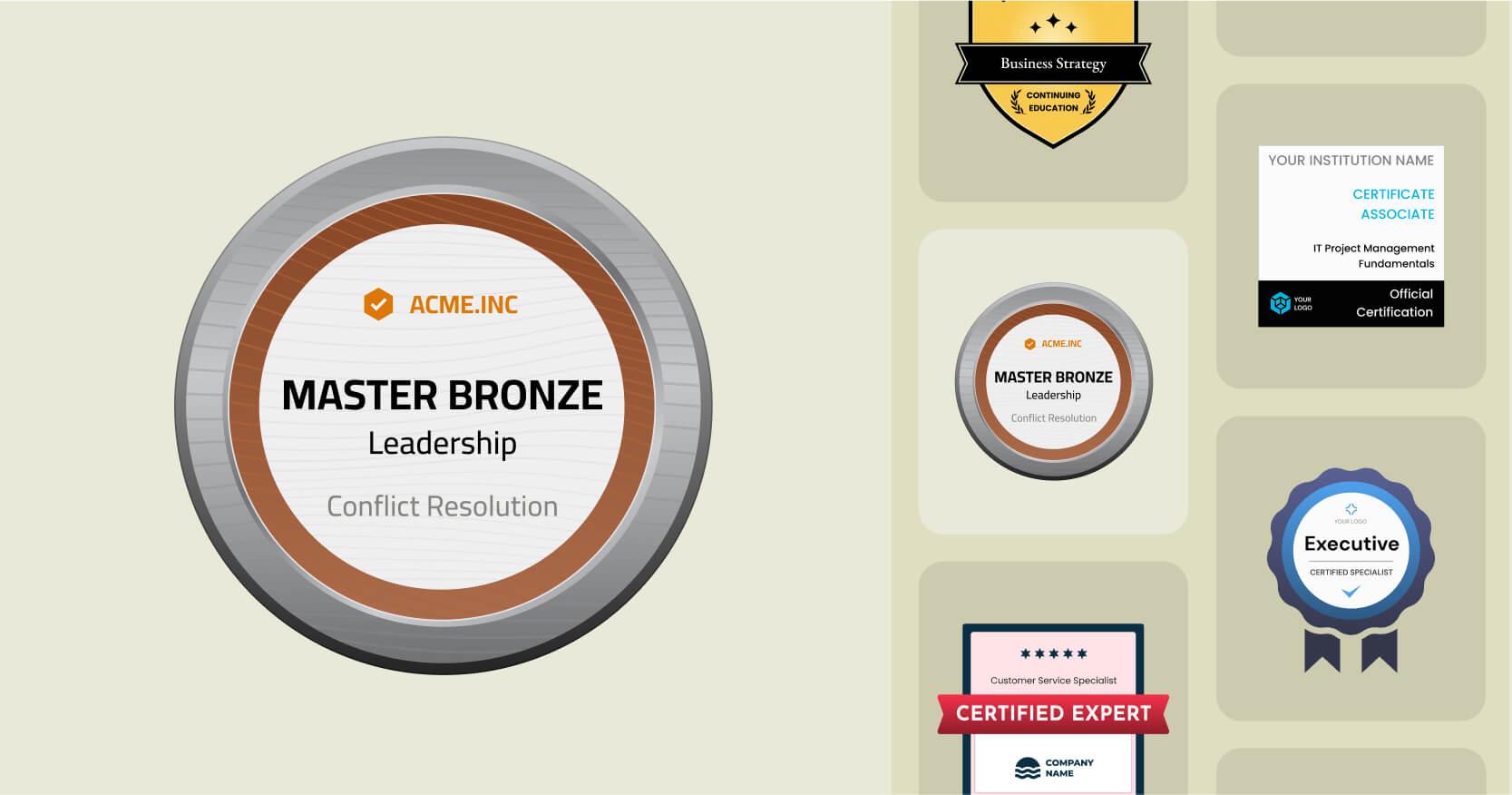
Digital Badges: Recognising Skills and Achievements in the Modern Workplace
In a rapidly evolving job market, both employers and employees need new ways too recognize, validate, and showcase skills and achievements. Digital badges have emerged as a powerful solution,revolutionising how professional growth and learning are acknowledged in the modern workplace. This thorough guide explores what digital badges are, their benefits, real-world applications, and how organisations can effectively implement digital badge systems.
What are Digital Badges?
Digital badges are visual, portable credentials in a digital format that represent an individual’s accomplishments, skills, or knowledge. Each badge is more than just an icon—it is embedded with metadata that verifies the skill, the issuing authority, the criteria required to achieve it, and often links directly to evidence or assessments.
- Visual Representation: An image or icon users can display online.
- Embedded Metadata: Verifiable details about the achievement.
- Shareable: Easy to display on LinkedIn,personal websites,email signatures,and portfolios.
- Issuer: Issued by trusted organizations, universities, or employers.
Why Digital Badges matter in the Modern Workplace
Traditional certificates and resumes often fail to capture the full breadth of an employee’s skills or competencies. Digital badges bridge this gap by providing a transparent, authentic, and easily accessible representation of learning and achievement. As workplace learning shifts toward continuous upskilling and micro-credentials, digital badges are becoming an essential tool for both employees and employers.
Key Reasons Digital Badges are Essential:
- Real-time Recognition: Instantly acknowledge achievements as they happen.
- Portability: Badges can travel with employees across roles, organizations, and industries.
- transparency: Embedded metadata provides context and verification to mitigate credential fraud.
- Motivation: Gamified elements encourage employee engagement and ongoing learning.
Benefits of Digital Badges for Organisations and Employees
Implementing a digital badge system delivers measurable advantages for businesses and staff alike. Let’s explore the benefits from both perspectives:
For Organisations:
- Streamlines Talent Management: Badges help HR and managers quickly identify internal talent and skill gaps.
- Boosts Employee Engagement: Recognition motivates staff and promotes a culture of achievement.
- Enhances Employer Branding: Shows commitment to employee development—attracting top talent.
- Improves Learning ROI: Provides data-driven insights into the impact of training programs.
For Employees:
- Career Advancement: Badges make it easier to prove skills to current or future employers.
- Networking: Shareable credentials enhance profile visibility on LinkedIn and other platforms.
- Greater Autonomy: Learners can pursue and display micro-credentials aligned with personal career goals.
- Immediate Gratification: Earn recognition instantly—no long waits for certificates or reviews.
How Digital Badges Work: A Step-by-Step Overview
The process of earning and issuing digital badges in the workplace typically follows these steps:
- Learning Activity: Employees complete a course, training module, assessment, or project.
- Badge Issuance: Once requirements are met, a digital badge is awarded by the recognised authority.
- Verification: Each badge contains metadata (skill description, issuer, date, evidence) for secure verification.
- Sharing: Recipients can add badges to their social media profiles, resumes, or online portfolios.
- Review: Peers,recruiters,or managers can click the badge for details—offering instant credibility.
Digital Badge Platforms and Technologies
A variety of digital badge platforms support easy creation, management, and distribution of badges. Notable solutions include:
- Credly – Popular for workplace and higher education credentials.
- Badgr – integrates well with LMS and e-learning platforms.
- Open Badges (Mozilla) – Follows open standards for maximum portability and interoperability.
- Acclaim – Trusted by many organisations for industry-specific badges.
When choosing a platform, look for features like open standards compliance, analytics, ease of integration, and scalability.
Integration with Learning Management Systems (LMS)
Modern LMS solutions such as Moodle, Canvas, and TalentLMS often support digital badge issuance natively or via plugins, streamlining the process for both training teams and end-users.
Real-World Case Studies: digital Badges in Action
Case Study 1: IBM’s Digital Badge Program
As its launch, IBM’s pioneering digital badge initiative has awarded over 3 million badges to employees and external learners, spanning technical, sales, and soft skills. The program increased internal mobility, improved digital skills, and motivated continuous learning across the organisation.
Case Study 2: NHS England’s Digital Skills Badges
NHS England adopted digital badges to validate the digital literacy and skills of healthcare professionals. The program enabled staff to prove their proficiency with electronic health records and new technologies, helping foster a tech-savvy and agile workforce essential for modern healthcare delivery.
Case Study 3: Google Cloud Badges
Google Cloud implemented digital badges for its training and certification pathways. Learners can showcase their Google Cloud skills via badges linked in online portfolios, driving learner engagement and enhancing employer confidence in digital skills.
Practical Tips for implementing Digital Badges in the Workplace
Adopting a digital badge strategy requires careful planning to ensure maximum impact and sustained engagement. Here’s how to get started:
- Align Badges with Business Goals: Tie badges to key competencies, strategic initiatives, and the skills your business needs.
- Ensure Rigor and Credibility: Set clear,measurable criteria to earn each badge and choose reputable issuers.
- Promote Across Channels: Encourage employees to share their badges and use them in career development activities.
- Provide guidance: Offer resources and support for staff on how to earn, display, and use their badges.
- Measure and Iterate: Track engagement, skill acquisition, and badge usage to refine your program.
First-Hand Experience: Voices from the Workplace
“Earning digital badges after completing internal data analysis courses made a big difference for my career. I included them on my LinkedIn profile, and it helped me get noticed by recruiters—plus, my manager could quickly see my growth areas.”
— Priya S., Business analyst
“Our team now uses digital badges to unlock stretch assignments and mentorship opportunities. It’s motivating to see the skills you earn recognised not just by HR, but by the whole company.”
— Tom R., HR Specialist
Digital Badges: the Future of Skills Recognition
As skills-based hiring and lifelong learning continue to shape the future of work, digital badges offer a versatile and transparent way to recognise and validate achievements in real-time. They empower individuals to take charge of their professional narrative, while providing organisations with a precise map of workforce capabilities. The adoption of digital badges is rapidly growing across industries—from technology to healthcare, education, and beyond.
Conclusion
Digital badges have ushered in a new era of skills recognition and employee achievement in the modern workplace. By providing secure, verifiable, and shareable evidence of skills and accomplishments, they benefit both organisations and professionals. Businesses gain a clearer view of internal talent, nurture a culture of learning, and attract the best candidates. Employees unlock new career opportunities, receive timely recognition, and take control of their personal brand. As workplace learning becomes more agile and technology-driven, digital badges are a crucial currency for continuous growth and success.
Ready to implement digital badges in your workplace? Explore leading platforms, engage stakeholders, and create a recognition framework that drives real impact. The future of work belongs to those who can prove what they know—and digital badges are here to help.