
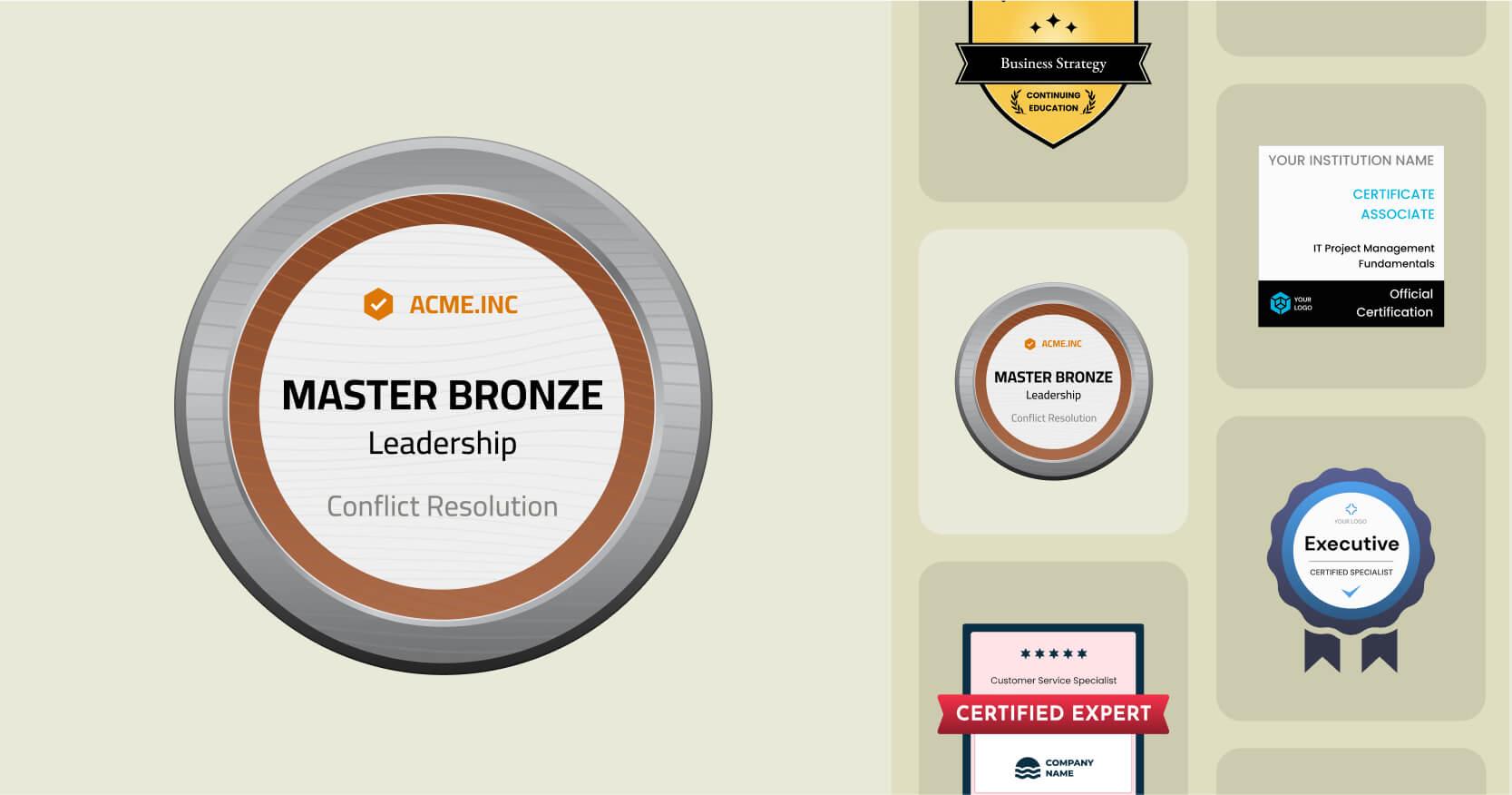
Digital Badges: Transforming How Skills and Achievements Are Recognised
Introduction to Digital Badges
In today’s fast-evolving digital landscape, the methods of recognising and verifying skills and achievements are undergoing a profound change.
Digital badges have emerged as a powerful tool to showcase competencies, encourage lifelong learning, and build digital reputations across industries.
Whether you’re a student, a professional, or an organization, understanding digital badges can give you a competitive edge in how you represent your skills and achievements online.
What Are Digital Badges?
Digital badges are visual representations of achievements, skills, and competencies earned through various learning experiences, training programs, or professional endeavours. Unlike traditional certificates,digital badges are:
- Secure and verifiable – Embedded with metadata confirming the issuer,criteria,and evidence of achievement.
- shareable online – Easily displayed on social media, LinkedIn, resumes, websites, and digital portfolios.
- Portable – Can be taken with you as you move through careers and learning opportunities.
Their increasing adoption in both education and the workplace is transforming how individuals and organizations showcase and assess skills.
The Role of Digital Badges in Modern Skills Recognition
traditional credentials like degrees and certificates frequently enough fall short of conveying specific, market-relevant skills. Digital badges address this gap by:
- Highlighting micro-credentials and specific capabilities (e.g., coding, leadership, project management).
- Providing evidence-based recognition tied to actual performance and learning outcomes.
- Supporting continuous professional development through stackable credentials.
- Enabling employers to quickly verify skills and make informed hiring decisions.
As digital badges are becoming mainstream, they empower individuals to tell a richer, more accurate story of their learning journey and professional growth.
Benefits of Digital Badges
Why are digital badges gaining popularity in both educational institutions and the corporate world? Here are some compelling reasons:
- motivation & engagement: Learners are motivated to complete tasks and gain recognition for incremental achievements.
- Detailed Skill Mapping: Badges offer granular insights into specific skills rather than broad subject mastery.
- Enhanced visibility: Easily shared on digital platforms, amplifying personal brand and professional visibility.
- Employer Confidence: Enables recruiters to verify skills quickly, reducing hiring risks.
- Lifelong Learning: Encourages individuals to pursue continuous learning and track their development over time.
- inclusivity: Recognises informal, experiential, and non-traditional learning paths, making recognition more accessible.
Digital Badges in Education
Schools, colleges, and universities are integrating digital badges into their curricula to foster engagement and support personalized learning. Popular use cases include:
- Skill-Based Assessment: Students earn badges for mastering specific competencies within a course.
- Extracurricular Activities: Badges for volunteering, leadership roles, or participation in clubs and projects.
- Career Readiness: Recognition for employability skills, digital literacy, and vocational achievements.
For educators, digital badges facilitate data-driven insights into student progress and make learning pathways more visible and motivating.
Digital Badges in the Workplace
Employers are leveraging digital badges to upskill employees, track professional development, and validate learning.
Common applications in the workplace include:
- Workplace Training: Recognition for completing internal courses or compliance training.
- Industry Certifications: Issuing badges for professional exams, product expertise, and technical skills.
- Career advancement: Employees build a portfolio of skills for internal promotions or external career moves.
This new ecosystem empowers both employers and employees to embrace lifelong learning and stay competitive in dynamic industries.
Practical Tips for Implementing Digital Badges
- Define Clear Criteria: Ensure each badge represents a specific, measurable achievement with transparent earning criteria.
- Choose the Right Platform: Use reputable badge-issuing services like Open Badge Factory, Credly, Badgr, or Moodle.
- Integrate with Existing Systems: Link badges to learning management systems (LMS), HR platforms, or e-portfolios.
- Promote Badge Value: Clearly communicate the value and meaning of each badge to learners and stakeholders.
- Provide Evidence: Attach proof of accomplishment, such as completed projects, assessments, or feedback reports.
- Encourage Sharing: Enable easy sharing on LinkedIn, websites, digital cvs, and social media profiles.
Effective implementation leads to greater adoption, trust, and impact for both issuers and recipients.
Case Studies: Digital Badges in action
IBM Skills Academy
IBM leverages digital badges to recognize employee proficiency in areas like AI,cybersecurity,and cloud computing. Since rollout, employees report increased motivation to pursue advanced training, and recruiters have easier access to validated skills during hiring.
Mozilla’s Open Badges Initiative
The Mozilla Foundation pioneered the Open Badges standard, enabling global educational providers to issue stackable badges tied to open standards.This initiative supports interoperability and widespread recognition of non-traditional learning.
University of California, Davis
UC Davis offers digital badges to students who demonstrate skills in key areas like teamwork, project management, and communication. The program has improved student engagement and helped graduates stand out to employers.
first-Hand Experiences with Digital Badges
Many learners and professionals report that digital badges have helped them:
- Receive recognition for projects and learning outside the traditional classroom.
- Land internships and jobs by showcasing verifiable skills online.
- build confidence and motivation to pursue continuous learning.
- Network more effectively by displaying badges in online communities and professional networks.
“After adding my digital badges from recent coding courses to LinkedIn,I was contacted by a recruiter who appreciated the verified skills. I landed an interview that led to my dream job!” – Maria L., Software Developer
The Future of Digital Badges
As technology advances and the job market evolves, digital badges will play an increasingly critical role in personal branding, employer verification, and lifelong learning.
The adoption of blockchain technology could further reinforce the security and credibility of digital credentials.
With new trends in artificial intelligence and remote work, demand for micro-credentials and portable skills badges will continue to rise.
Conclusion: The Power of Digital Badges
digital badges are revolutionizing how skills and achievements are recognised in education and the workplace. They offer clarity, portability, and verifiability that empower learners, educators, and employers alike.
By adopting digital badges, you not only keep pace with modern recognition trends but also unlock new opportunities for career advancement and personal growth.
if you’re looking to stay ahead in today’s competitive world,start exploring digital badges—your passport to showcasing skills and unlocking new possibilities!