
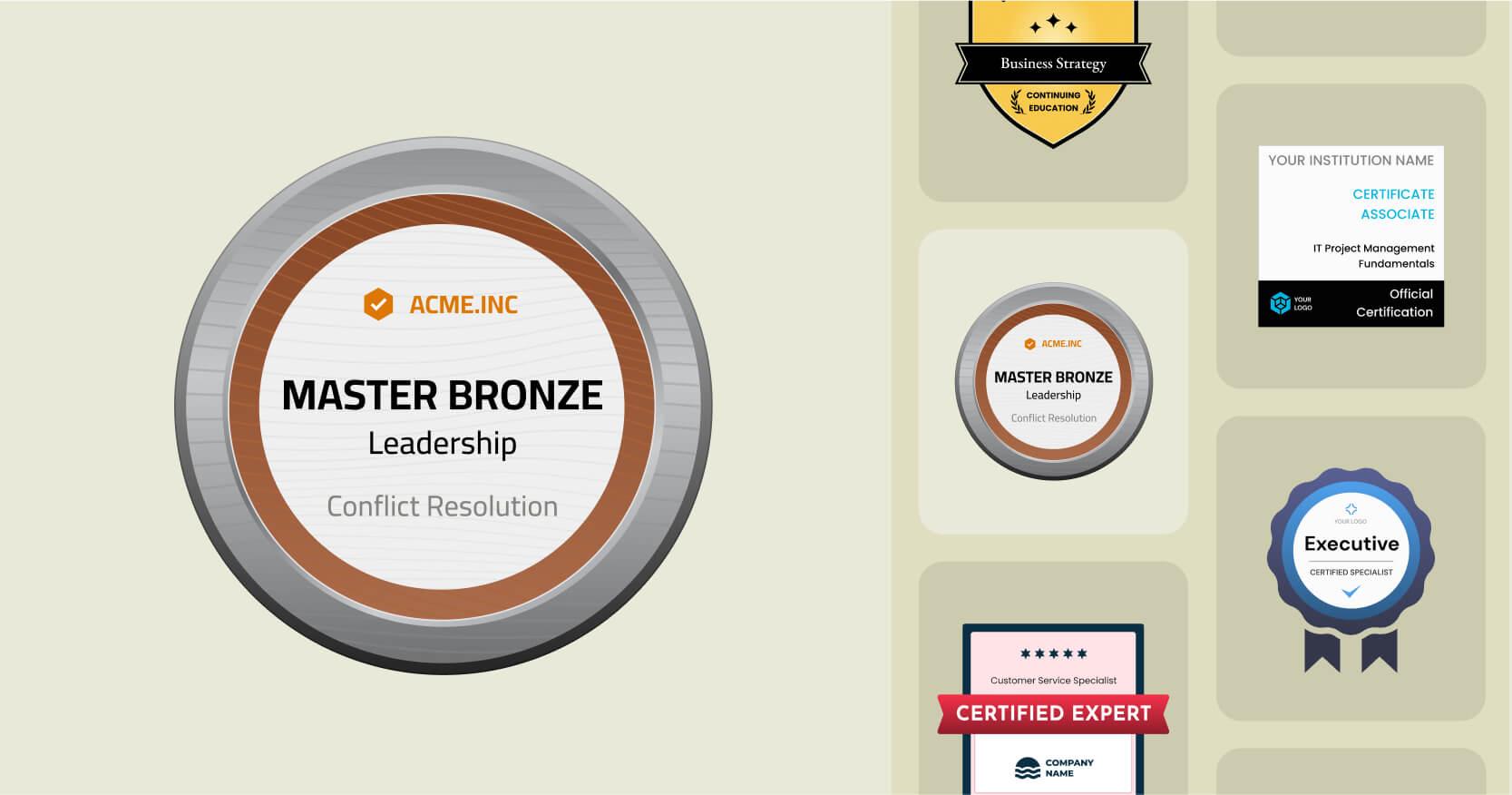
Digital Badges: Unlocking New Ways to Recognize Skills and Achievements
In today’s fast-paced digital landscape, recognizing skills and achievements has evolved far beyond customary certificates and transcripts. Digital badges have rapidly become a valuable tool for individuals, educators, and employers to showcase and validate learning experiences, competencies, and accomplishments. But what exactly are digital badges,and how are they unlocking new ways to acknowledge,motivate,and empower people across the globe?
What Are Digital Badges?
Digital badges are online representations of skills,achievements,or knowledge acquired by individuals.Unlike paper-based certificates, digital badges are shareable, verifiable, and embedded with metadata that provides context such as the issuer, the criteria required for earning them, and evidence of achievement.
- Visual badges: Unique images or icons represent the skill or achievement.
- Metadata: Information about what the badge represents,when it was issued,and by whom.
- verifiability: Badges can be authenticated by third parties, ensuring trustworthiness.
- Portability: Easily shareable across social media, résumés, websites, and professional networks like LinkedIn.
How Do Digital Badges Work?
The technology underpinning most digital badge systems follows the Open Badges standard developed by the Mozilla Foundation. When an individual earns a badge, it is issued digitally and stored in a secure “digital backpack,” such as a Learning Management System (LMS) or a badge-issuing platform (e.g., Credly, Badgr).
Earners can display their badges anywhere online, enabling peers, employers, and educators to verify achievements with a single click. This streamlines the process of skill recognition and untangles barriers that have previously limited the visibility of non-traditional or informal learning.
Benefits of Digital Badges
Implementing digital badges can transform how skills are perceived and valued, benefiting stakeholders throughout the education-to-career pathway.
For Learners and Employees
- motivation: Micro-credentials and badges incentivize ongoing learning and growth.
- Ownership: Individuals take control of their skills portfolio, curating and sharing achievements they value most.
- Career Advancement: Increase employability with verifiable, easily accessible proof of skills and competencies.
- Adaptability: Badges recognize both formal and informal learning,bridging in-class,online,and experiential education.
For Organizations and Educators
- Skill-based Hiring: Make recruitment processes more efficient and inclusive with clear evidence of applicants’ skills.
- Retention and Engagement: Badges can be used as rewards for milestones, boosting morale and loyalty.
- Personalized learning: Badges enable tracking of diverse learning paths, supporting differentiated instruction.
Case Studies: Digital Badges in Action
Education Sector
Leading universities and eLearning providers are integrating digital badges into their platforms. Such as:
- Coursera & edX: Both platforms issue digital badges and certificates upon course completion,helping students demonstrate new skills to employers.
- Deakin University (australia): Uses micro-credentials and open badges to recognize students’ co-curricular activities, such as leadership and teamwork.
Workplace recognition
- IBM’s Open Badges Program: As 2015, IBM has issued over a million badges covering both technical and soft skills, supporting employee upskilling and career growth.
- Salesforce Trailhead: Badges incentivize self-paced learning for skills in CRM, sales, and development, promoting a culture of continuous betterment.
Digital Badges vs. Traditional Credentials
While diplomas and certificates remain valuable, digital badges offer distinct advantages in terms of transparency, flexibility, and real-time recognition. Unlike printed credentials, badges are dynamic:
- Can reflect a wide range of skills, including soft skills, technical skills, and even one-off achievements.
- Include detailed, standardized information that adds context and credibility.
- Are easily updated and curated for relevancy.
- Support lifelong learning and upskilling in rapidly changing industries.
Implementing Digital Badges: Practical Tips
Start with Clear Objectives
- What skills or achievements do you want to recognize?
- Who is the target audience (students, employees, partners, etc.)?
Choose the Right Platform
Consider badge-issuing platforms like Credly, Badgr, or Open Badge Factory, which offer robust integration with Learning Management Systems and customizable badges.
Design Meaningful Badges
- Ensure visual appeal and clarity.
- Embed detailed metadata to support verification and transparency.
Promote Badge Value
- Educate recipients on how to share and leverage their badges in résumés and on social media.
- Communicate the value of badges to employers and stakeholders to ensure broad recognition.
Measure and Refine
- Collect feedback from badge earners and industry partners.
- Analyze badge issuance and sharing data to improve engagement and impact.
First-Hand Experience: Voices from the Field
“after earning a series of digital badges through my institution’s professional development program, I found it much easier to highlight my specialized skills to recruiters on LinkedIn.The validation from a reputable issuer helped boost my confidence and played a key role in landing my current job.”
— Sarah P.,Software Engineer
“Digital badges have transformed how we recognize learning in our school district. Students love collecting them,and we’ve seen a measurable increase in engagement,especially for non-traditional learners.”
— John M., High School Principal
Future of Digital Badges
With the growing demand for lifelong learning and workforce adaptability, digital badges are poised to play a critical role in skill recognition. As open standards and interoperability improve, expect to see increased adoption by K-12 schools, universities, corporations, and even governments.
- Blockchain technology could further enhance the security and legitimacy of digital credentials.
- Emerging partnerships between education providers, tech companies, and employers will drive greater badge acceptance.
- Digital badges will increasingly support skills-based hiring, reducing bias and expanding opportunities for diverse talent.
Conclusion
Digital badges represent a dynamic shift in how we recognize and communicate skills and achievements. From boosting motivation to widening access to career opportunities, their benefits touch learners, educators, and employers alike. As the world moves toward more personalized, verifiable, and accessible forms of credentialing, digital badges will continue to unlock new pathways for lifelong learning and professional success.
If you’re ready to embrace digital badges, start by identifying your goals, selecting the right platform, and communicating the value to all stakeholders. With the right strategy, digital badges can become an integral part of your skill recognition ecosystem.