
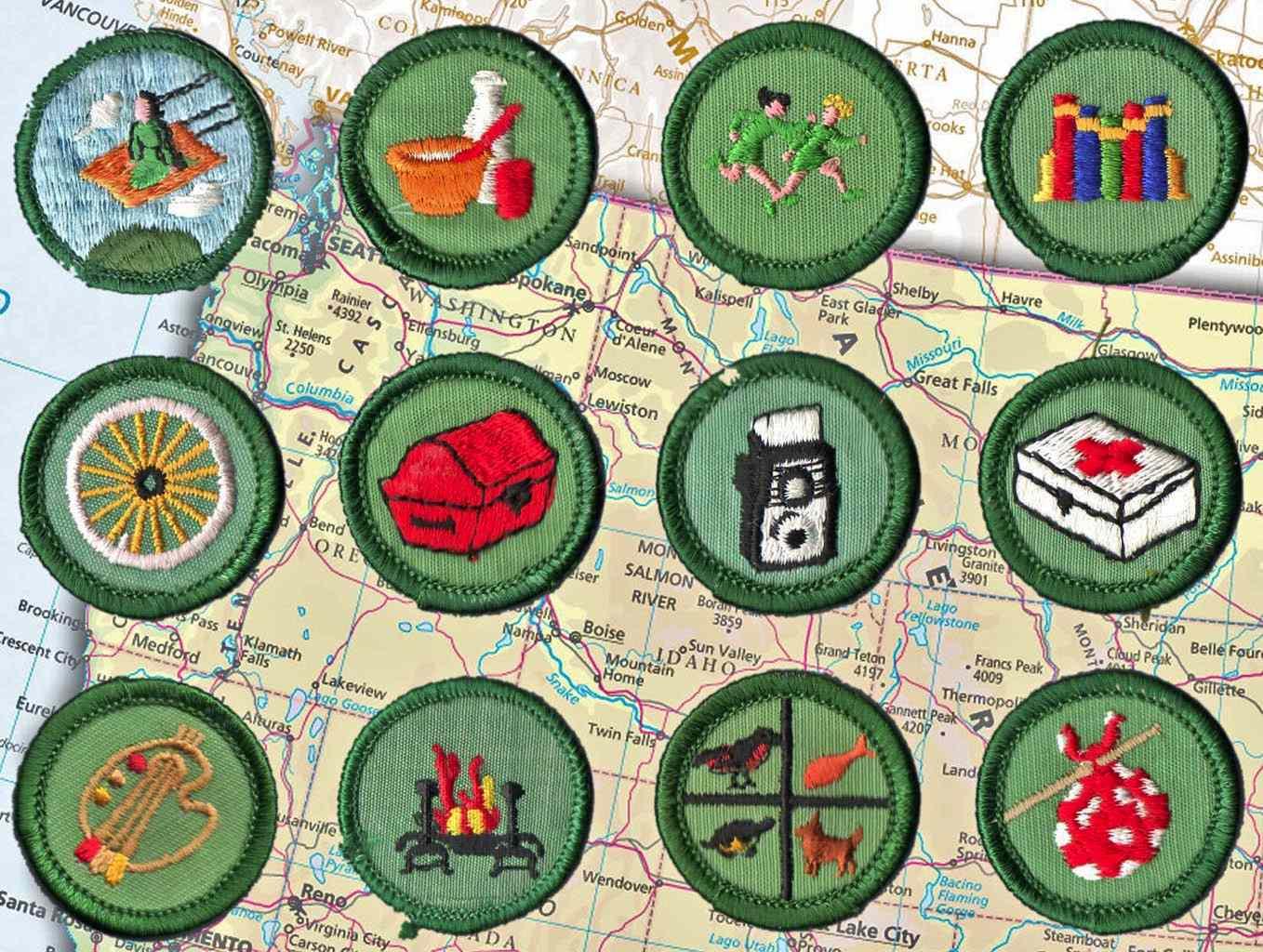
Digital Badges: Unlocking Recognition for Skills and Achievements in the Modern Era
In a rapidly evolving digital world, customary ways of showcasing skills and achievements are being reimagined. Digital badges have emerged as a powerful solution, offering verifiable, portable, and shareable recognition for accomplishments across education, the workplace, and personal growth. In this article, we’ll explore what digital badges are, how they work, their benefits, real-world applications, and practical strategies for leveraging them to boost your career or association’s visibility.
What Are Digital Badges?
Digital badges are visual representations of learned skills, milestones, or achievements earned through various learning experiences or professional activities. Unlike paper certificates or traditional credentials, digital badges are:
- Electronic and Secure: Stored online and protected from forgery wiht metadata embedded inside.
- Verifiable: Employers and institutions can easily verify issuing authority, the skills demonstrated, and the criteria met.
- Shareable: Can be added to social media, digital portfolios, resumes, LinkedIn profiles, or personal websites.
According to the IMS Global Learning Consortium, digital badges use open standards such as Open Badges, ensuring easy portability and trust across platforms.
How Do Digital Badges Work?
Earning and using digital badges involves a simple but robust process:
- Achievement: Complete an activity, pass a course, master a skill, or demonstrate proficiency.
- Issuance: An authorized organization (school, company, certification body, etc.) issues a badge with built-in metadata.
- Storage: Store badges in a secure digital backpack (often provided by platforms like Badgr or Credly).
- Sharing: Add badges to digital resumes,LinkedIn profiles,or embed them on personal websites and email signatures.
- verification: Anyone viewing the badge can click to check the issuer, criteria, and evidence, ensuring full clarity.
This ecosystem not only streamlines skills verification but also supports lifelong learning and continuous professional development.
The Benefits of Digital Badges
Digital badges are transforming how we recognize, motivate, and display learning and achievements. Here’s why they matter:
- Authentic Skill Verification: Embedded metadata provides indisputable proof of competencies, making badges more credible than traditional paper certificates.
- Enhanced Employability: Job seekers can showcase up-to-date skills on resumes and social platforms, standing out to recruiters searching for digitally relevant credentials.
- lifelong Learning Encouragement: Micro-credentials support continuous learning by rewarding smaller, incremental achievements along a career path or academic journey.
- Increased Motivation: Gamification of learning—earning badges as progress markers—inspires greater participation and deeper engagement among learners.
- recognition of Informal Learning: Digital badges acknowledge skills acquired outside formal education,such as volunteer work,workshops,or self-driven online courses.
- Flexible and Portable: Learners retain their achievements irrespective of career or organization changes,making skills and accomplishments truly portable.
“digital badges are building a new culture of recognition, breaking traditional boundaries between education, work, and personal growth.” — Dr. Carla Casilli, Digital Badge Strategist
Real-World Applications and Case Studies
Digital badges are being widely adopted across industries, schools, and organizations. Here are some leading examples:
1. Higher Education
Universities like Arizona State University (ASU) and Purdue University award digital badges for short courses, professional skills, and extracurricular involvement. students build a digital transcript accessible to employers worldwide.
2. Corporate Training
Companies including IBM have issued over 3.7 million digital badges (as of 2023) for completing technical training, certifications, and leadership programs. These badges help employees advance internally or make their expertise visible to external recruiters.
3. K-12 Education
Schools are implementing digital badge systems to motivate learners beyond grades—rewarding teamwork, digital citizenship, and critical thinking skills.
4. Professional Associations & Nonprofits
Organizations such as the American Red Cross and Mozilla (through their now-retired Open Badges project) have used badges to recognize volunteer contributions and community engagement.
Practical Tips for Earning and Using Digital Badges
- Choose Accredited Providers: Opt for digital badges from credible organizations, universities, or well-known online training platforms.
- Align with Career Goals: Seek badges relevant to your professional aspirations or skills needed for promotion.
- Maintain a Digital Portfolio: use platforms like LinkedIn or a personal website to display your badges and tell your professional story.
- Update Regularly: Continuously earn and display new badges to demonstrate ongoing skill development and stay relevant in the job market.
- Share Strategically: Highlight your digital badges in job applications, networking events, and industry forums to maximize visibility.
Digital Badges vs. Traditional Credentials
How do digital badges compare to degrees, diplomas, or paper certificates?
| Feature | Digital Badges | Traditional Credentials |
|---|---|---|
| Portability | Easily shared and verified online | Physical, harder to distribute |
| Verification | metadata ensures authenticity | Can be forged or lost |
| Granularity | Recognizes specific skills and micro-achievements | Frequently enough broad and general |
| Lifelong Learning | Supports ongoing, stackable achievement | Usually one-time awards |
First-Hand Experience: The Value of Digital Badges in career Growth
Manny professionals report seeing tangible benefits after integrating digital badges into their career strategy. For example,Sarah—a project manager in the tech industry—shared her experience:
“Adding digital badges for my Agile certifications and leadership workshops to my LinkedIn profile led to a 30% increase in recruiter contacts. The instant verification feature made a real difference in building trust.” — Sarah K., Project Manager
Stories like Sarah’s underline how digital badges don’t just decorate your resume–they actively help open doors to new opportunities and career advancement.
Practical Implementation Tips for Organizations
If you’re looking to implement a digital badge program in your school or business, consider these steps:
- define Clear Criteria: Clearly state what each badge represents and the achievements required to earn it.
- Choose the Right Platform: Use established badge-issuing solutions (like Credly,Open Badge Factory,or Badgr) that integrate well with your LMS (Learning Management System).
- Engage Stakeholders: Involve educators, managers, and learners in designing a motivating and relevant badge system.
- Promote and Reward: Publicize badge achievements via newsletters, social media, and events to maximize recognition.
- Collect Feedback: Continuously improve your badge program based on participant feedback and achievement data.
Conclusion: The Future of skill Recognition
Digital badges represent a monumental shift in recognizing, validating, and celebrating skills and achievements in the modern era. As education and careers become more dynamic and self-directed, digital badges provide a flexible, obvious, and motivating way to document and share growth.
whether you’re an individual learner, an educator, or a business leader, embracing digital badges can unlock a world of new possibilities and help build a culture of continuous learning and recognition. Start today, and ensure your skills and accomplishments stand out in our ever-connected world.