
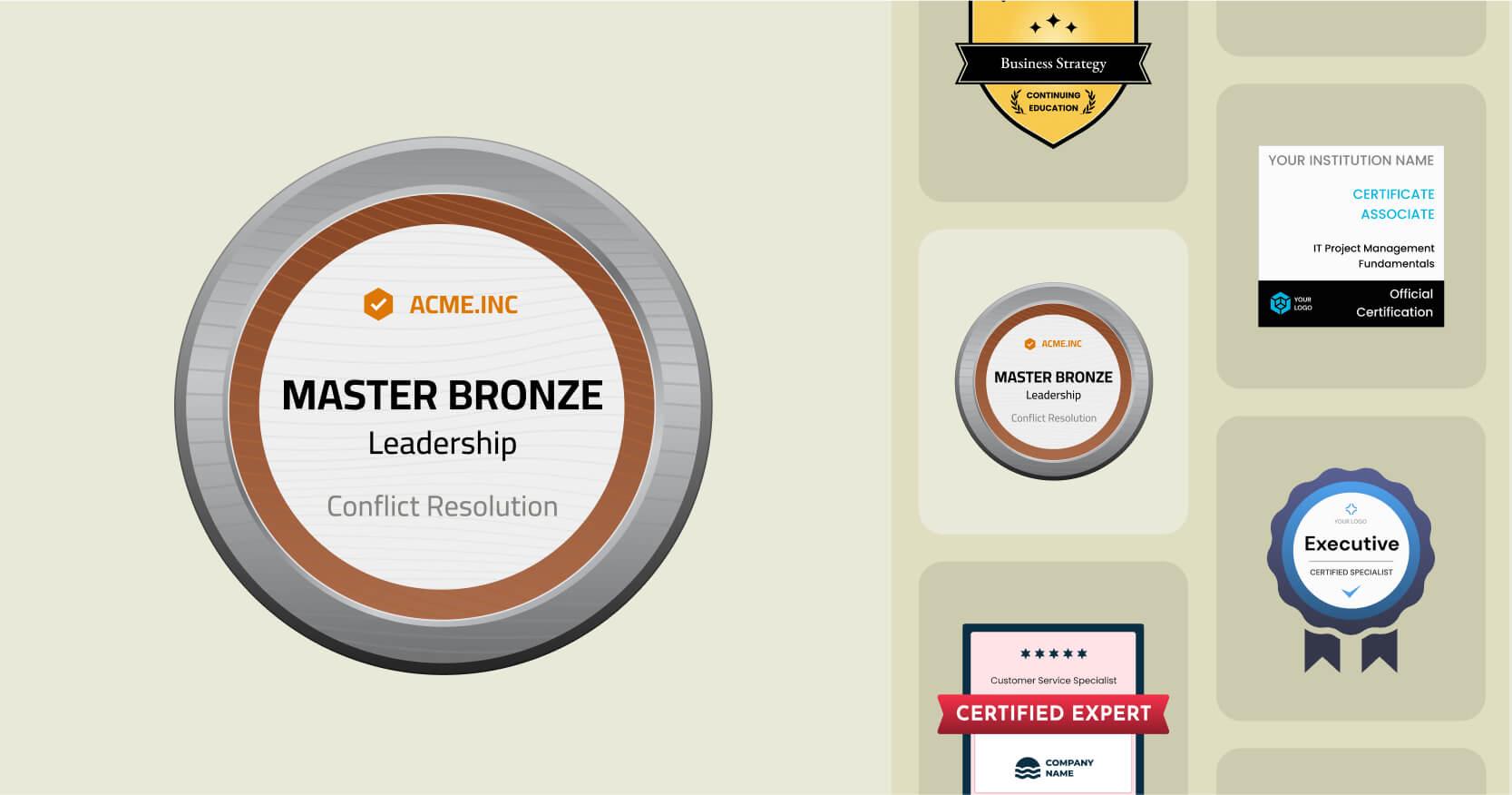
Digital Badges: Unlocking Skill Recognition and Achievements in the Modern Age
In today’s fast-paced world, the recognition of skills and learning achievements is evolving beyond traditional methods. Digital badges have emerged as game-changers, providing credible, shareable, and easily verifiable representations of competencies gained through education, training, or experience. In this comprehensive guide, we explore how digital badges are reshaping the landscape of skill recognition, their benefits, practical tips for implementation, and real-life success stories.
What Are Digital Badges?
Digital badges are electronic symbols that represent specific skills, achievements, or credentials.Unlike paper certificates, thes badges can be displayed online, embedded in resumes, LinkedIn profiles, and digital portfolios. Each digital badge contains metadata that details the skill or achievement, the issuing association, criteria for earning the badge, and verification methods.
- Visual portrayal: Engaging icons customizable for different skills or accomplishments
- Secure and verifiable: Embedded metadata ensures authenticity
- Shareable: Displayed across platforms including social media, websites, and recruitment portals
How digital Badges Work
Digital badges are typically issued by schools, organizations, or platforms such as Accredible, Badgr, or Credly. Recipients earn badges by completing specific tasks, assessments, or learning modules. The process usually involves:
- Completing a defined learning or assessment activity
- Receiving a badge with detailed facts about the achievement
- Sharing the badge via digital channels for validation and visibility
The Benefits of Digital Badges
Implementing digital badges offers notable advantages for both individuals and organizations. Let’s dive into the key benefits:
For Learners and Professionals
- Instant skill recognition: Demonstrates verified abilities instantly to potential employers or peers
- Career advancement: acts as a showcase for upskilling and continuous learning
- Personalized learning path: Encourages learners to tailor their journey based on interests and career goals
- Lifetime achievements: portable and persistent,unlike paper certificates which can be lost or damaged
For Organizations and Educators
- Improved engagement: Gamification and recognition drive higher participation in programs
- Data-driven insights: Analyze badge earning patterns for curriculum improvement
- Brand visibility: Organizational badges shared online extend marketing reach
- Better recruitment: Streamline hiring processes with verified skill credentials
Digital Badges vs.Traditional Certifications
While both certifications and digital badges serve to recognize achievements,there are clear distinctions:
| Feature | Digital Badges | Traditional Certificates |
|---|---|---|
| Portability | easily shared online | Physical document |
| Verification | Instant,digital,tamper-proof | Manual |
| Details/Criteria | Includes detailed metadata | Basic info only |
| Longevity | Saved to digital profiles | Can be lost or destroyed |
Practical Tips for Maximizing Your Digital Badges
To make the most of digital badges as a tool for skill recognition,consider these practical suggestions:
- Highlight Your Badges: Add them to your LinkedIn profile,personal website,and professional social media accounts.
- Keep Metadata Accurate: ensure each badge includes precise details about the skill,achievement date,and issuing organization.
- Cluster for Impact: Group related badges into collections that tell your unique learning story.
- engage in Lifelong Learning: Seek new badges to demonstrate the evolution of your expertise.
- Verify Badge Platforms: Choose platforms aligned with industry-recognized standards like Open Badges.
Case Studies: Digital Badges in Action
1. IBM’s Open Badges initiative
IBM has issued over one million digital badges to employees and learners worldwide. Through its interactive development programs, IBM uses digital badges to certify skills in areas such as artificial intelligence, cybersecurity, and cloud computing.These badges have increased employee motivation, improved retention, and enhanced the organization’s reputation for driving digital transformation.
2. Mozilla’s Open Badges Project
Mozilla pioneered the Open Badges standard to allow anyone, anywhere to earn, issue, and display their badges. Educational institutions, nonprofits, and tech companies now use this interoperable framework to authenticate skills and learning outcomes across borders and industries.
3. universities Embracing Micro-Credentials
Leading universities, such as the University of California, San Diego and Deakin University, have integrated digital badges into their curricula, giving students micro-credentials for specific skills, soft competencies, and participation in extracurricular activities. These badges have streamlined job applications and helped recruiters quickly identify qualified candidates.
First-Hand Experience: The Power of Digital Badges
Imagine completing a challenging online course on project management and receiving a digital badge.You add this badge to your LinkedIn profile, and it’s instantly visible to recruiters, colleagues, and friends. The badge links to verified details about the course content, your assessment scores, and the issuing authority.
“After I started displaying my digital badges from various professional certifications,interview calls tripled,and I was able to communicate my skills more effectively to hiring managers.”
– Sarah K., Marketing Specialist
Digital badges not only make your achievements visible and credible but also foster confidence in your growing skillset.
Implementing Digital Badges in Your Organization
Organizations looking to adopt digital badge programs should keep these steps in mind:
- Define skill outcomes and criteria for earning badges
- Select a digital badge platform with robust verification and sharing capabilities
- Align badges to recognized standards (such as Open Badges)
- Communicate the value of badges to learners and employees
- Encourage sharing and peer recognition for earned badges
Triumphant implementation provides a scalable, cost-effective way to build professional trust and elevate talent within your organization.
SEO Tips: Optimizing Your Digital Badge Content
- Use targeted keywords: Focus on terms like digital badges, skill recognition, digital credentials, and micro-credentials.
- Leverage rich snippets: Integrate badge icons, metadata, and verification links for search engines.
- Create dedicated badge pages: For each badge or badge collection, offer detailed context and relevant SEO metadata.
- backlink strategies: Partner with badge issuers and professional organizations to cross-link badge pages.
Conclusion: Embracing Digital badges for the Modern Age
Digital badges represent the future of skill recognition, professional achievements, and lifelong learning. As workforces become increasingly global and digital, these badges provide transparent, verifiable, and highly marketable evidence of talent. Whether you’re an individual looking to stand out in a crowded job market or an organization striving to recognize and promote skills,digital badges offer an unparalleled opportunity to unlock the power of modern achievement.
Start your journey today – embrace digital badges and transform the way you validate and showcase your skills in the modern age!