
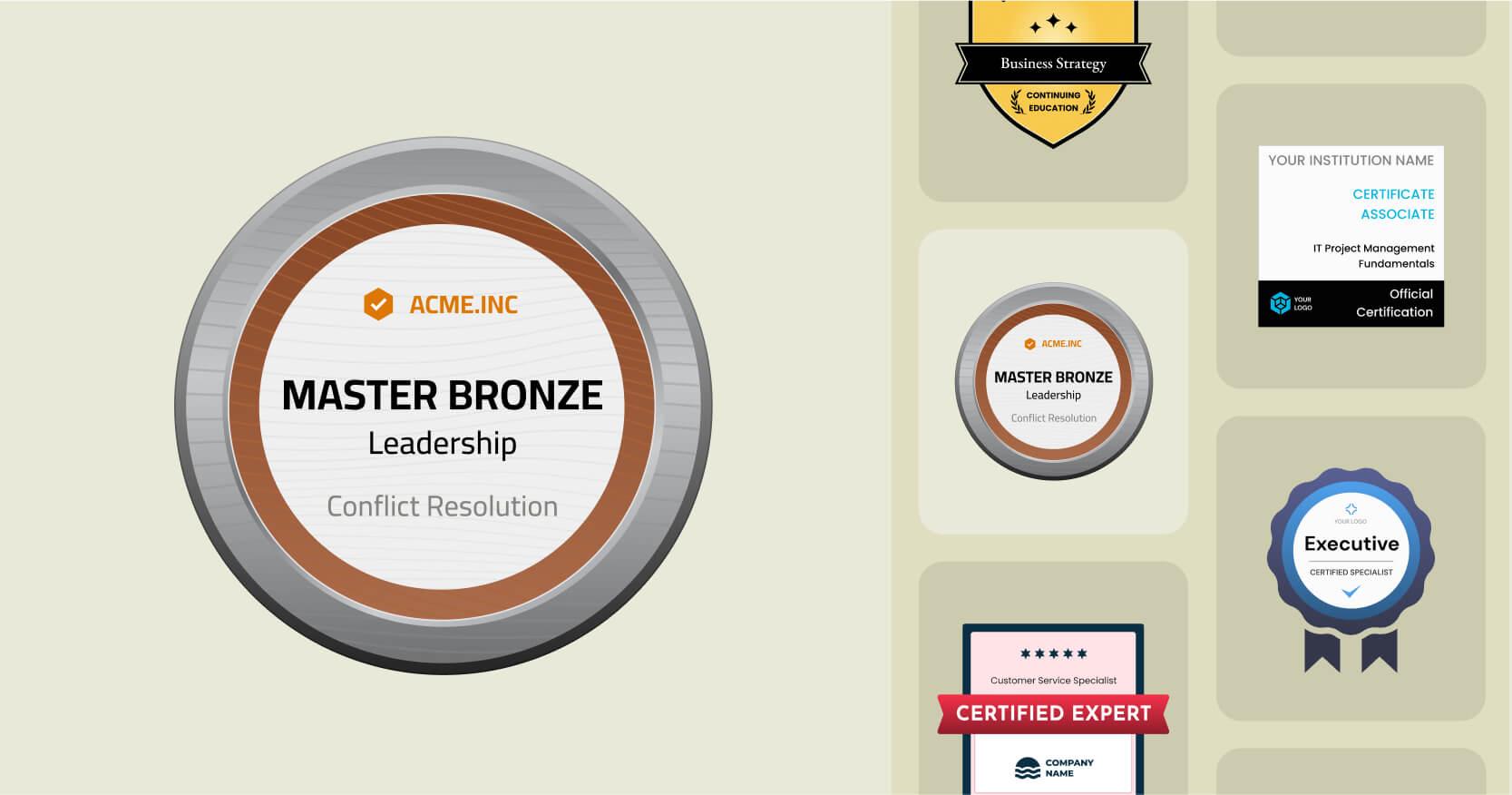
Digital Badges: Unlocking skills and Recognizing Achievements in the Modern World
Digital badges are rapidly transforming the way we recognize, validate, and showcase skills in today’s digital age. Whether you are a student, educator, job seeker, or employer, understanding the power of digital badges can help you unlock new opportunities for growth and success.
What Are Digital Badges?
Digital badges are visual, web-enabled representations of knowledge, skills, or achievements that can be earned, shared, and verified online. Unlike traditional certificates, digital badges contain detailed metadata about who earned the badge, what it represents, when it was awarded, and the criteria required to obtain it.
- Portable: Easily shared on digital resumes, LinkedIn, and personal websites
- Verifiable: embedded metadata proves authenticity and criteria
- Stackable: Collect badges from different sources to build complete skill profiles
- Inclusive: Recognize formal and informal learning, including micro-credentials
The Importance of Digital Badges in the Modern World
The traditional approach to recognizing achievements often relies on paper certificates and degrees—credentials that can be difficult to verify and don’t always capture the full range of an individual’s capabilities. In the digital-first world, digital badges bridge this gap by providing a transparent and secure method of skill validation, making it easier for individuals to demonstrate what they know and can do.
As recruitment and education shift towards competency-based models, digital badges empower learners and professionals to showcase continuous advancement and lifelong learning in a way that is instantly accessible to employers, educators, and peers worldwide.
How Digital Badges Work
Digital badges function through trusted issuing platforms that authenticate and store badge information. when a badge is earned, it’s added to a digital backpack or profile, where it can be managed and shared across various platforms.
- Criteria Definition: The badge issuer establishes clear,transparent criteria and evidence requirements.
- Learning and Assessment: Individuals complete tasks,courses,or assessments that demonstrate competency.
- Badge Issuance: Upon verification, the badge is awarded digitally and includes metadata such as issuer, date, and skills attained.
- Sharing and Verification: earners can display badges on various platforms. Employers and educators can verify the badge details via embedded metadata links.
This process ensures clarity and trust in the skills being validated, benefitting learners, employers, and educational institutions alike.
Benefits of Digital Badges
- Increases Employability: Digital badges make specific achievements and skills highly visible to potential employers, improving job prospects.
- Encourages Lifelong Learning: The ability to earn new badges motivates ongoing learning and skill development.
- Fosters Skills-Based Recognition: Focuses on competencies rather than just formal education credentials.
- Facilitates Networking: Badges can be shared on social media and professional networks, attracting new connections and opportunities.
- Increases Transparency: Metadata and evidence ensure that badges reflect real, validated skills.
- Enhances Educational Engagement: Students become more motivated to complete learning objectives and micro-credentials.
- Promotes Diversity: Recognizes formal, informal, and non-traditional learning pathways.
Practical Tips: How to Use Digital Badges Effectively
- Choose Accredited Issuers: Ensure badges come from reputable organizations or recognized industry bodies.
- Showcase Badges: Add digital badges to your LinkedIn profile, online portfolio, or digital resume to catch recruiters’ attention.
- Stack Badges: Collect multiple badges to build a comprehensive profile of skills and achievements.
- Verify Badge metadata: Always check the badge’s metadata to confirm its validity before sharing.
- Align Badges to Career Goals: Pursue badges that match your professional interests and personal development path.
- Promote Sharing within Your Network: Don’t be shy—use your badges as conversation starters and proof of your expertise.
Real-World Examples: Digital Badges in Action
Case Study 1: IBM’s Digital Badge Program
A pioneer in digital credentialing, IBM introduced its digital badge program to encourage professional development among its employees and the broader IT community. In just a few years, IBM has issued millions of badges across high-demand fields such as data science, AI, and cybersecurity.These badges provide real, industry-recognized value, which helps badge earners advance within IBM or gain credibility with other companies.
Case Study 2: Mozilla Open Badges
Mozilla championed the Open Badges standard, an open-source project promoting interoperability and transparency in digital badge ecosystems. Through Open Badges,thousands of educational institutions and non-profits worldwide have been able to issue,collect,and verify micro-credentials,creating opportunities for learners of all backgrounds.
Personal Experience: Gaining an Industry Badge
“As a project manager, earning a digital badge in Agile Methodologies from a leading association gave me a competitive edge. I added it to my LinkedIn profile, and recruiters began reaching out directly about relevant job opportunities.The badge was the verification they needed to know I had practical, up-to-date skills.”
Implementing Digital Badge Programs: best Practices for Organizations
For schools, training providers, and businesses looking to implement or adopt digital badge programs, consider the following best practices:
- Define Transparent Criteria: clearly outline the skills, knowledge, and behaviors being assessed and how they are measured.
- Leverage Open Standards: Use widely accepted frameworks such as the Open Badges standard to maximize portability and verification.
- Involve Stakeholders: Engage educators,industry partners,and learners in badge development to ensure relevance and value.
- Ensure Continuous Feedback: Regularly review and update badge criteria to align with evolving skills needs.
- Promote Recognition: Encourage badge earners to share and celebrate achievements, building a culture of accomplishment.
The Future of Digital Badges
As work and education continue to evolve, digital badges are set to become an increasingly important part of how skills and achievements are recognized and communicated. With digital badges, individuals can take control of their personal and professional development, while organizations can identify and nurture talent more effectively.
Emerging trends include:
- Integration with Blockchain: To further verify credentials and prevent fraud.
- Automated Skill Mapping: AI-driven systems matching badges to job openings and career pathways.
- global Standardization: Increased use of international standards for skill verification and recognition.
- Personal Learning Passports: Digital portfolios that combine badges,certificates,and degree credentials into a single,portable profile.