
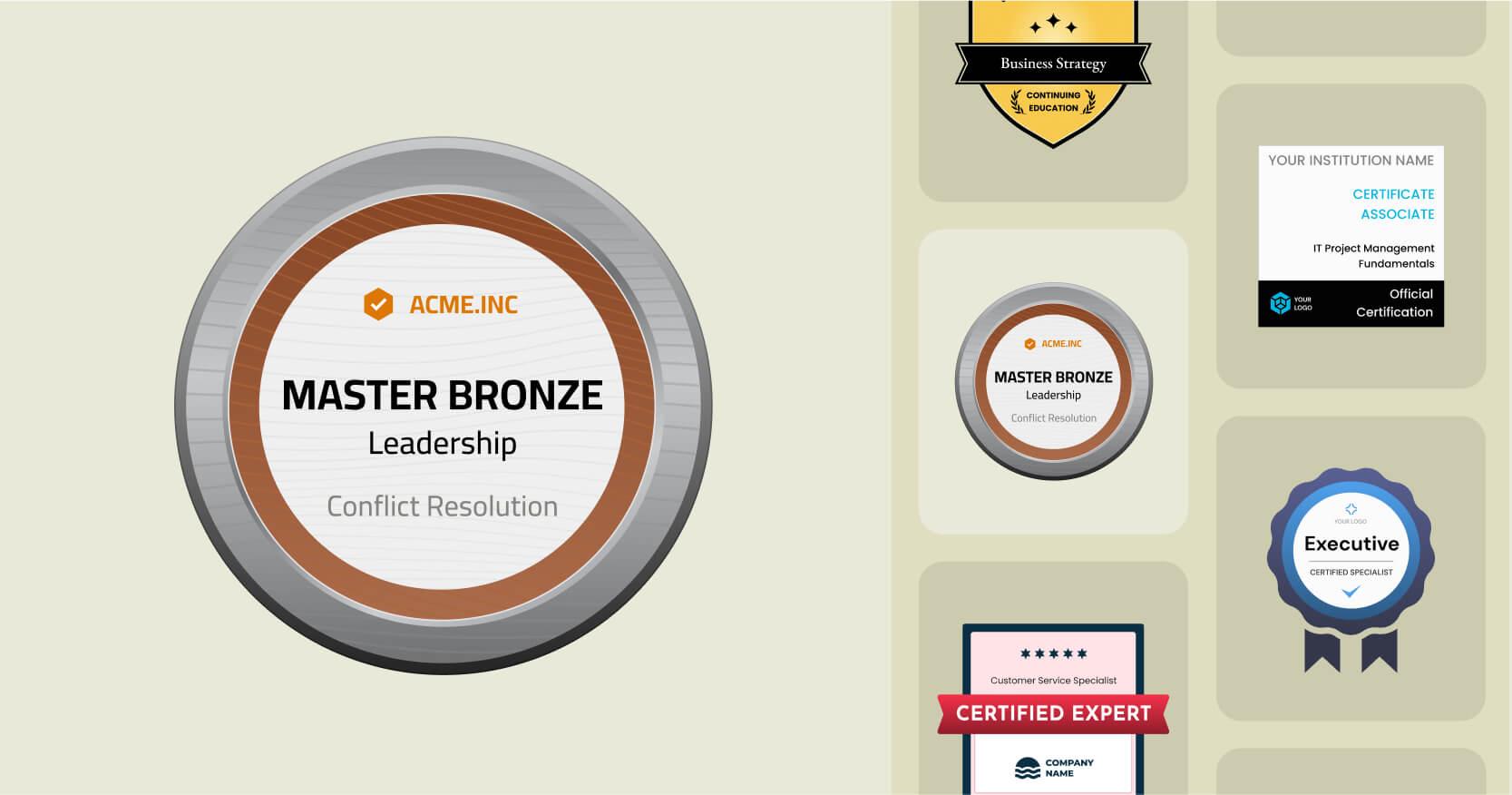
Digital Badges: Unlocking Skills Recognition and Showcasing Achievements
In the dynamic landscape of education and professional progress, digital badges have rapidly emerged as vital tools for recognizing skills and showcasing achievements.With organizations and institutions embracing digital credentials, individuals now have innovative opportunities to prove their expertise and stand out in competitive environments.
What are Digital Badges?
digital badges are verified, visual tokens of achievement or skill that can be displayed online. Unlike customary certificates, digital badges leverage technology to offer authentication, portability, and detailed metadata. Each badge is embedded with information about the badge issuer, the criteria for earning it, and the evidence of accomplishment, making it easy to verify and share.
- Credibility: Issued by reputable organizations, educational institutions, or companies.
- Transparency: Include metadata such as skill description, date earned, and links to supporting evidence.
- Shareability: Can be displayed on LinkedIn, personal websites, digital portfolios, and resumes.
The importance of Skills Recognition in a Digital Era
As workforce demands shift rapidly, employers and educators alike seek reliable ways to recognize and validate a wide range of competencies. Digital badges offer an immediate solution for:
- Micro-credentialing: Allowing learners to earn recognition for smaller units of learning or specific skills.
- Continuous learning: Empowering individuals to upskill and showcase new abilities as they learn.
- Job market visibility: Providing evidence of capabilities to recruiters and hiring managers worldwide.
Benefits of Digital Badges for Individuals and Organizations
- Motivation: Set and achieve learning milestones with instant recognition.
- Skill-based portfolios: Curate a diverse set of credentials beyond traditional degrees.
- Enhanced career prospects: Digital badges help you stand out to employers searching for proven skills.
- Networking: Connect with other badge holders or professionals in similar fields.
For Organizations:
- Alignment with business needs: Assess and recognize targeted competencies within teams.
- Brand building: Enhance reputation as a forward-thinking issuer of modern credentials.
- Employee engagement: Foster a continuous learning culture with visible rewards.
Real-World Applications of Digital badges
Digital badges are utilized across various sectors, from education and technology to healthcare and business. Here are a few prominent examples:
- Educational Institutions: Universities like Open Badge Network and Coursera provide badges for completing online courses, signifying mastery of relevant topics.
- Tech Companies: Giants such as IBM and Microsoft issue digital badges for technology certifications, validating in-demand expertise.
- Professional Organizations: Project Management Institute (PMI),American Nursing Association (ANA),and others offer badges for members demonstrating commitment to professional development.
How Digital Badges Foster Lifelong Learning
Learning doesn’t stop at graduation.Digital badges make lifelong learning tangible and accessible:
- Skill stacking: Earn badges for distinct skills, building a comprehensive skillset over time.
- Custom learning paths: Pursue non-linear education based on career goals and interests.
- visible progress: Regularly update your credentials as you grow and keep relevant in your profession.
Case Studies: Success Stories in Digital Badge Adoption
Case Study 1: IBM’s Skills Recognition Initiative
IBM has established one of the largest digital badge programs in the tech industry. By offering badges for everything from cybersecurity to cloud computing, IBM ensures that employees and learners have a portable, verified way to showcase expertise. The results? Increased employee engagement, accelerated skill acquisition, and easier sourcing of qualified talent for internal mobility.
Case Study 2: The Open University and Badge Empowerment
The Open University integrated digital badges across it’s online courses to encourage student participation. Learners reported a greater sense of achievement and motivation—while employers gained tools to assess applicant skills beyond traditional transcripts.
Case Study 3: Mozilla open Badges Impact
Mozilla Open Badges played a pioneering role in developing a global standard for digital badge systems. Their framework emphasizes interoperability, meaning badges can easily move between platforms. This revolutionized how informal and formal learning achievements are tracked and shared globally.
Practical Tips for Leveraging Digital Badges
Maximizing the impact of your digital badges goes beyond earning them. Here’s how you can effectively use and curate your badges:
- Be Selective: Focus on earning badges that align with your career objectives or demonstrate transferable skills.
- Verify Credibility: Choose badges issued by recognized authorities to gain maximum employer trust.
- Curate Your Digital portfolio: Use platforms such as LinkedIn, Credly, or personal websites to showcase badges.
- Stay Updated: Regularly seek out new learning opportunities to add fresh badges, keeping your profile relevant.
- Engage Communities: Participate in badge communities to network, learn, and access more resources.
How to Integrate Badges with Your WordPress Website
Displaying digital badges on your WordPress website is a strategic way to boost your professional brand. Consider integrating badge widgets using plugins or embedding badge images with links that verify your credentials.
- BadgeOS – Create and manage badges directly from your WordPress dashboard.
- WPBadger – Issue and display Open Badges in your site’s profiles or posts.
- custom HTML blocks – Embed verified badge images with clickable links.
Digital Badges vs. Traditional Certificates
| Aspect | Digital Badges | Traditional Certificates |
|---|---|---|
| Authentication | Easily verified online | Manual or limited, often paper-based |
| Portability | Shareable on social media, websites | Physical or scanned copies onyl |
| Detail & Metadata | Contains rich data about the achievement | Limited description, often just a title |
| Engagement | Encourages ongoing skill acquisition | Often static and one-time |
First-Hand Experience: A Learner’s Outlook
“When I completed my first Python course online, receiving a digital badge was more than just a reward—it was a verified, shareable mark of my progress. I added it to my LinkedIn profile instantly. Recruiters took notice, and during interviews, my badges provided conversation starters about my learning journey and commitment to self-improvement.”
Digital badges instill pride, foster motivation, and provide measurable indicators of growth that both employers and fellow learners value.
Challenges and Future Trends in Digital Badging
While digital badges present numerous advantages, they also pose challenges:
- Standardization: Ensuring that badges from different issuers are recognized and valued equally.
- Quality assurance: Avoiding “badge inflation” by maintaining rigorous criteria for earning them.
- Integration: Seamless badge display and verification across platforms and applications.
The future is promising. Advances in blockchain technology and interoperability standards are addressing current hurdles, while organizations continue to expand the use of digital badges for lifelong learning, workforce development, and global credentials.
Conclusion: Embracing Digital Badges for Skills Recognition
In an age where skills,flexibility,and continuous education are vital,digital badges unlock a world of possibilities for both individuals and organizations. Whether you’re an educator seeking innovative ways to motivate learners or a professional striving to advance your career, digital badges provide transparent, verifiable, and instantly accessible perks that traditional certificates cannot match.
Take charge of your learning journey—explore digital badges, showcase your achievements, and open doors to new opportunities.
Interested in integrating digital badges into your personal branding or organization? explore further about badge ecosystems, credible issuers, and the latest trends in digital credentials.