
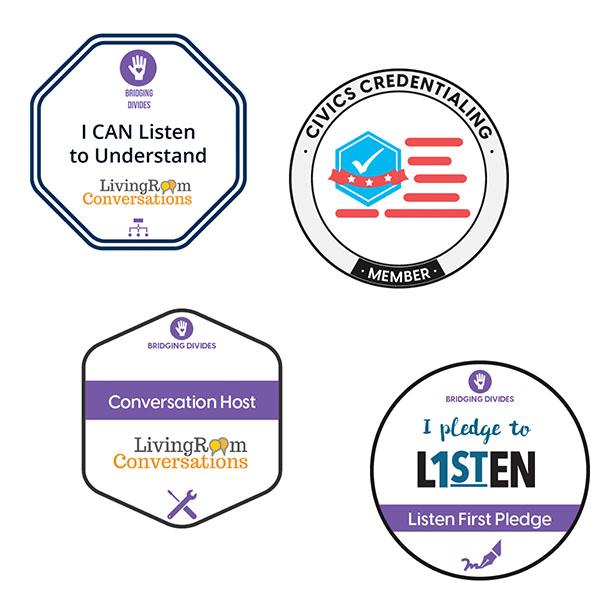
Digital Badges: Unlocking the Future of Skill Recognition and achievement
In todayS rapidly evolving digital economy, digital badges have emerged as a powerful tool for skill recognition and achievement. Whether you are an educator, employer, or lifelong learner, understanding how digital badges can transform the way we validate, showcase, and discover skills is crucial. This in-depth guide explores what digital badges are, their myriad benefits, implementation best practices, and their impact across education, corporate training, and professional progress.
What are Digital Badges?
Digital badges are virtual representations of a skill, achievement, or credential earned by an individual. Unlike customary certificates, digital badges are interactive, verifiable, and often contain metadata detailing the learning path, criteria, and issuer. They offer a modern, portable solution to credentialing, making it easier to share and verify skills on platforms like LinkedIn, digital portfolios, and resumes.
Key Features of digital Badges:
- Metadata: Each badge stores data about the skill, issuing body, date of achievement, and evidence of mastery.
- Portability: Shareable across different platforms, including professional social networks and personal websites.
- Verification: Can be easily authenticated, reducing fraud or misrepresentation.
- Micro-credentials: Represent discrete learning outcomes—ideal for capturing ongoing, incremental skill growth.
Why are Digital Badges Critically important?
As industries and technologies shift, the need for personalized skill recognition becomes paramount. Traditional degrees and certificates often lack the specificity required by employers or project stakeholders. Digital badges bridge this gap by providing flexible, granular evidence of competency-based learning.
Benefits of Digital Badges
- Increased Motivation: Learners are incentivized to complete courses and master new concepts through immediate recognition.
- Enhanced Employability: Job seekers can demonstrate job-relevant competencies confidently and efficiently.
- streamlined Recruitment: employers can quickly filter and validate applicants’ specific skills using badge metadata.
- Lifelong Learning: Badges support ongoing education by tracking continuous learning and upskilling.
- Social Sharing: Digital badges can be showcased on LinkedIn, Twitter, and other digital platforms for maximum visibility.
- Verifiable Credentials: Reduces fraudulent claims and enhances trust between stakeholders.
How Do Digital Badges Work?
The digital badge ecosystem comprises three major components: the issuer (e.g., universities, companies, training organizations), the earner (the individual), and third-party verification platforms. The badge is awarded after meeting specific criteria, which may include exams, coursework, projects, or peer assessment.
workflow of a Digital Badge:
- Learner enrolls in a course, training, or skill-based program.
- Upon triumphant completion,the issuer awards a digital badge.
- The badge, containing rich metadata and evidence, is stored in a digital wallet or badge platform.
- The earner can display or share the badge on resumes, social accounts, or job applications.
- Employers or third parties can verify the badge’s authenticity instantly.
Popular Platforms for Digital badges
- Credly (by Pearson) – One of the leading digital credentialing platforms globally.
- Mozilla Open Badges – An open standard supporting interoperability and badge sharing.
- Badgr – Used by institutions and organizations for large-scale credential management.
- Acclaim – empowers learners and professionals to promote their skills effectively.
These platforms offer integration with learning management systems (LMS), social media, and HR software, ensuring digital badges are easy to manage and showcase.
case studies: Digital Badges in Action
IBM’s Digital Badge Program: IBM awarded over 2 million digital badges recognizing expertise in cloud, AI, and data science. Internal surveys found a 43% increase in employee engagement and a 29% boost in workforce upskilling.
University of California, irvine (UCI): UCI integrated digital badges into several continuing education programs, giving adult learners tangible, stackable micro-credentials that helped boost job placements by 18%.
Salesforce Trailhead: Salesforce’s gamified learning platform leverages digital badges to reward technical and soft skills, leading to over 2 million badges earned, and improving overall course completion rates.
Best Practices for Implementing Digital Badges
- Define Clear Criteria: Every badge should have transparent, meaningful requirements linked to specific, demonstrable skills.
- Collaborate with Industry: Ensure badges reflect the current demands of employers and market trends.
- Automate Issuance: integrate badge platforms with your LMS for seamless,real-time badge awarding.
- Promote Social Sharing: Encourage learners to share badges via LinkedIn and other professional networks to increase badge value and visibility.
- Evaluate & improve: gather feedback from earners and employers to refine your digital badge program regularly.
Tips for Learners to Maximize Digital Badge Value
- Regularly update your digital profiles with newly earned badges.
- Highlight badges most relevant to your career goals on your resume and cover letters.
- Combine several badges to create a visible learning pathway or skill portfolio.
- Network with other badge earners to discover new learning opportunities and career prospects.
Challenges and Considerations
While digital badges offer transformative benefits, some challenges persist:
- Standardization: Ensuring uniformity and acceptance across sectors can be tough.
- Over-badging: Too many badges with minimal value can undermine credibility.
- Privacy and Data Security: Handling sensitive learner data with utmost security and transparency.
- Learner Engagement: Crafting badges that motivate without turning learning into a meaningless ‘badge hunt’.
Organizations must strategically design and implement badge ecosystems to provide real, lasting value to all stakeholders.
The Future of Digital Badges and Skill Verification
As the demand for micro-credentials, lifelong learning, and skills-based hiring intensifies, digital badges are set to play a pivotal role in both academia and the professional world. We can expect further innovation in blockchain-based verification, AI-driven badge pathways, and even integration with virtual reality (VR) and augmented reality (AR) training experiences.
With the global workforce gravitating towards personalized learning and demonstrable skills, adopting digital badges can provide a distinct advantage for individuals and organizations alike.
Conclusion
Digital badges are more than just digital stickers—they are dynamic,trustworthy symbols of expertise and accomplishment in the modern era. whether you’re upskilling for a new career, enhancing your institution’s offerings, or seeking innovative methods to track professional growth, leveraging digital badges can unlock exciting opportunities. By embracing this future-centric model of skill recognition and achievement, you ensure that your talents and progress are visible, verifiable, and valued in an increasingly competitive world.
Start your journey today—explore digital badges and empower yourself or your institution to stand out in the digital age.