
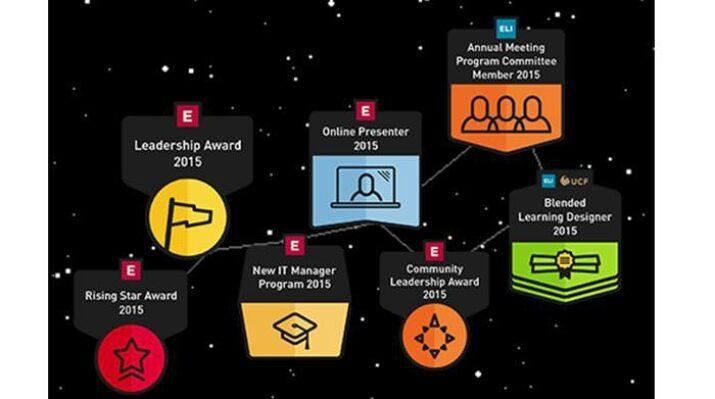
Digital Badges: unlocking the Future of skills Recognition and Achievement
Digital badges have rapidly transformed the way individuals, educators, and employers approach the recognition of skills and achievements. By providing a modern,visually engaging,and verifiable way to showcase accomplishments,digital badges are unlocking the future of skills recognition,making it easier than ever to display competencies in both education and the workplace. In this complete guide, we’ll explore what digital badges are, why they matter, and how you can leverage their potential for personal and professional growth.
What Are Digital Badges?
At their core, digital badges are online credentials that represent learned skills, completed courses, or achieved milestones. unlike traditional paper certificates, digital badges are:
- Digital: Easily shared and embedded online, on social media profiles, e-portfolios, and resumes.
- Verifiable: Contain metadata about the issuer, recipient, criteria for earning, and evidence of qualifications.
- Portable: Recognized across different platforms, industries, and educational institutions.
Powered by technologies such as Open Badges—an open standard developed by Mozilla—digital badges are becoming the universal language for skills recognition and achievement.
Why Are Digital Badges Crucial?
With the modern workforce evolving and traditional qualifications frequently enough falling short in communicating nuanced competencies,digital badges offer powerful advantages:
- Real-Time Skills Recognition: Badges instantly validate unique abilities as they are learned,keeping portfolios up-to-date.
- Micro-Credentialing: Recognize a wide spectrum of achievements, from soft skills to technical expertise.
- Increased Visibility: Widely shareable badges give learners and professionals greater exposure and improve employability.
- motivation and Engagement: Earning badges delivers tangible goals and instant feedback, fueling learning momentum.
Benefits of Digital Badges for Learners and Organizations
Learners
- Showcase diverse skills: Go beyond degrees by proving mastery in real-world competencies.
- Increase employability: Stand out in the job market with badges that visually communicate expertise.
- Document lifelong learning: Build a digital portfolio to track skills and continuous development across a career.
- Empower ownership: Learners control their credentials, distributing them across multiple platforms and networks.
Organizations
- Verify skills at a glance: Simplify hiring and professional development with obvious validation of qualifications.
- Tailor learning programs: Recognize a broader spectrum of employee achievements and skill gaps.
- Increase motivation: Boost learner engagement in training initiatives through gamification and badge rewards.
- Brand visibility: Display badges as a mark of quality for partners, clients, and potential recruits.
How Digital Badges Work: The Technology Behind the Trend
Digital badges leverage cutting-edge technology to ensure credibility and portability:
- Metadata: Each badge holds data about the issuer, recipient, issue date, expiration (if any), criteria for earning, and evidence such as project links or assessments.
- Open Standards: Platforms like Open Badges by 1EdTech ensure badges can be issued, shared, and verified across systems globally.
- digital Wallets: Recipients manage badges within digital wallets or e-portfolios, sharing them anywhere online.
- Security Features: Badges are tamper-proof and verifiable in real time, reducing fraud and increasing trust.
Popular platforms such as Credly, badgr, and Acclaim facilitate seamless badge issuance and sharing for organizations of all sizes.
practical Tips for Using Digital Badges Effectively
To maximize the benefits of digital badges—whether you’re a learner, educator, or organization—consider these best practices:
- Integrate with Learning Pathways: Use badges to map progression in online courses, workshops, and professional training.
- Align with Industry Standards: Partner with industry bodies to ensure badges meet recognized criteria.
- Showcase Badges Widely: Embed badges on LinkedIn,digital resumes,personal websites,and email signatures.
- Encourage Peer Validation: Allow educators and industry experts to endorse badges for added credibility.
- Keep Evidence Updated: Attach portfolio pieces, projects, and testimonials to enhance the badge’s proof of achievement.
Case Studies: Digital Badges in Action
many leading organizations and educational institutions are harnessing the power of digital badges to reshape skills recognition. Hear are a few compelling examples:
- IBM: The tech giant has issued millions of digital badges through its global learning initiatives, enabling employees and learners to demonstrate expertise in areas like cloud computing and cybersecurity. IBM reports improved employee retention and upskilling.
- Mozilla: As part of its commitment to open learning, Mozilla uses digital badges to certify contribution to open-source projects, encouraging lifelong learning among developers.
- university of California, Davis: UC Davis employs digital badges to recognize student achievements in online continuing education, helping learners bridge the gap between academia and industry.
these real-world applications highlight how digital badges are addressing critical needs in workforce development, talent acquisition, and lifelong learning.
First-Hand Experience: A Learner’s Perspective
Jane Smith, a web developer from New York, recalls:
“When I completed a coding bootcamp, I received a digital badge for my front-end development skills. Within weeks, I showcased the badge on LinkedIn and my personal website. Recruiters promptly took notice, and I landed interviews with major tech companies. The badge wasn’t just a digital image—it was a detailed, verified record of what I could do.”
This real-world experience underlines the impact of digital badges on career advancement and personal branding.
Future Trends in Digital Badges and Skills Recognition
As the workforce and educational landscapes continue to evolve, digital badges are expected to play a critical role in:
- Micro-credentials and Stackable Learning: Learners can combine multiple badges to create a robust learning pathway and qualify for higher-level certifications and degrees.
- Blockchain Verification: Blockchain technologies are enhancing the security and permanence of digital credentials, making fraud nearly impossible.
- Personalized Learning Paths: Adaptive learning systems will award digital badges based on individual progress and interests, leading to more tailored development.
- Global Recognition: International partnerships will establish universal standards for badges, strengthening their value across borders.
The adoption of digital badges is onyl expected to accelerate, driven by a demand for accessible, equitable, and transparent skills recognition.
Conclusion: Embrace Digital Badges for Lifelong Learning and Achievement
Digital badges are unlocking new opportunities for recognizing and showcasing skills in the digital age. Whether you are an individual seeking to advance your career, an educator aiming to motivate learners, or an organization striving to validate talent, digital badges provide a modern, flexible, and trusted solution for skills recognition and achievement.
By integrating digital badges into learning ecosystems, individuals and organizations can foster a culture of lifelong learning, support continuous professional development, and remain competitive in an ever-changing global market.
Now is the time to explore the possibilities of digital badges and unlock your full potential in the world of skills recognition.