
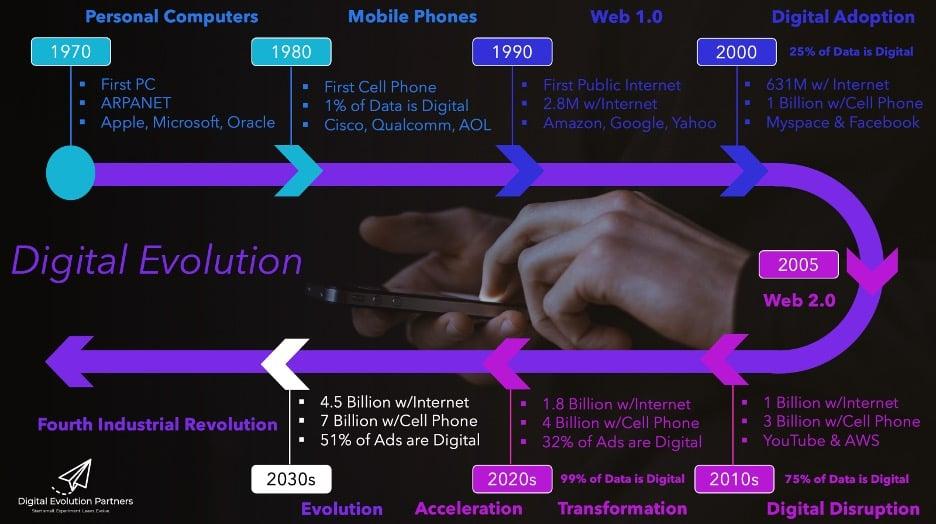
Digital Evolution: The Future of Academic Transcripts and What It Means for Students
In an era defined by rapid technological progress and digital transformation, academic transcripts have joined the ranks of conventional documents undergoing a major upgrade. The shift toward digital academic transcripts promises to transform how students, educators, and institutions manage academic records. But what does this evolution mean for students, and how can you leverage this innovation to your advantage? In this thorough guide, we’ll explore the future of academic transcripts, highlight the benefits of digitalization, and provide actionable tips for students and educational institutions alike.
Understanding the Digital Transformation of Academic transcripts
Traditionally, academic transcripts have been paper-based documents, managed and distributed by educational institutions. While reliable, this system is frequently enough slow, prone to errors, and expensive to maintain.The digital evolution of academic transcripts refers to the conversion of these records into secure, digital formats—making them easier to access, share, and verify.
Key Drivers of Digital Academic Transcripts
- Technology advancements: Secure online platforms and blockchain technologies enable secure digital storage and sharing.
- Remote education trends: Online learning and remote applications necessitate streamlined document processes.
- Globalization of education: Students increasingly apply to institutions and jobs worldwide, requiring prompt, credible proof of qualifications.
Benefits of Digital academic Transcripts for Students
The emergence of digital transcripts offers a multitude of advantages, modernizing how students engage with their academic achievements. Let’s delve into the key benefits:
1. Instant Access and Delivery
- students can access their transcripts online anytime, removing the need to wait days or weeks for paper copies.
- Institutions can deliver transcripts to employers or other educational organizations almost instantly.
2. Enhanced Accuracy and Security
- digital transcripts minimize human errors and the risk of loss or tampering.
- Advanced technologies like blockchain ensure records are immutable and verifiable, protecting against fraud.
3. Cost and time Efficiency
- Digital processing reduces administrative costs for educational institutions.
- Students save money by avoiding postal fees and repeated transcript requests.
4. Global Recognition and portability
- Digital academic transcripts are easily shared across borders, simplifying applications to universities, jobs, or internships abroad.
- They support multiple languages, formats, and verification protocols.
How Digital Academic Transcripts Work
Understanding how these digital documents function can help students make the most of their benefits.Here’s what typically happens behind the scenes:
- A student requests a transcript through the institution’s online portal.
- The transcript data is securely converted into a digital format—often PDF or XML—using encryption and security protocols.
- The student receives a download link or a secure code to share with third-party institutions.
- Employers or admissions offices verify the transcript’s validity online, frequently enough through blockchain-backed confirmation.
Practical Tips for Students Leveraging Digital Transcripts
Transitioning to digital academic transcripts can be exciting,but there are a few best practices to keep in mind:
- Keep copies in secure locations. Download and store your transcripts in more than one secure cloud service.
- Regularly update your data. Check your student portal for the latest transcript updates or corrections.
- Protect your access credentials. Use strong, unique passwords for accounts that store official documents.
- Understand sharing protocols. Know how to generate secure links or verification codes for third parties.
Real-World Case Studies: Digital Transcripts in Action
Here’s how leading institutions and students have benefited from the transition to digital academic transcripts:
Case Study 1: MIT’s Digital Diplomas
in 2017, the Massachusetts Institute of Technology (MIT) piloted a blockchain-based platform for issuing digital diplomas and transcripts. Students could download certified academic credentials to their smartphones, instantly sharing them with employers worldwide. The initiative reduced administrative time, costs, and instances of credential fraud.
Case Study 2: india’s National Academic Depository (NAD)
India’s NAD initiative facilitates secure, digital storage and retrieval of academic awards for millions of students. educational records are accessible to students and verifiable by educational institutions and employers—streamlining admissions and job applications while safeguarding against document forgery.
First-Hand Experience: A Student’s Perspective
“Applying for postgraduate programs abroad was much smoother when my university adopted digital transcripts. I uploaded the documents to a secure portal, and the receiving universities could verify them instantly. Not having to chase down my school for paperwork saved time and stress!”
– Clara M., International Graduate Applicant
The Future of Academic Transcripts: What Lies Ahead?
The digital transformation of academic records is only accelerating. Here are some emerging trends that will reshape the landscape for students:
- integration with digital identity wallets: Academic transcripts will become part of comprehensive digital identity profiles for seamless submission processes.
- Global standards for interoperability: Efforts like the W3C Verifiable Credentials are paving the way for universally recognized digital transcripts.
- AI-powered verification: Artificial intelligence will further streamline transcript verification,flagging discrepancies and expediting processes.
- Expanded access and inclusion: Digital records can be more accessible to students in remote or underserved areas,democratizing opportunities for higher education and employment.
Conclusion: Embracing the digital Transcript Revolution
The future of academic transcripts is undeniably digital. For students, embracing this evolution means enjoying greater convenience, security, and opportunity in the global academic and employment arenas. As educational institutions and employers continue to adopt and refine digital transcript technologies, today’s students are better positioned than ever to control and communicate their academic achievements securely and efficiently.
If you’re a student, now is the time to familiarize yourself with digital academic transcript options at your institution. By staying proactive, you can harness the power of the digital evolution—making every application, interview, and opportunity a little bit easier and a lot more secure.