
Digital Learning Designer: Key Skills, Career Paths, and Industry Trends in 2024
Are you passionate about education technology and looking for a rewarding career at a university, college, or school? The role of a Digital Learning Designer is more critical than ever in 2024, blending pedagogical expertise wiht cutting-edge tech solutions. In this comprehensive guide, you’ll discover what it takes to excel as a Digital Learning Designer, the essential skills you need, diverse career paths available, emerging industry trends, and practical tips to land your dream job in education technology.
What is a Digital Learning Designer?
A Digital Learning Designer (sometimes known as an eLearning Designer or Instructional Designer) creates engaging, interactive, and effective digital learning experiences for students and educators. Whether working at universities, colleges, or K-12 schools, these professionals integrate pedagogical best practices with digital tools to enhance teaching and learning. Their responsibilities may include designing curricula, developing online courses, evaluating educational technologies, and facilitating professional development for educators.
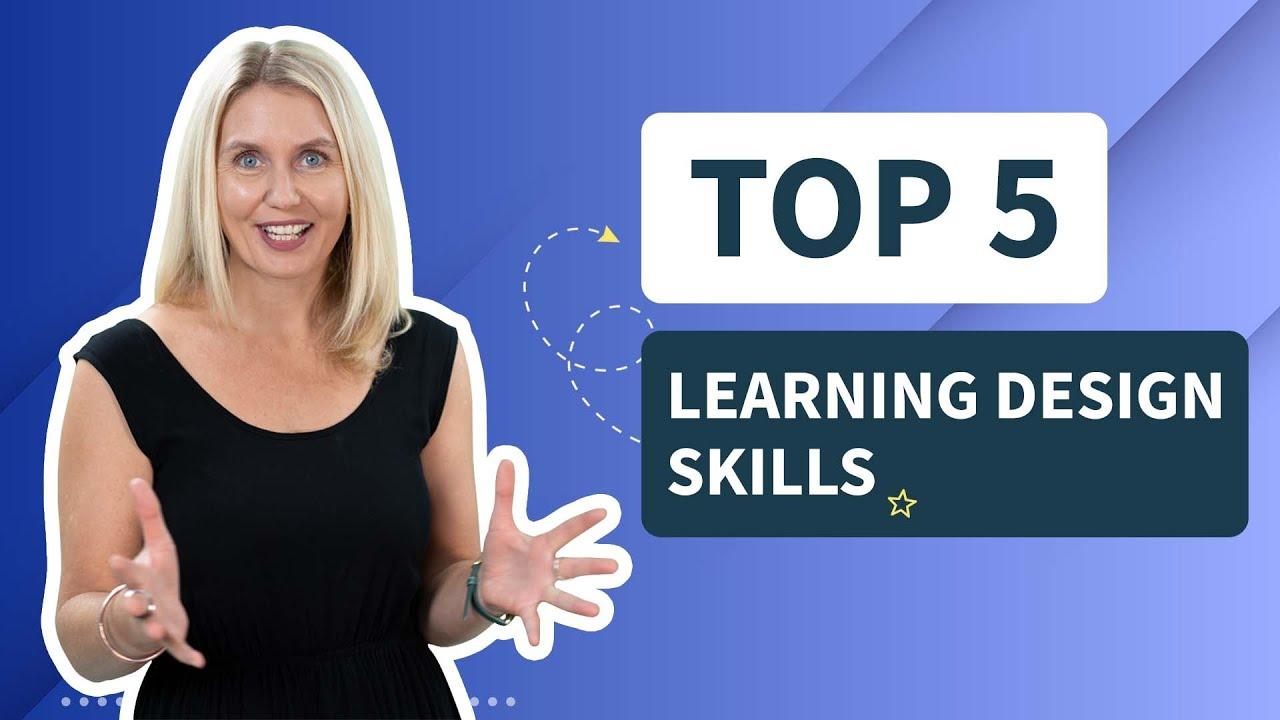
Key Skills Required for a Digital Learning Designer
To thrive in the dynamic world of digital education, you’ll need a robust combination of technical, creative, and interpersonal skills. Here are the key competencies every aspiring Digital Learning designer should develop:
- Instructional Design: Mastery of adult learning theories, instructional models (such as ADDIE, SAM), and experience creating accessible, learner-centered materials.
- Educational Technology Tools: Proficiency with Learning Management Systems (LMS) like Moodle, Blackboard, or Canvas, as well as authoring tools such as Articulate Storyline, adobe Captivate, and H5P.
- Multimedia Design: Ability to create and edit graphics, videos, podcasts, and interactive simulations using tools such as Adobe Creative Suite, Camtasia, or Canva.
- Project Management: Organizational skills to manage multiple projects, timelines, and stakeholders, often utilizing project management software such as Trello, Asana, or Monday.com.
- Data Analysis: Evaluating educational outcomes through data from LMS analytics, learning assessments, and user feedback to continually refine and improve digital learning solutions.
- Collaboration & Communication: Working effectively with faculty, IT staff, administrators, and students, ensuring digital learning initiatives meet diverse needs.
- Accessibility & Inclusivity: Deep knowledge of Global Design for Learning (UDL), web accessibility standards (WCAG), and practices to ensure inclusive digital environments for all learners.
- adaptability: Staying current with rapid technological changes and being open to experimenting with new digital learning trends and tools.
Career Paths for Digital Learning Designers
The demand for skilled Digital Learning Designers is increasing across educational institutions and sectors. Here are some common career paths you might consider:
1.higher education
- Instructional Designer: Collaborate with faculty to develop online and blended courses, facilitate training on educational technology, and evaluate digital learning effectiveness.
- Digital Curriculum Specialist: Lead or support curriculum redesigns to integrate digital resources and support institutional strategies for digital change.
- Learning Technologist: Focus on implementing and supporting educational technology platforms while troubleshooting issues and advising on best practices.
2. K-12 Schools
- EdTech Coordinator: Oversee the integration of educational technology in classrooms, train teachers, and promote digital literacy among students.
- eLearning Content Developer: Design and produce interactive digital content, online assessments, and virtual classroom activities for school districts or educational publishers.
3. Corporate & Nonprofit Sector
- Corporate Instructional Designer: Develop digital training programs for organizational learning, often collaborating with HR and subject matter experts.
- Nonprofit Learning Experience Designer: Create educational content for community programs, outreach initiatives, or workforce development projects.
Industry trends Shaping Digital learning Design in 2024
The digital learning landscape evolves rapidly. To remain competitive, it’s vital to keep an eye on these emerging trends shaping the industry in 2024:
- Artificial Intelligence & Personalized learning: AI-driven tools and analytics now enable adaptive learning pathways tailored to individual student needs.
- Immersive Technologies: augmented and Virtual Reality (AR/VR) are making experiential learning mainstream, especially in STEM, healthcare, and creative disciplines.
- Microlearning & Mobile-First Design: Bite-sized, mobile-pleasant content is increasingly favored, especially for on-the-go learners and professional development.
- Learning Analytics & Data-Driven Design: The use of big data to inform instructional decisions and track learner engagement is transforming learning design strategies.
- Accessibility & universal Design: Greater emphasis is placed on creating inclusive learning environments,in compliance with legal and ethical standards,such as WCAG 2.2.
- Hybrid and HyFlex Learning Models: Flexible options that blend online, offline, and real-time remote participation are in demand across all educational settings.
- Continuous professional Development: Ongoing educator training in digital skills and tech adoption is fuelling growth in internal and external learning programs.
Benefits of a Career as a Digital Learning Designer
Why choose a path as a Digital Learning Designer in education? Here are some key benefits:
- high Demand: Educational institutions are prioritizing digital transformation,driving consistent demand for skilled designers.
- Impactful Work: Make a tangible difference in learners’ lives by shaping engaging, accessible, and effective digital experiences.
- Diverse Opportunities: Roles span schools, universities, companies, and the nonprofit sector, allowing you to find a niche that matches your interests.
- Remote & Hybrid Work: Many institutions offer remote or flexible work arrangements for digital learning professionals.
- Continuous Learning: Exposure to the latest edtech innovations and ongoing professional development is integral to the role.
Practical Tips to Land a Job as a Digital Learning Designer
Ready to start your journey in education technology? Here are practical steps for landing your ideal Digital Learning Designer position in 2024:
- Build Relevant Skills: Enhance your expertise with professional development courses in instructional design, multimedia development, educational technology, and project management.
- Create a Portfolio: Develop a portfolio showcasing diverse projects—course designs, multimedia content, assessment tools, and examples of meaningful learning outcomes.
- Gain Experience: Volunteer for digital projects, contribute to open educational resources, or seek internships at schools, universities, or edtech companies.
- Showcase Your Passion: In applications and interviews, highlight your enthusiasm for educational technology and your commitment to equity and inclusion.
- Network with Professionals: Join education technology associations, attend relevant conferences, and engage with professional learning communities online.
- Stay Updated: Following industry thought leaders, reading edtech news, and attending webinars will keep your knowledge fresh and relevant.
- Seek Certifications: Qualify with recognized certificates like the Association for Talent Development (ATD), Certified Professional in Learning and Performance (CPLP), or specialist microcredentials.
- tailor Your Applications: Clearly align your resume and cover letter with the job description, using keywords such as “digital learning designer,” “instructional design,” and “edtech” for increased visibility.
Conclusion: Making Your Mark as a Digital Learning designer in 2024
The role of a digital Learning designer offers an exciting opportunity to shape the future of education at universities, colleges, and schools. With a unique blend of instructional expertise and technology skills, you can create innovative digital learning solutions that empower both educators and learners. By developing the key skills, staying informed about industry trends, and following practical strategies, you’ll be well-equipped to embark on a fulfilling and impactful career in educational technology.
Take the first step today, continue developing your capabilities, and soon you’ll be at the heart of educational transformation as a Digital Learning Designer in 2024.