
Director of Learning Innovation: Key Roles, Skills, and Career Path in Modern Education
Introduction
As the education sector embraces technological advancements, the Director of Learning innovation has emerged as a pivotal role in universities, colleges, and schools. This position bridges educational best practices with technology, fostering student engagement and academic success. If you are passionate about educational technology and aspire to drive change in academic environments, understanding the director of learning innovation role is essential. this extensive guide explores the core responsibilities, required skills, career trajectory, and more—helping job seekers position themselves for success in one of education technology’s moast exciting leadership opportunities.
Who is a Director of Learning Innovation?
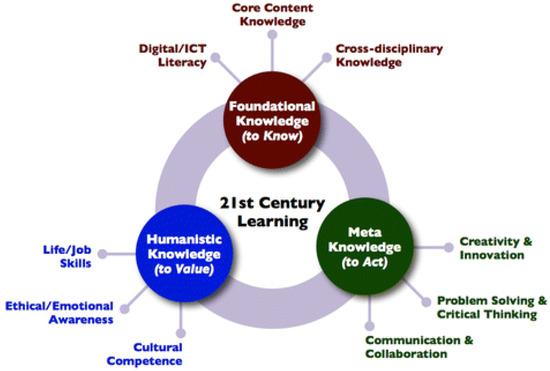
The Director of Learning Innovation is a senior-level leader responsible for advancing teaching and learning through the strategic adoption of technology and innovative pedagogies. This dynamic role blends instructional design, technology integration, faculty progress, and educational strategy, ensuring that learning experiences evolve to meet the needs of 21st-century students.
Key Roles and Responsibilities
The director of learning innovation holds a multifaceted position, often wearing many hats within educational institutions. Core responsibilities typically include:
- Strategic Planning: Develop and implement strategic initiatives for technology-enhanced learning across the institution.
- Technology Integration: Oversee the adoption and evaluation of educational technologies, such as Learning Management Systems (LMS), adaptive learning tools, and digital content platforms.
- Faculty Support and Development: Design and deliver professional development programs that help faculty integrate new teaching methods and EdTech solutions effectively.
- Collaboration and Leadership: Build partnerships with academic departments, IT, administration, and external vendors to support institutional goals.
- research and Assessment: Evaluate the impact of learning innovations on student outcomes through data-driven decision-making and educational research.
- Grant Writing and Fundraising: Identify funding opportunities and lead proposals for initiatives related to learning innovation and educational technology.
- Change Management: Champion an institutional culture that is open to pedagogical experimentation and continuous betterment.
Core Skills and Competencies Required
Building a successful career as a director of learning innovation requires a unique blend of technical, educational, and leadership abilities. Key skills include:
- Educational Technology Expertise: In-depth knowledge of current and emerging EdTech tools, platforms, and instructional design methodologies.
- Leadership and Team Management: Ability to inspire teams and lead cross-functional projects.
- Strategic Vision: Foresight to anticipate educational trends and align technology initiatives with institutional priorities.
- Dialogue Skills: Extraordinary ability to articulate ideas, present educational technology concepts, and engage diverse stakeholder groups.
- Data Analysis: Comfort with quantitative and qualitative research methods to assess the effectiveness of instructional innovations.
- Problem-Solving: Creative mindset for addressing challenges and devising scalable solutions.
- Project Management: Experience managing complex projects with multiple deliverables and timelines.
- Change Leadership: skills in guiding institutions through cultural and technological transitions.
Educational Background and Professional Experience
Most director of learning innovation roles require an advanced degree (Master’s or Doctorate), typically in education, instructional technology, curriculum design, or a related field. Qualifications may include:
- Bachelor’s degree in Education, Instructional Technology, or a similar field (minimum requirement)
- Master’s or Doctoral degree in Educational Technology, Curriculum Development, or Leadership (preferred or required for many positions)
- Experience in teaching, instructional design, or faculty development in academic settings
- Progressive leadership roles in educational technology or curriculum innovation teams
- Professional development certifications in learning technologies, such as those offered by ISTE or EDUCAUSE (beneficial)
Typical Career Path
Career progression toward the director of learning innovation role generally follows several stages in the educational technology sector:
- Entry-Level Positions: Roles such as Instructional Designer, EdTech Specialist, or Academic Technologist help build foundational skills.
- Mid-Level Management: Advancement to management positions, such as Learning Technology Manager or Coordinator of Educational Innovation, allows for broader leadership duty.
- Senior Leadership: With a proven track record,professionals can move into director-level positions overseeing cross-campus or district-wide innovation initiatives.
- Executive Opportunities: Exceptional directors may transition to roles like Chief Academic Officer or Vice President for Digital learning.
Benefits of Becoming a Director of Learning Innovation
Taking on this influential role offers a range of professional and personal rewards:
- Impact: drive meaningful change in how students learn and how educators teach, shaping the future of education.
- Continuous Learning: Stay at the forefront of technological and pedagogical advances.
- Leadership Opportunity: Guide institutional vision and strategy at the highest levels.
- Networking: Collaborate with thought leaders in academia, industry, and EdTech.
- Job Security: As educational institutions prioritize digital change, demand for EdTech leaders continues to grow.
- Competitive Compensation: Director-level positions often offer generous salary packages, benefits, and resources for professional development.
Practical Tips for Aspiring Directors of Learning Innovation
If you’re targeting a career as a director of learning innovation in a university, college, or school, consider these actionable steps:
- Develop Tech Fluency: Continuously update your knowledge of EdTech tools and instructional design best practices.
- Build a Diverse Portfolio: Design and lead a variety of technology-enhanced learning projects, both independently and in teams.
- Stay informed: Engage with professional networks and forums focused on educational technology and innovation.
- Pursue Certifications: Enhance your credentials with certifications in project management, learning technologies, or leadership.
- balance Vision with Practicality: Develop solutions that are both innovative and feasible within your institution’s unique context.
- Demonstrate Impact: Collect and showcase evidence of how your initiatives have improved teaching and learning outcomes.
- Seek Mentoring: Learn from established leaders in the field who can provide guidance and insights.
Conclusion
The director of learning innovation role stands at the intersection of technology, pedagogy, and academic leadership. For those seeking to transform education, it offers a fulfilling pathway with the opportunity to shape institutional strategies and student experiences. By developing deep expertise in educational technology,gaining leadership experience,and building a track record of successful innovation,you can position yourself as a top candidate for this exciting and impactful career. Whether you’re just starting in EdTech or looking to step into senior leadership, now is an excellent time to pursue opportunities as a director of learning innovation at universities, colleges, or schools.