
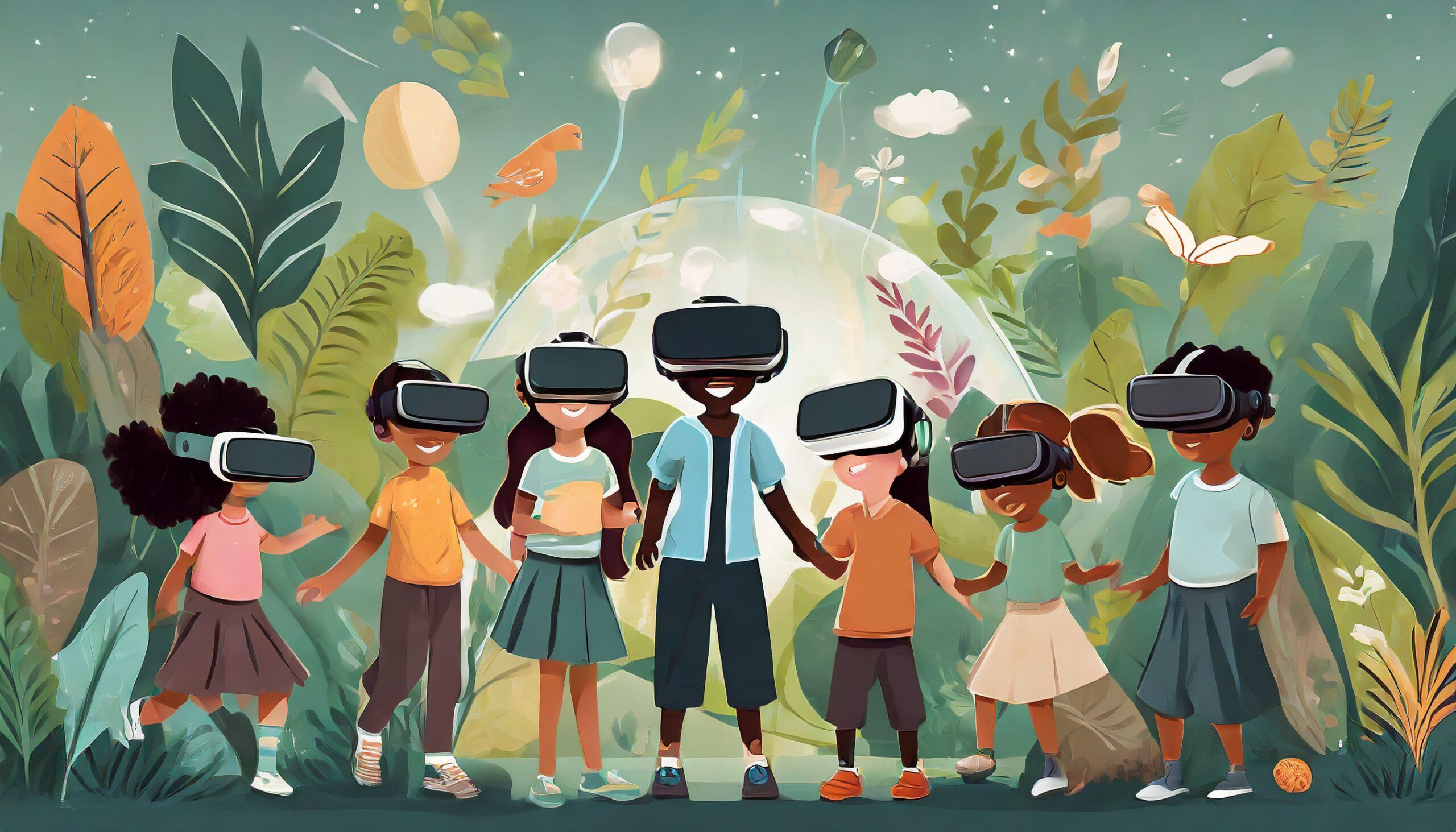
Discover How Virtual Field Trips Expand Classroom Learning Without leaving School
Virtual field trips are revolutionizing the modern classroom by offering students engaging, real-world experiences—without ever stepping outside their school. As technology reshapes the educational landscape, teachers and administrators everywhere are discovering the impact of immersive online journeys. In this article, you’ll uncover how virtual field trips expand classroom learning, their myriad benefits, best practices for implementation, and inspiring case studies where these digital adventures have boosted student engagement and knowledge retention.
what Are Virtual Field Trips?
A virtual field trip uses digital resources—like interactive videos,360-degree imagery,and livestreams—to transport students to far-off places or behind-the-scenes locations directly from the classroom. These experiences might include:
- Exploring ancient ruins via Google Earth
- Taking a virtual tour of the Smithsonian National Museum of Natural History
- Observing live animal cams from renowned zoos and aquariums
- Connecting with scientists, historians, or artists for Q&A sessions
With a simple internet connection and a screen, both teachers and students unlock access to a world of educational opportunities previously limited by distance and finances.
How Virtual Field Trips Expand Classroom Learning
Virtual field trips bridge the gap between textbook theory and real-world observation, creating captivating learning moments that are both memorable and meaningful. Here’s how they make classroom learning more dynamic:
1. Global Accessibility
Students can explore different cultures, ecosystems, and past sites in real time—broadening their perspectives and fostering global awareness, all from the safety of their classroom.
2.Interdisciplinary Connections
teachers can design cross-curricular lessons. For exmaple,a virtual visit to a NASA facility can combine science,math,engineering,and even creative writing exercises.
3. Engagement and Motivation
Interactive elements like polls, live chats, and virtual scavenger hunts keep students actively involved and curious about the material, enhancing participation and motivation.
4. Personalized Learning
Virtual resources often let students explore at their own pace, making content accessible to learners with different interests, learning speeds, or accessibility needs.
Key Benefits of Virtual Field Trips
- Cost-Effective: No travel expenses, bus rentals, or insurance fees.
- Time-Saving: Seamlessly integrated into a class period without the need for all-day trips.
- Universal Access: Reaches rural or remote schools that may not have access to many field trip opportunities.
- Safety and Security: Students remain in a controlled, supervised setting at all times.
- Inclusive Experience: Students with mobility or health challenges can fully participate.
- Curriculum Alignment: Easy to find trips that tie directly into learning objectives and standards.
Practical Tips for Implementing Virtual Field Trips
To maximize the benefits of virtual field trips in your classroom, keep these best practices in mind:
- Plan Ahead: Research available trips and align them with your curriculum goals. Many institutions, such as museums and science centers, provide free or low-cost virtual tours tailored to specific age groups or subjects.
- Test Technology Early: Ensure your internet connection, audio-visual setup, and any necessary software work smoothly before the field trip begins.
- Prepare Students: Introduce background information and share a list of guiding questions. This helps students stay engaged and focused during the tour.
- Encourage Interaction: Choose platforms that enable students to ask questions or participate in live discussions to deepen their learning.
- Follow Up: Assign creative projects, reflection essays, or group discussions to reinforce learning and allow students to share their takeaways.
Popular Virtual field Trip Destinations
Here are some recommended platforms and institutions offering outstanding virtual field trip experiences:
- Google Arts & Culture – Art museums, historical landmarks, and cultural destinations from around the globe.
- Smithsonian National Museum of Natural History – Walk through interactive museum halls and exhibits.
- National Geographic explorer Classroom – Live video events with scientists, explorers, and conservationists.
- Monterey Bay Aquarium Live Cams – Real-time observation of some of nature’s most captivating aquatic life.
- NASA Space Center Virtual Tours – Explore outer space, rockets, and astronaut missions.
Case Studies and Real-Life Success Stories
Case Study 1: Connecting Rural Students to Urban Culture
An elementary school in rural Montana integrated a series of virtual field trips to metropolitan art museums. Through Google Arts & Culture, students explored modern art exhibitions and interacted with curators via livestream. As a result, teachers reported a marked increase in art thankfulness, creative expression, and cultural awareness among students—despite never having visited a major city.
Case Study 2: STEM Comes Alive in the Classroom
A middle school science teacher in Ohio used a virtual tour of NASA’s Johnson Space Center to kick off a unit on physics and space exploration. By engaging with aerospace engineers through a Q&A session, students connected classroom learning to real-world applications of STEM. Surveys indicated a meaningful boost in student interest in science careers.
First-Hand Teacher Experience
“Our virtual field trip to the Smithsonian Natural History museum was transformative. My students were awed by the interactive dinosaur exhibit,and their curiosity reached new heights. Several students,who were frequently enough quiet during lessons,began asking insightful questions and participating enthusiastically.”
– Mrs. J. Morales, 5th Grade Teacher
Aligning Virtual Field Trips with learning Standards
Today’s digital resources are easily mapped to state and national academic standards, making integration into curriculum seamless. Many providers offer free guides to educators, ensuring that the content supports core objectives in areas like science, history, language arts, and more.
such as, a virtual trip to a national park can be accompanied by lesson plans addressing environmental science standards, promoting inquiry-based learning and environmental stewardship.
Conclusion: Embracing the Future of Experiential Learning
Virtual field trips are more than a substitute for customary outings—they are a powerful educational tool that can transform the classroom experience. By expanding access, increasing engagement, and providing authentic learning opportunities, virtual field trips can ignite curiosity and deepen understanding in ways previously unimagined.
Ready to take your classroom on an unforgettable journey? Start exploring the vast universe of virtual field trips today and discover a world of possibilities—without ever leaving school.