
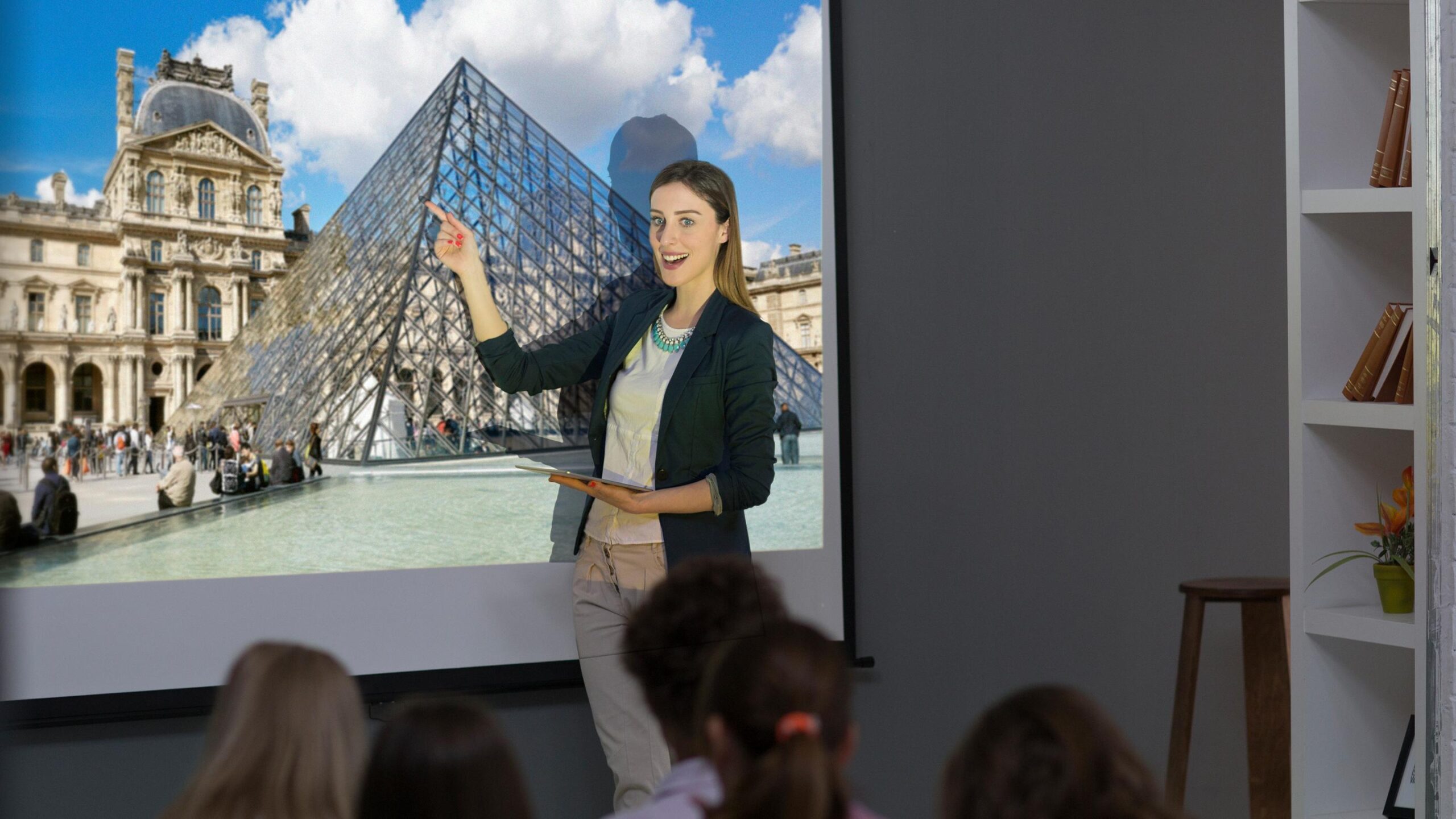
Discover How Virtual Field Trips Expand Horizons—Transforming Learning Beyond the Classroom
imagine students embarking on a journey through the Great Barrier Reef,witnessing ancient wonders at the Louvre,or exploring the mysteries of Mars—all without ever leaving their classroom. Virtual field trips are redefining education, offering accessible, interactive, and immersive experiences that transcend physical boundaries. In this article, we’ll delve into the world of virtual field trips, uncover their transformative impact, and share practical tips for integrating these powerful tools into your teaching repertoire.
What Are Virtual Field Trips?
Virtual field trips are online experiences that transport students to locations around the world (and beyond) using technology such as 360-degree videos,live-streamed tours,interactive maps,and virtual reality applications. Leveraging platforms like Google Expeditions, Revelation Education, national Geographic, and more, virtual field trips offer exciting alternatives to traditional excursions, making global exploration accessible to every student.
How Virtual Field Trips Work
- Pre-recorded Tours: Museums, zoos, and historical sites offer professionally narrated virtual tours.
- Live Interactive Sessions: Experts host live streams, answer questions, and guide students in real-time.
- Immersive technologies: Augmented reality (AR) and virtual reality (VR) provide hands-on interactive learning experiences.
- Collaborative learning: Students engage in group activities, quizzes, and discussions during or after their trips.
Benefits of Virtual Field Trips: Expanding Educational Horizons
Embracing virtual field trips for students offers a multitude of educational advantages,supporting teachers and learners in innovative ways.
1. Inclusive Access to Learning
- Geographical freedom: Students explore global landmarks and ecosystems regardless of location or budget limitations.
- Accessibility: Virtual experiences accommodate diverse needs, including mobility challenges and health concerns.
- Equal Opportunity: Schools with limited funding can provide learning enrichment previously beyond reach.
2. Engagement and Interaction
- Interactive Content: Activities such as quizzes, polls, and real-time Q&A boost student engagement and participation.
- personalized Exploration: Students can navigate content at their own pace, replaying videos or exploring areas of interest.
3. Deepening Curriculum Connections
- Cross-Disciplinary learning: Virtual trips can be tailored for STEM, history, art, geography, and language studies.
- Real-World Context: Students relate lessons to authentic environments—historic battlefields, biodiversity hotspots, space laboratories, and more.
4. Cost-Effective and Scalable
- Budget-Pleasant: Eliminate expenses on transportation, entry tickets, and logistics, making field trips more frequent and accessible.
- Large-Group Integration: Host entire classrooms or grades in the same virtual habitat without safety or supervision issues.
Real-World Case Studies: Virtual Field Trips in Action
Case Study 1: Bringing History to Life
At Lincoln Middle School in Ohio, 7th-grade students participated in a virtual tour of the United States Holocaust Memorial Museum. Through interactive exhibits and survivor testimony,students developed empathy and deepened their understanding of historical events—fully aligned with curriculum standards and without travel constraints.
Case Study 2: exploring Science Frontiers
Elementary students in California visited the Monterey Bay Aquarium using a virtual platform. Marine biologists interacted live with students,answered questions,and showcased underwater habitats via high-definition cameras. The experience sparked curiosity about ocean conservation and inspired future science projects.
Case Study 3: Global Collaboration
A network of international schools connected via Zoom to conduct a virtual field trip to NASA’s Jet Propulsion Laboratory.Students from different continents collaborated on a Mars rover simulation, exchanging ideas, solving challenges, and experiencing the power of technology to unite learners worldwide.
First-Hand Experiences: Voices from Educators and Students
“A virtual field trip to a rainforest reserve allowed my students to observe wildlife up close—something we couldn’t achieve in our rural community. the interactive guides kept everyone engaged and excited. It turned abstract lessons into real-life moments.”
— Ms. Carter, Grade 5 Teacher
“I loved seeing astronauts floating on the International Space Station. We got to ask them questions and even tried a ‘zero gravity’ experiment at home!”
— Jamie, 6th Grade Student
Practical Tips for Integrating Virtual Field Trips in the Classroom
Planning Triumphant Virtual Field Trips
- Align with Curriculum Goals: Choose trips that tie directly to subjects and learning objectives.
- Test tech Tools: Ensure devices, internet connections, and required apps/platforms are ready in advance.
- Create a Pre-Trip Guide: Brief students on expectations, itinerary, and background context.
Maximizing Student Engagement
- Interactive Activities: Plan quizzes,scavenger hunts,or discussion questions related to the trip.
- Follow-Up Projects: Assign post-trip reflections, presentations, or creative projects.
- Encourage Collaboration: Use breakout rooms for group tasks and peer feedback.
Recommended resources for virtual Field Trips
- National Geographic Virtual Field Trips
- Discovery Education Virtual Field Trips
- Google Expeditions
- Smithsonian Institution Virtual Tours
Overcoming challenges and Maximizing Impact
While virtual field trips offer many benefits, teachers may face some hurdles:
- Technical Issues: Prepare backup plans in case of connectivity or compatibility problems.
- Student Distraction: Set clear behavioral expectations and use interactive components to maintain focus.
- Screen Fatigue: Integrate physical or hands-on activities before and after virtual trips.
Best Practices for Success
- Blend virtual trips with traditional methods for richer experiences.
- Solicit student feedback to improve future trips.
- celebrate student work and discoveries through class showcases or online portfolios.
Conclusion: Unlocking Endless Possibilities with Virtual Field Trips
Virtual field trips are an innovative educational solution, expanding horizons for learners and transforming classrooms into gateways to the world. By embracing technology, teachers foster curiosity, cultural awareness, and global connectivity—essential skills for the 21st century. Whether used as standalone experiences or integrated with traditional lessons, virtual field trips make discovery, engagement, and inclusion possible for all.
Ready to transform learning beyond the classroom? Start exploring today and empower your students to embark on journeys that shape their minds and inspire their futures!
Keywords: virtual field trips,virtual field trips for students,classroom technology,online learning,digital field trips,interactive learning,technology in education,transformative learning experiences.