
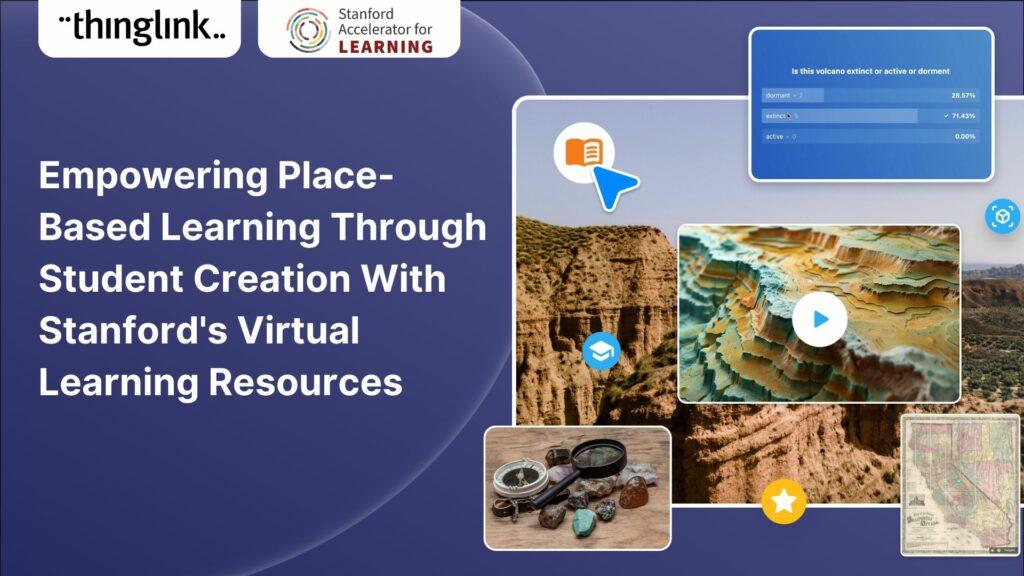
Discover the Benefits of Virtual Field Trips: Expand Classroom Learning Without Leaving School
In today’s ever-evolving educational landscape, teachers and students are seeking innovative ways to enhance learning experiences. Conventional field trips bring excitement and real-world insights, but logistical challenges and budget constraints often limit their frequency. Enter virtual field trips—a transformative approach that enables classrooms to explore distant places, interact with experts, and dive deep into topics, all from the comfort of their schools. This article delves into the powerful benefits of virtual field trips, offering educators practical tips and inspiration to expand classroom learning without leaving school.
What Are Virtual Field Trips?
Virtual field trips are interactive, online experiences that allow students to visit museums, cultural landmarks, scientific facilities, and even travel through space or time—using computers, tablets, or VR devices. Frequently enough facilitated by video conferencing tools or educational platforms, these digital adventures can be live or pre-recorded, guided by experts or self-paced. With virtual field trips, the classroom wall becomes virtually invisible.
top Benefits of Virtual Field Trips
integrating virtual field trips into your curriculum unlocks a myriad of educational advantages. Here are the key benefits:
- Accessibility for All Students: Budget constraints, physical disabilities, or location are no longer barriers. Every student can participate, ensuring equitable learning opportunities.
- Expanded Learning Horizons: Explore world-renowned museums, international sites, or conduct virtual science experiments—access places that would otherwise be out of reach.
- Cost-Effective: No travel or accommodation expenses. Most virtual field trips are free or low-cost, making them a budget-friendly option.
- Flexible Scheduling: Arrange trips that fit your lesson plan, with options for live Q&A sessions or self-paced discovery.
- Customized Educational Content: Align content directly to your curriculum. Many providers offer grade-specific experiences and teacher resources.
- Interactive & Engaging: Incorporate live chats with experts, hands-on digital activities, and interactive videos to increase student engagement and retention.
- Safety & Security: No transportation or permission slips required, reducing logistical hassles and ensuring student safety.
Types of Virtual Field Trips Available
The possibilities with virtual field trips are virtually limitless. Here are some popular categories to consider:
- Museum Tours: Explore the Louvre, Smithsonian, NASA, or local history museums.
- Science and Nature: Journey through the Amazon rainforest, dive into coral reefs, or tour space stations.
- Historical Sites: Walk through the pyramids of Egypt, the great Wall of China, or ancient Roman ruins.
- Art & Culture: Join live artist workshops, music performances, or behind-the-scenes at theaters.
- Vocational & Career Exploration: Visit companies, factories, or talk to professionals in various fields.
- Local Experiences: Connect with regional businesses, farms, or environmental groups for community-based learning.
How Virtual Field Trips Enhance Classroom Learning
Virtual field trips do more than supplement textbook learning—they create immersive, real-world connections that spark curiosity and deeper understanding.Here’s how:
Active Learning & Engagement
Interactive elements like quizzes, polls, and virtual hands-on activities keep students motivated and involved. Many virtual field trips include real-time Q&A with subject matter experts.
Cross-Curricular Connections
These digital excursions can integrate math, science, history, geography, art, and language skills, helping students see the bigger picture and make meaningful connections.
Individualized Learning opportunities
Self-paced virtual field trips allow students to revisit content or explore topics that interest them most, catering to diverse learning styles.
Global Perspective
Virtual experiences broaden students’ horizons, helping them understand diverse cultures and viewpoints, and preparing them for a more interconnected world.
Practical Tips for Implementing Virtual Field Trips
To get the most from your virtual field trip experiences, consider these best practices:
- Identify Clear Learning Goals: Choose trips that align with your unit objectives and desired outcomes.
- Prepare Students: Provide context, vocabulary lists, or pre-trip activities to build excitement and understanding.
- Test Technology Ahead of Time: Ensure all devices are working, and students can access needed platforms or software.
- Engage Before, During, and After: Use discussion questions, reflection journals, or follow-up projects to deepen learning.
- Encourage Interaction: Choose trips with live elements and direct student questions to experts when possible.
- Involve Families: Share virtual trip details with parents and encourage them to participate at home or provide feedback.
For a professional look in your lesson plans or on your class website, leverage
Real-World Case Studies: Virtual Field Trips in Action
Case study 1: Exploring the Smithsonian with Grade 5
Ms. Rebecca, a fifth-grade teacher, transformed her social studies unit by taking her class on a virtual tour of the Smithsonian National museum of Natural History. Her students interacted with museum educators in real-time, exploring exhibits about ancient civilizations and rare fossils. The result? Her class scored 20% higher on end-of-unit assessments and reported increased enthusiasm for history.
Case Study 2: NASA Live Stream Ignites STEM Wonder
At Lincoln Middle School,a science teacher connected students with NASA astronauts via a live virtual field trip. Students watched a microgravity demonstration from the international Space Station, asking questions about daily life in orbit. this experience inspired several students to pursue STEM clubs and projects.
First-Hand Teacher Testimonial
“Our virtual field trip to the Boston Tea Party Museum was a turning point in our American history unit. My students asked more questions, engaged with primary sources, and even created their own digital reenactments! I can’t imagine teaching without these immersive experiences now.”
— Mr.Garcia, 4th Grade Teacher
Popular Resources for Virtual Field Trips
- Google Arts & Culture – Extensive gallery tours and classroom-ready content
- Smithsonian Virtual Field Trips – Science,history,and art experiences
- National Geographic Explorer Classroom – Live Explorer sessions and on-demand video archives
- NASA Virtual Field Trips – Interactive STEM adventures for K-12 students
- Discovery Education Virtual Field Trips – Real-world and career-focused experiences
Conclusion: Expanding the Boundaries of Classroom Learning
Virtual field trips are revolutionizing the way teachers and students experience the world.By overcoming logistical challenges, these digital journeys make high-quality, engaging, and accessible learning possible for all. Whether you want to inspire curiosity, reinforce classroom concepts, or expose students to diverse perspectives, virtual field trips are a vital resource for every modern educator.
Ready to expand your classroom learning without leaving school? Start planning your next virtual adventure today, and watch your students’ curiosity and knowledge soar!