
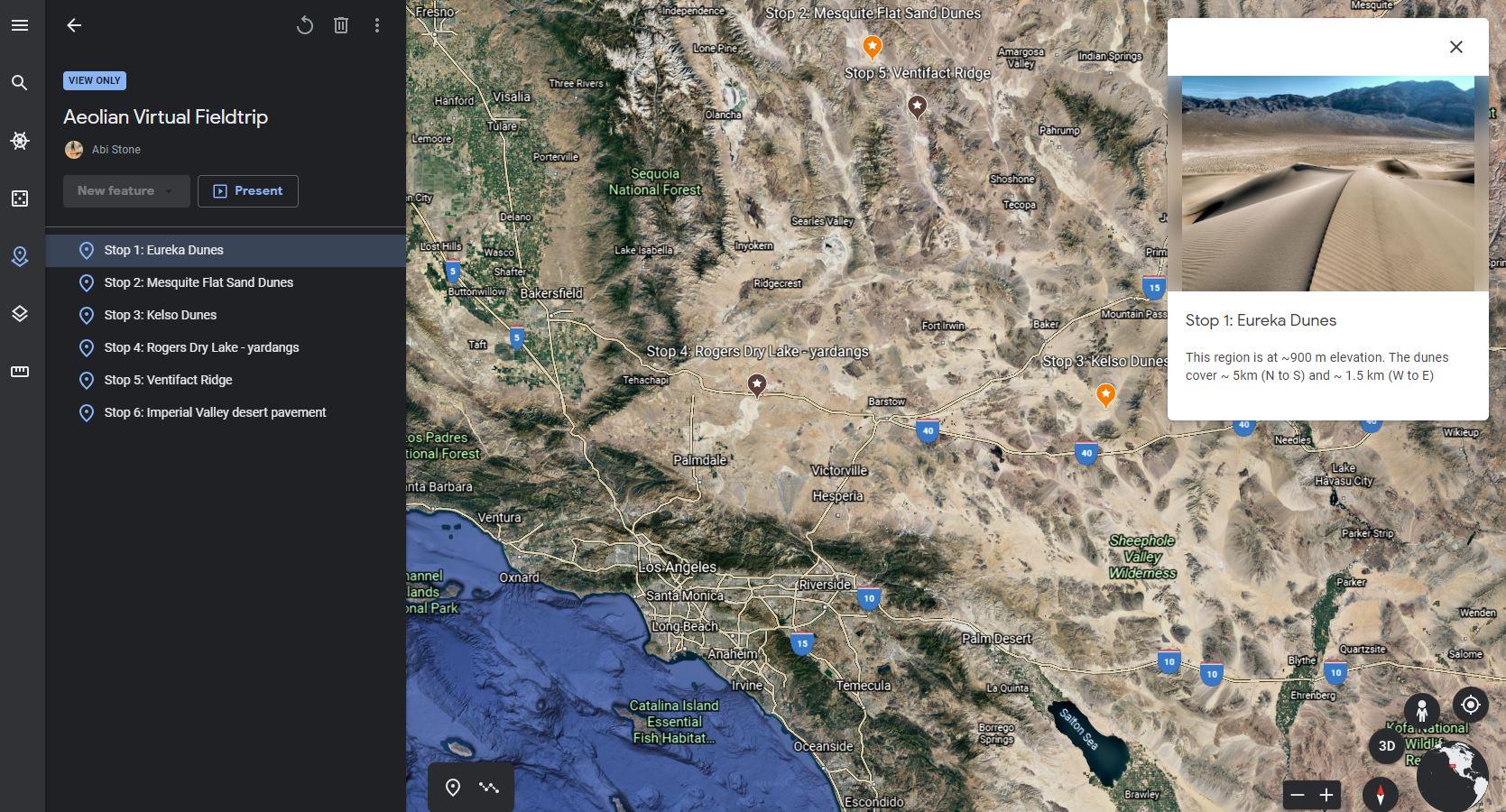
Discover the Power of Virtual Field Trips: Expand Learning beyond the Classroom
In today’s increasingly digital world, education is no longer confined to four walls.The rise of virtual field trips marks a new era in the way teachers engage students, opening up a universe of possibilities beyond the customary classroom. By harnessing the power of modern technology, learners can now explore world-famous museums, exotic ecosystems, and historical landmarks without ever leaving their desks.
Read on to discover how virtual field trips in education are transforming learning experiences, their key advantages, and practical steps for integrating them into your curriculum.whether you’re an educator, parent, or school administrator, this guide will empower you to expand learning horizons for your students.
What Are Virtual Field Trips?
A virtual field trip is an online, interactive experience that allows students to explore locations or events in real-time or asynchronously, ofen through video conferencing, 360-degree tours, or augmented reality applications. Supported by multimedia resources—videos,quizzes,and live Q&A sessions—virtual field trips aim to make educational content engaging and accessible from anywhere.
- visit world-class museums, art galleries, and science centers virtually
- Tour historical sites and landmarks, from Ancient Rome to NASA facilities
- Meet professionals through behind-the-scenes workplace tours
- Explore natural wonders such as rainforests, oceans, and national parks
The flexibility of virtual learning experiences is breaking down traditional barriers, leveling the playing field for schools with limited resources, and sparking curiosity in learners across all grade levels.
The Benefits of Virtual Field Trips
Embracing virtual field trips in education brings a multitude of benefits for students, teachers, and school communities alike:
1. Accessibility and Inclusivity
- Geographical Restrictions Eliminated: Students from remote or underfunded schools can visit places once out of reach.
- Special Needs & Health: Learners with mobility or medical constraints can participate fully.
2. Engaging and Interactive Learning
- Sensory-Rich Content: Videos, 3D models, VR, and live interactions stimulate multiple senses.
- Personalized Pacing: Students revisit materials as needed,enhancing retention and confidence.
3. Cost-Effectiveness
- Zero travel expenses, entry fees, or extensive permissions required.
- scalable to an unlimited number of students, maximizing participation.
4. Real-World Connections
- Connect directly with experts, scientists, and historians around the globe.
- Foster career exploration and global citizenship from an early age.
These advantages show how virtual field trips expand learning opportunities, bridging classroom knowledge with the wider world in powerful, memorable ways.
How to Integrate Virtual Field Trips into Your Teaching
Planning and executing triumphant virtual field trips in education requires some preparation. Here’s a practical step-by-step guide to get you started:
- Set Clear Learning Objectives: Align the virtual experience with your curriculum standards and student interests.
-
Choose High-Quality Virtual Field trips: Explore reliable sources like:
- Prepare Students: Share background materials and set expectations for participation. consider pre-visit discussions or research activities to spark curiosity.
- Facilitate Engagement: encourage questions, group discussions, and real-time reflection during the field trip.
- Assess and Reflect: Use follow-up assignments, creative projects, or presentations to reinforce learning outcomes.
Case Studies: Virtual Field Trips in Action
Real-world examples highlight the remarkable impact of virtual field trips in education.
Case Study 1: Bringing ancient Egypt to Life in a Rural School
At a rural elementary school in Kansas, the sixth-grade class virtually explored the Egyptian Collection at The British Museum. Students interacted with Egyptologists through live Q&A sessions and participated in a virtual scavenger hunt. According to their teacher, reading comprehension scores for the Egypt unit rose by 20% compared to previous years, and more students reported a lasting interest in ancient civilizations.
Case Study 2: Career Exploration With Science Professionals
A high school in California partnered with a local biotech company to host live-streamed lab tours. Students witnessed cutting-edge genetic engineering processes and conversed directly with scientists. This virtual field trip inspired several students to pursue STEM-related internships and increased enrollment in the school’s advanced biology courses.
First-Hand Experiences: Voices from the Classroom
“Our students journeyed through a coral reef—without leaving town! The excitement in our class was palpable.Virtual field trips have made science lessons truly unforgettable.”
— Ms. Linda Martinez, 5th Grade Teacher, Miami, FL
“As a teacher in a small school, I never imagined I could give my students a tour of the Louvre. Virtual field trips helped us connect with the world’s greatest art and inspire creativity beyond measure.”
— Mr. jason Wu, Art Teacher, Spokane, WA
Tips for maximizing the Impact of Virtual Field Trips
- Test Technology in Advance: Ensure all devices, connections, and platforms work smoothly to prevent disruptions.
- Customize Experiences: Cater the content to your students’ needs and tie it back to class projects or discussions.
- Encourage Active Participation: Assign roles like “question leader” or “note taker” to keep everyone engaged.
- Follow Up: reflect on the trip with journal entries, creative assignments, or even a virtual class display.
- Seek Feedback: Regularly ask students for their opinions to continually enhance future virtual trips.
Popular Platforms for virtual Learning Experiences
Manny reputable organizations offer immersive and interactive virtual field trips, including:
- Google Expeditions: 360-degree tours across diverse topics—science, history, and more.
- Finding Education: Free virtual field trips with curriculum guides and expert hosts.
- Museum of Modern Art (MoMA): Interactive discussions and art explorations for all ages.
- San Diego Zoo: Live animal cams and ecosystem tours for biology and environmental science lessons.
- NASA’s Virtual Tours: Space exploration and STEM career inspiration.
Conclusion: Unlocking Limitless Learning Opportunities
Virtual field trips are redefining the boundaries of traditional education—making the world’s knowledge, culture, and scientific discoveries accessible to every student, everywhere. By leveraging these innovative tools, educators can cultivate a love of learning, boost engagement, and prepare students today for the world of tomorrow.
As you plan your next big lesson,consider how virtual field trips can take your students on unforgettable journeys without ever leaving the classroom. By embracing the possibilities of digital exploration, you open the door to real-world connections, lasting memories, and a future where curiosity truly knows no limits.