
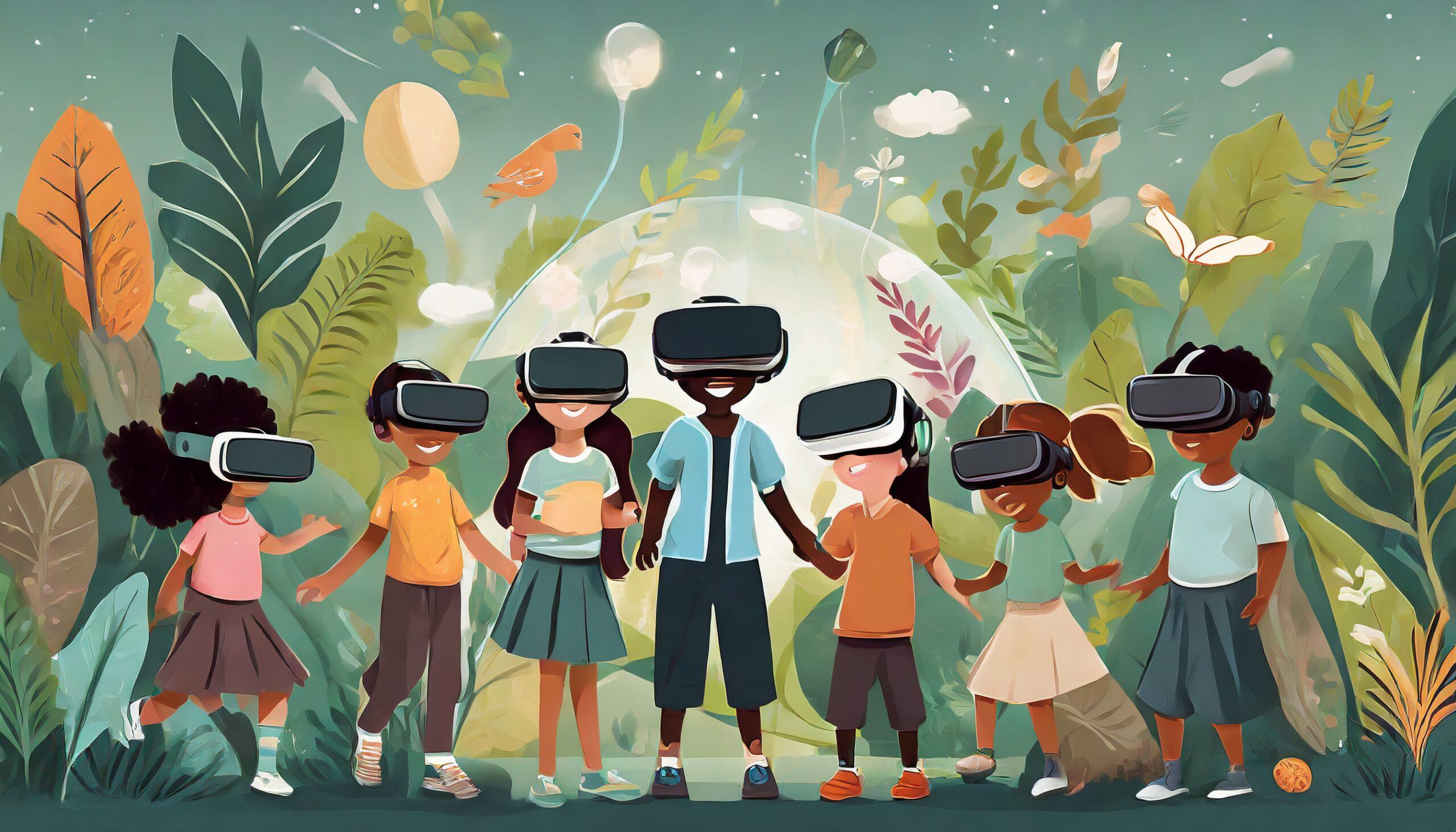
Discover the Power of Virtual field Trips: Expanding Classroom Horizons Without Leaving School
in an increasingly digital world, the traditional classroom is undergoing an exciting change. one of the most impactful developments for educators and students alike is the advent of virtual field trips. These innovative excursions allow teachers to expose students to new environments, cultures, and subjects—all without the logistical challenges of leaving school grounds. In this article, we’ll delve into the world of virtual field trips, exploring their power to expand classroom horizons, the benefits they offer, and practical strategies to implement them effectively.
What Are Virtual Field Trips?
Virtual field trips are digitally facilitated explorations that transport students to remote locations, historical landmarks, museums, or even other planets through live-streamed events, 360-degree videos, or interactive platforms. Unlike traditional outings,these experiences leverage technology—such as virtual reality (VR),augmented reality (AR),and multimedia web tours—to bring real-world learning to the classroom.
- Live Virtual Tours: Real-time guided broadcasts from experts at popular sites.
- 360-Degree VR Experiences: Immersive journeys using VR headsets or interactive videos.
- documentary and Media-based Trips: Pre-recorded multimedia explorations with educational content.
Top Benefits of Virtual Field Trips in Education
Integrating virtual field trips into your curriculum offers a host of advantages that enrich student learning. Here are some key benefits:
- Accessibility: Eliminate geographical,financial,and physical barriers,making learning opportunities accessible to all students.
- cost-Effectiveness: no transportation,admission,or accommodation fees—virtual trips are budget-friendly.
- Interactive and Engaging: Many platforms include quizzes, puzzles, and interactive elements, captivating students’ attention and curiosity.
- Diverse learning Experiences: Visit global destinations, explore museums, meet scientists, or walk through historical sites without limitations.
- Curriculum Enhancement: Reinforce classroom lessons with real-world applications, visualizing complex topics in science, history, literature, and beyond.
- Inclusive Learning: Accommodate students with mobility issues or other special needs by providing equitable educational experiences.
Research supports the integration of virtual field trips,linking them to increased student engagement and improved retention of facts across subjects.
Case Studies: Virtual Field Trips in Action
Case Study 1: Exploring the great barrier reef with Google Expeditions
Mrs. johnson’s sixth-grade class in Texas participated in a virtual field trip to the Great Barrier Reef using Google Expeditions. With affordable VR headsets, students submerged themselves in breathtaking underwater scenes, observing coral life and marine ecosystems. The students connected their science curriculum to real-world conservation efforts, and their post-trip reports showed a 25% increase in biology test scores compared to previous years.
Case Study 2: Smithsonian museum Virtual Tours in Urban Classrooms
In an urban Chicago school, limited funding restricted physical field trips. By utilizing Smithsonian’s online museum tours,teachers introduced students to world-class art and history. Engagement soared as students virtually strolled through exhibit halls and interacted with 3D artifacts, illustrating the transformative power of virtual field trips for underfunded districts.
Teacher Testimonial: Breaking Barriers
“Virtual field trips have entirely changed the way my students learn. They are more engaged, ask deeper questions, and remember content better. its like bringing the world into our classroom!” — Sarah Lee, Elementary Teacher
How to Organize a Prosperous Virtual Field Trip
Ready to get started? Here’s a practical approach to seamlessly integrating a virtual field trip into your lesson plan:
-
Identify Learning Objectives:
Align your virtual field trip with curriculum goals or specific standards (e.g., exploring planetary science, understanding historical events).
-
Choose the Right Platform:
Select reputable platforms that offer engaging and age-appropriate content (Google Expeditions, Discovery Education, National Geographic Explorer Classroom).
-
Prepare Students:
Give students context. Preview the location, discuss expectations, and share questions they might research during the trip.
-
Technological Setup:
Ensure devices are charged and internet connections reliable. Test all necessary software and hardware beforehand.
-
Interactive Engagement:
Encourage participation during the trip by asking questions, leading mini-discussions, and incorporating real-time activities or worksheets.
-
Post-Trip Activities:
Reinforce learning with discussions, reflective journals, creative projects, or quizzes based on the virtual field trip experience.
Top Resources for Virtual Field Trips
- Google Expeditions: Offers interactive tours from ancient ruins to the International Space station.
- Discovery Education: Live and on-demand virtual trips in science, geography, and social studies.
- National Geographic Explorer Classroom: Livestreams with scientists and explorers worldwide.
- Smithsonian Virtual Tours: Self-guided explorations of museum collections and interactive exhibits.
- Google Arts & Culture: Virtual visits to renowned galleries, monuments, and heritage sites.
Each platform listed above supports different grade levels and learning objectives. Diversifying the types of trips across the school year can keep student interest high.
Best Practices & Tips for Virtual Field Trips
- Integrate with Lessons: Pair virtual trips with related class activities and assignments for reinforcement.
- Encourage Exploration: Let students guide their own inquiry, select virtual excursions, or present findings to the class.
- Promote Digital Literacy: Use the possibility to teach responsible internet use and online research skills.
- Gather Feedback: After each trip, collect feedback from students to improve future virtual field trips.
- Stay Inclusive: Make sure all students, including those with disabilities, can access the resources and participate fully.
Conclusion: Expand Your Classroom Today
Virtual field trips are revolutionizing education by shattering boundaries, fostering global awareness, and immersing students in real-world experiences—all from the comfort of the classroom. By integrating virtual exploration into your teaching, you unleash limitless possibilities for engagement and discovery.
Whether you’re looking to supplement a textbook lesson,expose students to global cultures,or provide learning equity for all,virtual field trips are a powerful and versatile tool. It’s time to embrace the future of education and empower your students to learn beyond the classroom walls—no bus ride required!