
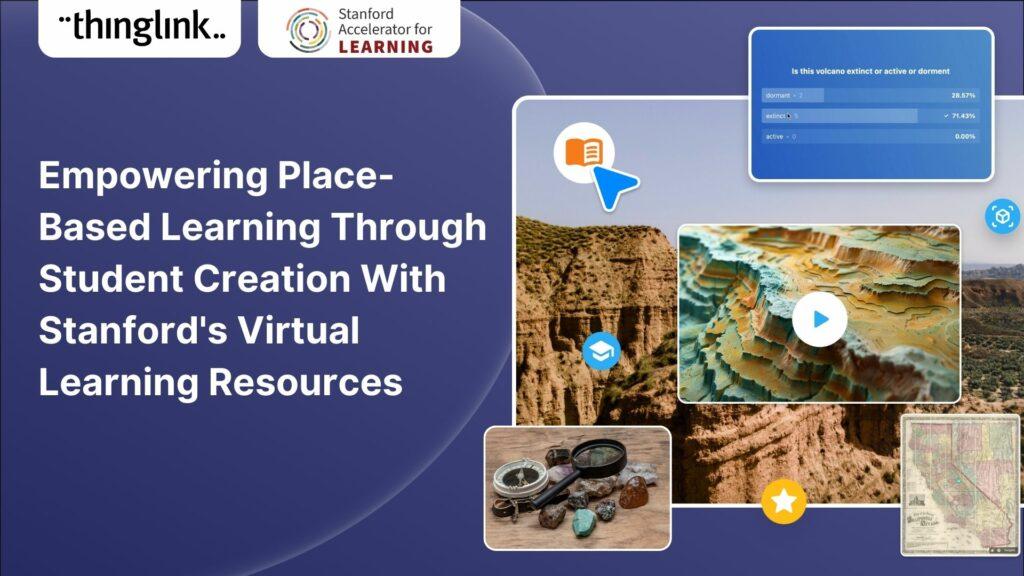
Discover Virtual Field Trips: Expand Classroom Horizons Without Leaving School
Imagine taking your students on a journey to the Great Wall of China, exploring the depths of the Amazon rainforest, or visiting the Louvre—all from the comfort of your classroom. Wiht virtual field trips, this is now possible! Technology is redefining traditional learning, making education more engaging, interactive, and accessible than ever before. In this comprehensive guide, we’ll explore what virtual field trips are, their manny educational benefits, how to implement them, inspiring real-world examples, and practical strategies for success. Get ready to expand your classroom’s horizons—no permission slips required!
What are Virtual Field Trips?
Virtual field trips are digitally driven educational experiences that enable students to explore museums, landmarks, past sites, scientific labs, and even global habitats in real-time or through pre-recorded content. These immersive journeys utilize multimedia, interactive platforms, and cutting-edge technology to bring far-off worlds directly to students—transforming traditional learning into dynamic, 21st-century education.
- interactive: Incorporate quizzes,games,and real-time Q&A with experts.
- Accessible: Remove geographical and financial barriers to field trip participation.
- Flexible: Suitable for all grade levels and adaptable to various subjects.
Whether through live streaming, 360° video tours, or virtual reality (VR) headsets, virtual field trips enrich the curriculum, making education exciting, memorable, and deeply impactful.
Key Benefits of Virtual Field Trips
Virtual field trips offer a wealth of advantages for both teachers and students. They’re quickly becoming an essential tool for modern educators aiming to provide experiential learning without leaving school grounds.
Top Benefits:
- Cost-Effective: Eliminate travel expenses and logistics.
- Inclusive: Ensure every student participates, regardless of ability or background.
- Safe and Secure: Avoid safety risks from transportation or crowded locations.
- global Reach: connect with experts and tour locations worldwide, from NASA to the Smithsonian.
- Curriculum Alignment: Easily tie in lessons with national standards and class objectives.
- increased Engagement: Harness multimedia and interactivity to capture students’ imaginations.
- Sustainability: reduce environmental impact by taking eco-friendly virtual excursions.
How to Implement Virtual Field Trips in Your Classroom
Integrating virtual field trips into your curriculum doesn’t need to be daunting.Whether using a basic laptop or advanced VR headsets, the options are vast and varied.
-
Identify Learning Goals:
Start by clarifying what you want students to learn. align the trip with upcoming lessons or broader curriculum objectives.
-
Choose a Virtual Field Trip Provider:
There are many platforms offering high-quality virtual excursions. Popular providers include:
- Google Expeditions
- Google Arts & Culture
- Smithsonian National Museum of Natural History Virtual Tours
- Discovery Education Virtual Field Trips
-
Test the Technology:
Ensure you have reliable internet, audio-visual equipment, and, if using, VR setups tested and ready before students participate.
-
Prepare Students:
Introduce the topic, set expectations, and encourage curiosity with pre-trip activities or guiding questions.
-
engage During the trip:
Encourage live note-taking,group discussions,and interactive participation. Many platforms offer built-in activities, polls, or chats.
-
Reflect and Assess:
After the experience, debrief as a class. Use reflection questions, quizzes, or creative projects to reinforce learning.
By following these steps, you’ll maximize both excitement and educational value.
Popular Types of Virtual Field Trips
The beauty of virtual field trips is the astounding variety of topics and locations teachers can tap into. Here are some of the most popular types:
- Museum Tours: Virtual walkthroughs of renowned institutions like the British Museum or the National Gallery.
- Science & Nature Expeditions: Explore marine biology with the Monterey Bay Aquarium or outer space with NASA Virtual Tours.
- Historic Landmarks: Visit Mount vernon, the Great Wall of China, ancient pyramids, and more, complete with expert guides.
- Cultural Immersion: Experience world festivals, traditions, and local community life from across the globe.
- Career Exploration: Meet professionals, explore workplaces, and inspire future careers in STEM, arts, or trades.
First-Hand Experience: Stories from Real Classrooms
Educators around the world have witnessed the transformative effects of virtual field trips. here are a few inspiring examples:
“When our class couldn’t travel, we took a live virtual tour of the Anne Frank House in Amsterdam. It brought history to life in a way textbooks simply couldn’t.The students were deeply moved and incredibly engaged.”
— Mrs. Garcia, 8th Grade History Teacher, New York
“The 3D tour of the International Space Station sparked so many questions! Our students even got to chat live with a NASA scientist and conduct science experiments based on what they saw.”
— Mr. Lee, Middle School Science Teacher, California
best practices and Practical Tips
To get the most from your virtual field trip experience,keep these best practices in mind:
- pre-Visit Planning: Assign background reading or short videos to spark curiosity.
- Set Clear Objectives: Let students know the purpose of the trip and what they should focus on.
- Interactive Activities: Use worksheets, live polls, and group tasks to maintain engagement.
- Post-Experience Reflection: Encourage students to journal, create presentations, or participate in class discussions about what they learned.
- Leverage Technology: Experiment with VR, AR, and 360° video for a more immersive journey.
- Accessibility: Choose platforms that offer captions, audio descriptions, and easy navigation for all learners.
How to Find Quality Virtual Field Trips
With an abundance of options online, selecting reputable, curriculum-aligned virtual field trips is crucial. look for:
- Educational Focus: Trips designed by museums,educational organizations,or in partnership with schools.
- Interactivity: Built-in activities, live Q&A, or guided tours enhance retention.
- Curricular Ties: identify trips that support your grade level and subject area standards.
- Reviews and Recommendations: Seek feedback from fellow educators or trusted education websites.
Many education marketplaces and online communities, such as Teachers Pay Teachers and Edutopia, offer curated lists and in-depth reviews.
Conclusion: The Future is Virtual—Enrich Your Classroom Today
Virtual field trips are not just a response to changing times—they’re a leap forward in education, making the world accessible to every classroom. These digital excursions break down physical and economic barriers, ignite curiosity, and provide uniquely memorable learning experiences. With a little planning and creativity, you can transport your students anywhere on the globe, expanding their horizons in ways that were once unimaginable.
Ready to get started? explore trusted virtual field trip providers, experiment with different formats, and watch your students thrive as they embark on new adventures. The future of education is here—don’t miss the ride!