
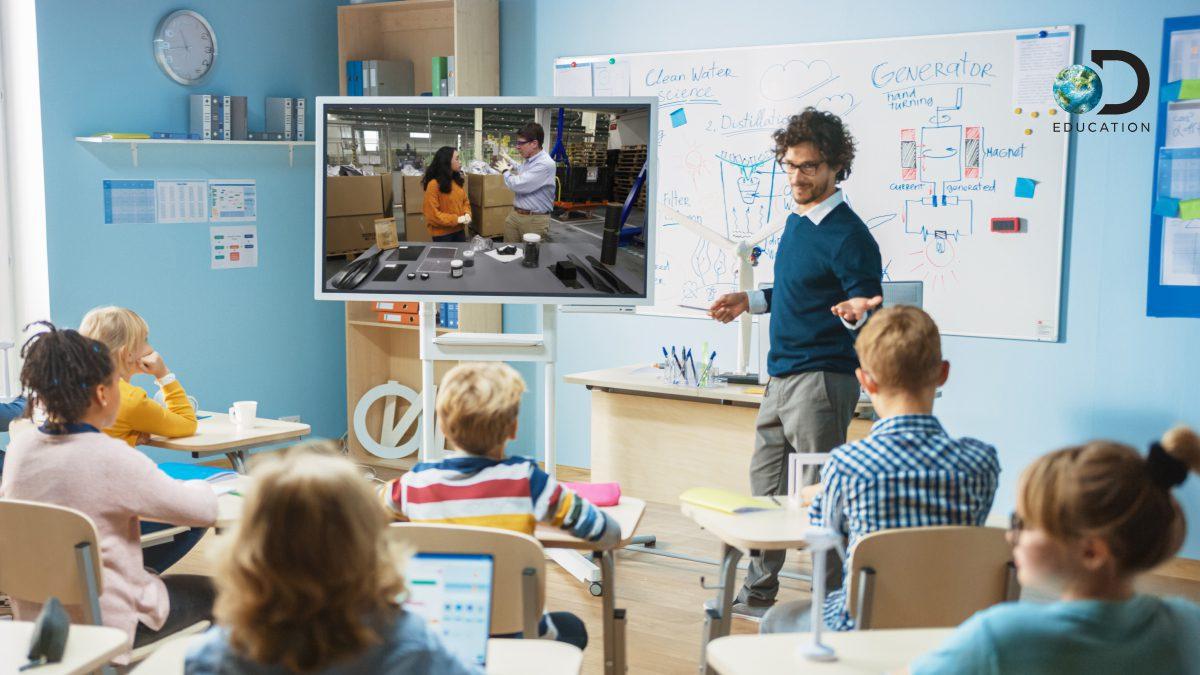
Discover Virtual Field Trips: How to Expand Student Horizons Without Leaving the Classroom
In an interconnected world, education is no longer limited by the four walls of a classroom.Virtual field trips are revolutionizing learning by offering students the chance to experience museums, natural wonders, and historic sites from around the globe—no bus fare required. If you’re wondering how to make learning more immersive or looking for new ways to inspire your students, discover how virtual field trips can broaden horizons and enliven your curriculum—without ever leaving your classroom.
What Are Virtual Field Trips?
virtual field trips are interactive, online educational experiences that allow students to explore real-world locations and topics thru the power of technology. By leveraging high-quality videos, live streaming, and virtual reality (VR) tools, teachers can take their classrooms to far-off places—from the Pyramids of Egypt to the depths of the ocean and beyond. Whether it’s a live online tour or a pre-recorded, self-paced adventure, these digital experiences bring places and concepts to vivid life for learners of all ages.
Benefits of Virtual Field Trips for Students
- Accessibility: Virtual field trips break down barriers, making world-class experiences accessible to all students, irrespective of location or budget constraints.
- Enhanced Engagement: Interactive tours, quizzes, and multimedia elements keep students curious and involved throughout the session.
- Aligned With Curriculum: Many providers tailor content to specific educational standards, helping teachers reinforce lesson objectives.
- Cultural Awareness: Exploring new places broadens students’ understanding of diverse cultures, histories, and viewpoints.
- Safe and Convenient: No permission slips, travel risks, or time-consuming logistics—virtual trips happen within the safety of your classroom.
- personalized Learning pace: Students can revisit data, pause, or fast-forward, ensuring content is absorbed at an individualized speed.
Popular Types of Virtual Field Trips
There’s an expansive array of virtual field trips for students,spanning virtually every subject and grade level. here are some popular options:
- Virtual Museum Tours: Explore interactive exhibits at the Google Arts & Culture platform,the Smithsonian,or the British Museum.
- Historic Sites: Walk through the ruins of Pompeii, visit ancient temples, or virtually stand on Ellis island using panoramic video and VR technology.
- Science Centers and Zoos: Observe live animal cams, behind-the-scenes lab tours, and discussions with scientists.
- Space Exploration: Take a virtual journey with NASA’s STEM resources or walk on Mars using interactive simulations.
- Nature & Ecology: Wander through rainforests, coral reefs, and national parks with 360-degree immersive experiences.
- Art and Music expeditions: Experience live workshops or guided tours through renowned galleries and concert halls.
How Virtual Field Trips Expand Student Horizons
Virtual field trips open up endless possibilities for student growth and exploration. By virtually stepping outside their typical habitat, students:
- Gain exposure to global issues, history, science, and the arts beyond textbook learning.
- Develop important twenty-first-century skills—including digital literacy, critical thinking, and global awareness.
- Connect with subject-matter experts, enabling Q&A sessions and interactive discussions that boost learning retention.
- Build empathy and deeper understanding of people, cultures, and ecosystems they might never encounter otherwise.
Case Study: Virtual Field Trips in Action
At Willow Grove Elementary School, sixth-grade teacher Ms. Andrews integrated a virtual field trip to the Smithsonian National Museum of Natural History as part of her Earth Science unit. Students explored fossil exhibits, took part in a live Q&A with a paleontologist, and used VR headsets to “walk” through the dinosaur halls.
Results: Student engagement soared, as measured by participation and post-trip assessment scores. Several students reported the experience as “their favorite lesson all year,” citing the excitement of interacting with real scientists and seeing ancient fossils up close—virtually.
Top Virtual Field Trip Resources for teachers
Integrating online field trips into your lessons is easier than ever. Here are some reliable, high-quality platforms to help you get started:
- Google Expeditions / Arts & Culture: Offers hundreds of free, immersive VR and 360° tours.
- NGAkids Art Zone: Engages students with interactive art activities and virtual museum exploration.
- NASA’s Virtual Tours: Provides access to space centers,planetariums,and live spacewalks.
- Finding Education: Features curriculum-linked virtual field trips with interactive activities and educator guides.
- Zoological Society Sites: Many zoos, like San Diego Zoo and Monterey Bay Aquarium, offer live animal cam feeds and behind-the-scenes content.
- Virtual yosemite: Explore breathtaking natural landscapes in high-definition, self-paced tours.
Practical Tips for Making Virtual Field Trips Effective
Maximize the educational impact of your virtual field trip experience with these practical strategies:
- Pre-Trip Preparation: Introduce key concepts and vocabulary. Share background information about the location or topic to build excitement and context.
- Set Clear Learning Goals: Define objectives aligned with your curriculum—what should students no or be able to do after the experience?
- Use Guided Worksheets: Provide students with scavenger hunts, reflection prompts, or question sheets to keep them focused and engaged during the trip.
- Encourage Interaction: Choose platforms offering live Q&A or chat features so students can ask real-time questions.
- Debrief and Reflect: After the trip, lead class discussions, assign reflection essays, or facilitate group projects based on their experiences.
- Integrate Tech Tools: Incorporate polls, collaborative Google Docs, and digital storytelling apps to extend learning and creativity.
First-Hand Student Experience
“I felt like I was actually in the Amazon Rainforest, listening to the animals and learning about the plants. We even got to ask the scientist our own questions!”
— Emily, 4th Grade Student
Stories like Emily’s illustrate just how transformative virtual field trips for classrooms can be. For many students, it’s a chance to dream, ask questions, and build real-world knowledge in ways not always possible in traditional school settings.
Overcoming Challenges in Virtual Field Trips
While virtual field trips are incredibly rewarding, educators may face some obstacles, such as access to sufficient devices, reliable internet, or finding appropriately leveled content. Here’s how you can address these challenges:
- Seek Grants and Community Support: Many organizations offer funding or loaner technology for schools implementing digital programs.
- Test technology Ahead of Time: conduct trial runs of the trip platform to ensure smooth access and minimal technical glitches.
- Select Age-Appropriate Content: Review sites in advance to ensure relevancy and appropriateness for your students’ grade level.
- Blend Synchronous and Asynchronous Options: Combine live sessions with recorded tours to accommodate different schedules and learning needs.
Conclusion: Bringing the World Into Your Classroom
Virtual field trips are more than a digital trend—they are a powerful pedagogical tool for expanding student horizons, fostering global citizenship, and igniting a passion for lifelong learning. By harnessing technology and creativity, educators can immerse students in experiences that once seemed out of reach. Start planning your next virtual field trip today, and watch your classroom come alive with wonder, discovery, and connection to a world of learning opportunities.
Ready to Take Your Students on a Virtual Adventure?
Explore the best virtual field trip resources and make your classroom a launchpad for global exploration—no passport or permission slip required!