
Discover Virtual Field Trips: How to Expand Students’ Horizons Without Leaving the Classroom
Virtual field trips are transforming education, opening doors to new worlds, cultures, and experiences—no permission slips or long bus rides required. With the help of technology, teachers can transport students to the Louvre, trek thru rainforests, witness scientific experiments, and even travel to outer space, all from the comfort of their classroom. in this article, we’ll explore how to incorporate virtual field trips into your lessons, the benefits to students, the best platforms, real-life success stories, and practical tips to ensure your digital journeys are both seamless and impactful.
What Are Virtual Field Trips?
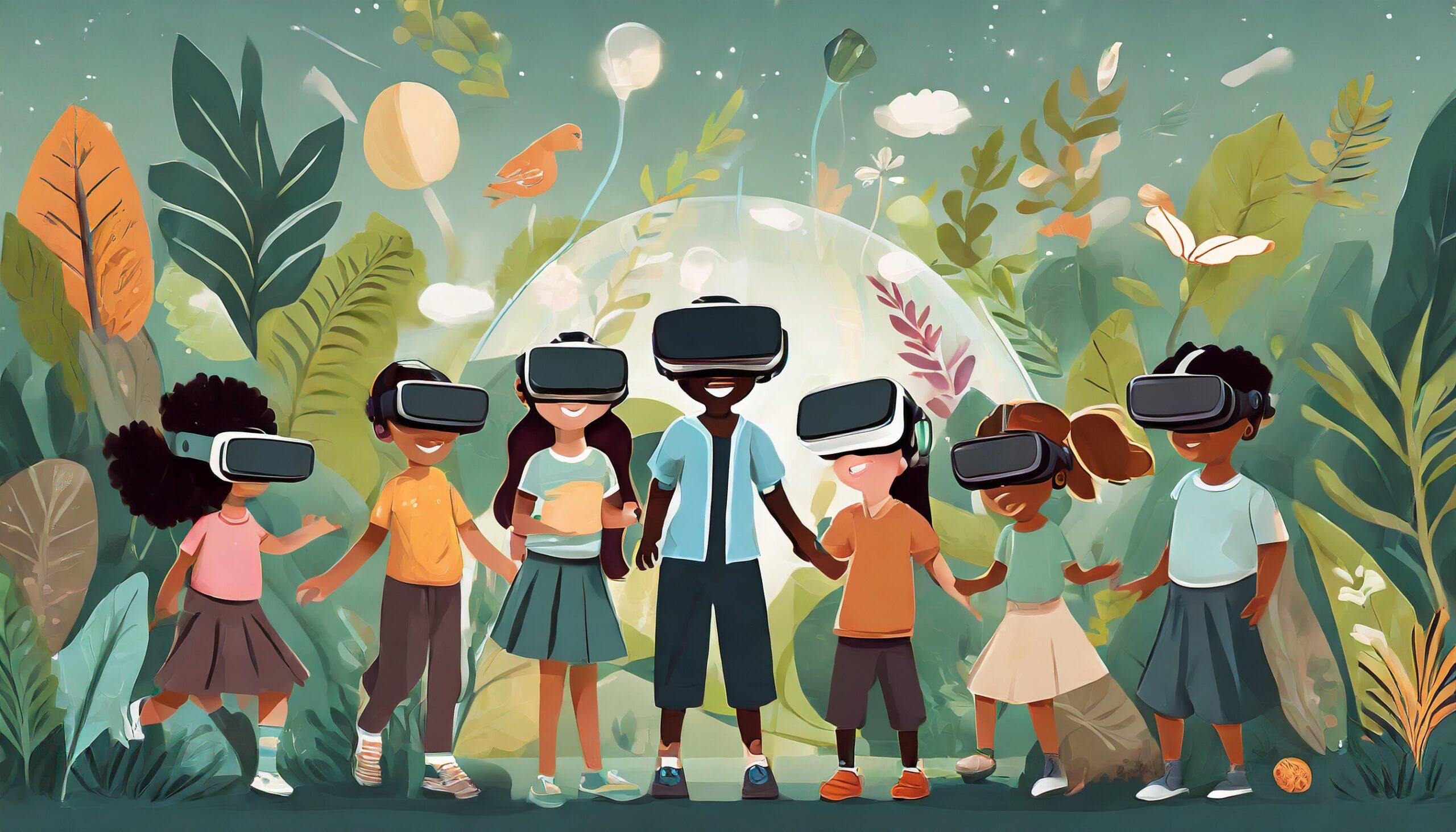
Virtual field trips combine multimedia resources—like video tours, interactive maps, VR experiences, and live web conferences—to take students on guided explorations of places and concepts beyond the classroom walls. These digital journeys can be:
- Pre-recorded video tours of historical landmarks and museums
- Live interactive sessions with experts scientists, zookeepers, or artists
- Immersive 360-degree virtual reality experiences
- Virtual simulations of complex scientific processes or far-off ecosystems
through these experiences, students can engage with authentic content, ask questions in real-time, and connect learning to the world outside the classroom.
Key Benefits of Virtual Field Trips
Virtual field trips are more then just a pandemic workaround—they’re a powerful educational tool that offers unique advantages:
- Accessibility: Bring global destinations to every student, irrespective of location or school budget.
- Cost-Effective: Eliminate travel, accommodation, and admission expenses.
- Time Efficient: Fit relevant, engaging experiences into a single class period.
- Inclusivity: Open doors for students with mobility challenges, health concerns, or access limitations.
- Customization: Tailor experiences to support curriculum goals and student interests.
- Interactive Learning: Inspire curiosity with multimedia, gamification, and real-time Q&A with professionals.
- Digital Literacy: Build essential 21st-century tech skills through navigation and interactive participation.
How Virtual field Trips enhance Student Engagement
- Sparks Curiosity: Immersive visuals and behind-the-scenes access generate excitement for learning.
- Personalizes Education: Students can explore at their own pace and delve into topics that intrigue them the most.
- Encourages Collaboration: Group activities, discussions, and problem-solving promote teamwork and interaction.
Popular Virtual Field Trip Platforms
Numerous online platforms make it easy for educators to bring the world into the classroom. Here are some of the top options:
- Google Arts & Culture: Offers virtual tours of hundreds of museums, art galleries, and cultural sites worldwide.
- Discovery Education: Provides live and on-demand virtual field trips linked to curricular standards with interactive activities.
- Smithsonian National Museum of Natural history: Features immersive 360° tours of museum halls and exhibits.
- Virtual Field Trips (virtualfieldtrips.org): Subscription service with video-based educational journeys across a range of subjects.
- Skype a Scientist: Allows students to interact live with working scientists from around the globe.
- National Geographic Kids: Hosts live events and digital journeys exploring wildlife, science, and geography.
- Zoological and Aquarium Broadcasts: Zoos and aquariums such as San Diego Zoo, Georgia Aquarium, and Monterey Bay Aquarium offer live cams, expert talks, and virtual safaris.
- Mystery Science: Short, hands-on science lessons and virtual explorations tied to K-5 curriculum.
Don’t forget to look for local museums, historic sites, and theaters—many have launched their own virtual field trip experiences as 2020.
Real-Life Case Studies: Virtual Field Trips in Action
Case Study 1: Exploring Ancient Egypt in a 4th Grade Classroom
When Mrs. Carter’s class in Des Moines,Iowa,began their unit on ancient civilizations,she wanted to make history more vivid.She booked a virtual tour of the British Museum’s Egyptian collection, where students could explore the Rosetta Stone and King Tutankhamun’s treasures. Afterwards, a live Q&A with a museum curator let kids ask questions about mummification and pyramid construction, bringing textbook lessons to life.
Case Study 2: Science in Action — Virtual Lab at the Exploratorium
During distance learning, Mr. Patel’s high school biology class took part in an interactive virtual lab tour at San Francisco’s Exploratorium Museum. Students observed experiments on photosynthesis and chemical reactions, then split into virtual breakout rooms to predict outcomes and discuss analysis, cementing scientific concepts with hands-on digital activities.
Case Study 3: Literature on Location via Virtual Author Events
In Ontario,a 6th grade English teacher organized a virtual author visit for her students. The author read from their latest book, led a writing workshop, and answered questions—all over video conference. Students felt inspired by connecting with a real writer, and the school saved both travel time and costs.
how to Organize a Triumphant Virtual Field Trip
Ready to make your first virtual field trip a success? Here are practical steps and tips:
- Define Clear Learning Objectives: What concepts or skills should the trip support?
- Research and Select a Platform: Choose reputable providers or educational partners aligned with your goals.
- Prepare Students: Introduce key vocabulary and background info before the tour. Get students excited by previewing what they’ll see or do.
- Test Technology in advance: Check devices, browsers, and internet speed. Run a practice connection to ensure ther are no hiccups.
- Develop Engaging Activities: Create worksheets, scavenger hunts, or discussion questions to guide attention.
- Encourage Interaction: Motivate students to ask questions,participate in polls,or share reflections during and after the trip.
- Debrief and Reflect: Finish with a post-trip discussion or assign creative projects (artwork, blog posts, presentations) to cement learning.
- seek feedback: Ask for student input on what worked and what could improve for future virtual adventures.
Teacher Tips for Smooth Virtual field Trips
- Check accessibility features (captions, language options, compatibility with assistive tech)
- Set classroom behaviour expectations for online interaction
- Record sessions (with permission) for review or for absent students
- Assign roles (note-taker, question-asker, tech helper) to encourage participation
- Use complementary assignments (art, science, writing) for cross-curricular value
Integrating Virtual Field Trips Across the Curriculum
The versatility of virtual field trips means you can enrich nearly any subject area:
- History/Social Studies: Visit landmarks, participate in live reenactments, or view digital archives.
- Science: Dive into marine biology centers, space explorations, or biology labs.
- Art & Literature: Explore world-famous museums or host a virtual author Q&A session.
- Geography: Journey to far-flung ecosystems, volcanoes, or glaciers via interactive maps and satellite imagery.
- Language Immersion: Connect with native speakers, tour communities abroad, or access bilingual events.
First-Hand Experience: A Teacher’s perspective
“Our virtual field trips have sparked curiosity in even my most reluctant learners. Watching them ask questions during a live whale migration event made me realize the power of this tool. It’s not a replacement for real-world travel, but it’s an amazing supplement—especially for schools with limited resources.”
— Ms.Linda Brown, 5th Grade Teacher, New Mexico
Conclusion: Expand Learning horizons without the Limits
Virtual field trips are revolutionizing the way teachers ignite curiosity and deepen student engagement. By breaking down barriers of time, cost, and accessibility, these experiences bring diverse global perspectives directly to every classroom—opening minds and inspiring a lifelong love of learning. Whether you’re teaching science, literature, art, or history, the opportunities to make lessons relevant, exciting, and interactive are virtually limitless.
Are you ready to expand your students’ horizons without ever leaving the classroom? start planning your next virtual adventure today and watch as a world of possibilities unfolds for your learners.