
E-Learning Developer: Key Skills, Roles, and Career Path Guide
The digital revolution in education has opened up new avenues for passionate individuals interested in technology and learning. Universities, colleges, and schools are increasingly seeking talented E-Learning developers to design engaging online courses, create interactive learning materials, and support educators in leveraging technology.If you’re interested in a fulfilling career at the crossroads of education and technology, this comprehensive guide will walk you through the essential skills, roles, and career pathways for E-Learning Developers in the academic sector.
What is an E-Learning Developer?
An E-Learning Developer—sometimes called an Instructional Designer, Learning Technologist, or Educational technology Specialist—specializes in creating, implementing, and managing digital learning experiences. These professionals use learning management systems (LMS), multimedia tools, and the latest educational technologies to develop and maintain online courses in accordance wiht institutional goals and pedagogical best practices.
Key Roles and Responsibilities
The role of an E-Learning Developer in a university, college, or school can vary depending on the institution’s size and technological infrastructure. However, most E-Learning Developers can expect to perform a combination of the following responsibilities:
- Designing and Developing Learning Content: Create digital course materials, including slides, videos, quizzes, simulations, and interactive modules.
- Implementing Learning Technologies: Set up, maintain, and optimize LMS platforms such as Moodle, Blackboard, or Canvas.
- Collaboration with Faculty: Work closely with educators to identify curriculum needs, integrate technology, and ensure content aligns with learning outcomes.
- Quality Assurance and Testing: Test courses for usability, accessibility, and technical functionality across devices and platforms.
- Technical Support and Troubleshooting: Provide support to faculty and students, resolving issues related to digital learning tools.
- Continuous Enhancement: Analyze learner feedback and assessment data to refine and improve course materials.
- Professional Development: Keep up-to-date with emerging trends and tools in educational technology.
Essential Skills for E-Learning Developers
To thrive in education technology roles, aspiring E-Learning Developers should cultivate a blend of technical, pedagogical, and interpersonal skills. below are the key skills needed to excel:
Technical Skills
- Proficiency in LMS platforms: Experience with systems like Canvas,Blackboard,or Moodle.
- Multimedia development: Skills in authoring tools such as Articulate Storyline, Adobe Captivate, camtasia, or H5P.
- Basic web development: Familiarity with HTML, CSS, and occasionally JavaScript for interactive content.
- Understanding of SCORM and xAPI standards: To ensure interoperability and data tracking in e-learning modules.
- Graphic and media editing: Competence in Adobe Creative Suite or similar tools for image, audio, and video editing.
Instructional Design Skills
- Knowledge of learning theories: Understanding behaviorism, constructivism, and cognitive theories to inform content design.
- Assessment design: Creating formative and summative assessments that accurately measure learning outcomes.
- Accessibility and inclusivity: Designing content that meets accessibility standards like WCAG.
Soft Skills
- Interaction: Explaining complex ideas clearly to educators and non-technical audiences.
- Collaboration: Working as part of interdisciplinary teams that may include faculty, IT staff, and instructional designers.
- Problem-solving: Troubleshooting technology issues and finding creative solutions.
- Project management: Managing deadlines, resources, and stakeholder expectations effectively.
Typical Career Path for E-learning Developers in Education
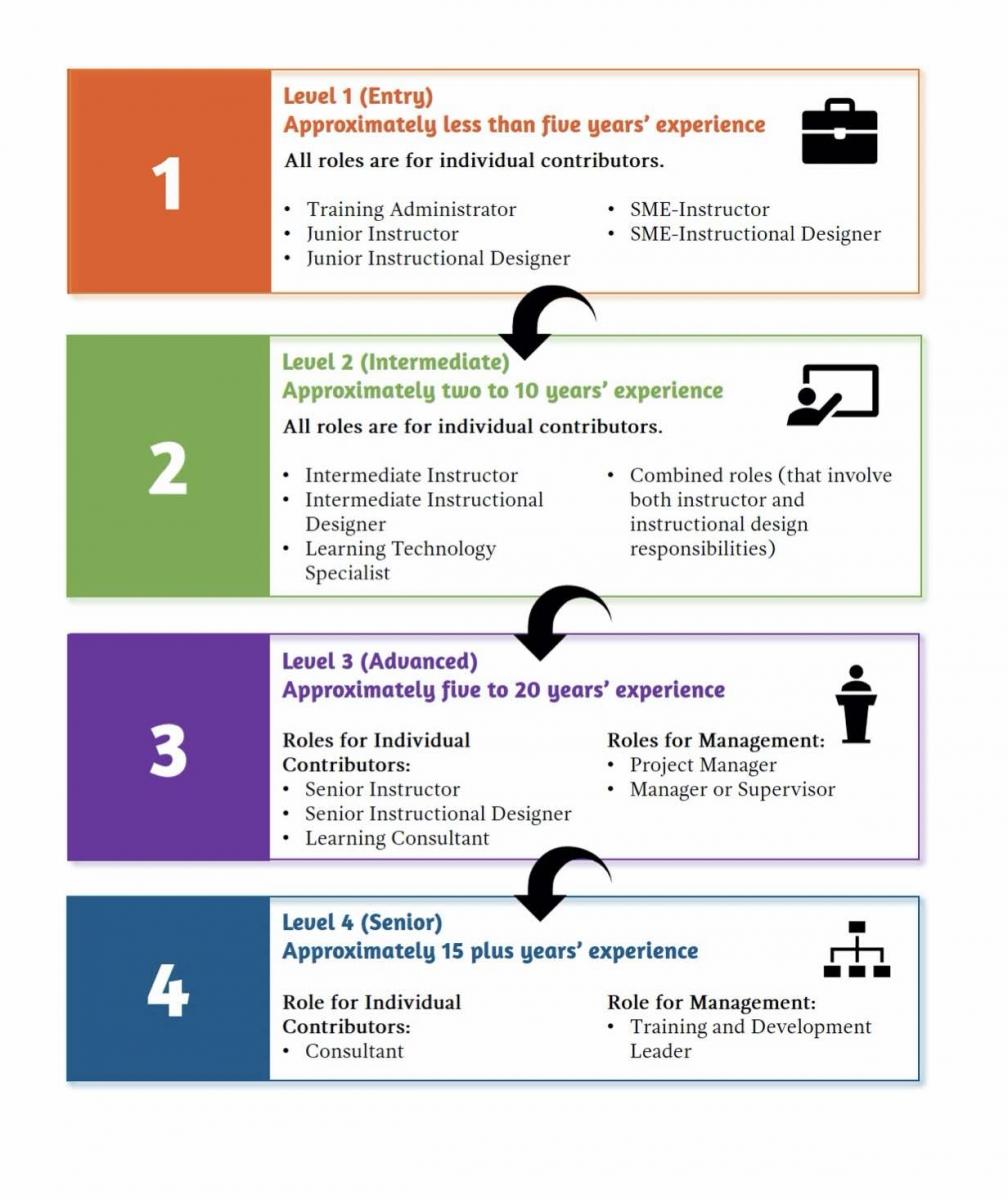
E-Learning Developers enjoy a dynamic and evolving career path within academic environments. Here’s how a typical progression might look:
- Entry-level E-Learning Developer: Supports the creation and editing of basic course content, assists in LMS administration, and troubleshoots user issues.
- Mid-Level E-Learning Specialist: Takes on responsibility for designing interactive modules, collaborating with faculty on course development projects, and participating in quality assurance processes.
- Senior E-Learning Developer / Lead Designer: Leads teams of developers, manages large program rollouts, mentors junior staff, and drives the adoption of cutting-edge educational technology solutions.
- Managerial Roles: Transition into positions such as Director of educational Technology or Instructional Technology Manager, overseeing entire e-learning initiatives at the institutional level.
Many E-Learning Developers also branch out into related roles such as Instructional Designer, Curriculum Specialist, or Educational Technologist.
Benefits of a Career as an E-Learning Developer in Academia
Working as an E-Learning Developer at universities, colleges, or schools comes with numerous rewards:
- Impactful Work: Play a key role in improving access to quality education for diverse learners.
- Job Security: High demand for online learning continues in K-12 and higher education, ensuring strong job prospects.
- Work-Life Balance: Educational institutions often offer flexible work arrangements and generous vacation policies.
- Continuous Learning: Opportunities to stay current with the latest in education technology and instructional practices.
- Collaborative Environments: Engage with faculty, technologists, and administrators on innovative projects.
How to Get Started: Education and Qualifications
Most E-Learning Developer roles require the following qualifications:
- Bachelor’s Degree: In educational technology, instructional design, computer science, education, or a related field.
- Additional Certifications: Optional certifications in instructional design (e.g.,AECT,ATD) or specific technologies (e.g., Articulate Storyline, Adobe Captivate) can give you a competitive advantage.
- Portfolio Development: Create a portfolio showcasing yoru ability to design e-learning modules, multimedia content, and innovative learning solutions.
- Relevant Experience: Internships, volunteer work, or freelance projects in educational technology departments can demonstrate your commitment and skillset.
Practical Tips to Succeed as an E-Learning Developer
Whether you’re just starting out or aiming to advance your career, consider these practical tips:
- Stay Current: Engage regularly with education technology news, attend workshops, and complete online courses in new tools.
- Network: Join online communities and professional associations focused on educational technology to exchange ideas and discover new opportunities.
- Solicit Feedback: Actively request feedback from faculty, students, and colleagues to improve your e-learning designs.
- Focus on Accessibility: Keep inclusivity top-of-mind to ensure all learners can access your content.
- Document Success: Track the impact of your e-learning interventions through data and feedback to strengthen your CV or portfolio.
Future Trends and Opportunities
The field of educational technology is rapidly evolving. As an E-Learning Developer, staying ahead of these trends can lead to exciting opportunities:
- AI and Personalization: Increasing use of artificial intelligence to tailor learning experiences to individual needs.
- Microlearning & Mobile Learning: Designing short, mobile-amiable modules for just-in-time learning.
- Gamification: Integrating game elements to enhance learner motivation and engagement.
- Data Analytics: Leveraging learning analytics to monitor performance and personalize content.
- Virtual and Augmented Reality: Creating immersive educational experiences for deep learning.
Conclusion
A career as an E-Learning Developer in universities, colleges, or schools is both rewarding and future-proof.By mastering key skills in instructional design, technology, and collaboration, you can help shape the future of education and make a real difference in the lives of learners. If you’re passionate about technology and education, now is the ideal time to pursue a role in e-learning development—opening the door to innovative projects, lifelong learning, and meaningful impact.