
EdTech Breakthroughs: Predicting the Next big Thing in Education Technology
Education technology (“EdTech”) is revolutionizing how students learn, teachers teach, and institutions create new opportunities for lifelong learning. As digital tools become increasingly seamless and sophisticated,the question everyone wants answered is: What’s the next big thing in EdTech? In this comprehensive guide,we’ll dive deep into emerging EdTech breakthroughs,forecast transformative innovations on the horizon,and share actionable insights for educators,parents,and industry professionals keen on staying ahead of the curve.
Table of Contents
- Introduction
- Current EdTech Trends Shaping Education
- Forecast: The Next Big Thing in EdTech
- Benefits & Practical Tips for Embracing EdTech Innovation
- Case Studies: Real-World EdTech Breakthroughs
- Conclusion: adapting to the Future of Learning
Introduction: EdTech’s Continuous Evolution
Just a decade ago, classroom technology largely meant digital projectors and basic e-learning portals. Fast forward to today, and modern EdTech solutions enable immersive, AI-powered learning experiences, adaptive assessments, and virtual global classrooms. The rise of distance learning, mobile education apps, and game-based learning is rewriting the rules. But what innovations will truly shape tomorrow’s learning landscape?
Current EdTech Trends shaping education
Understanding today’s EdTech trends is essential before predicting the next game-changers. Here are the most impactful developments shaping education technology in 2024:
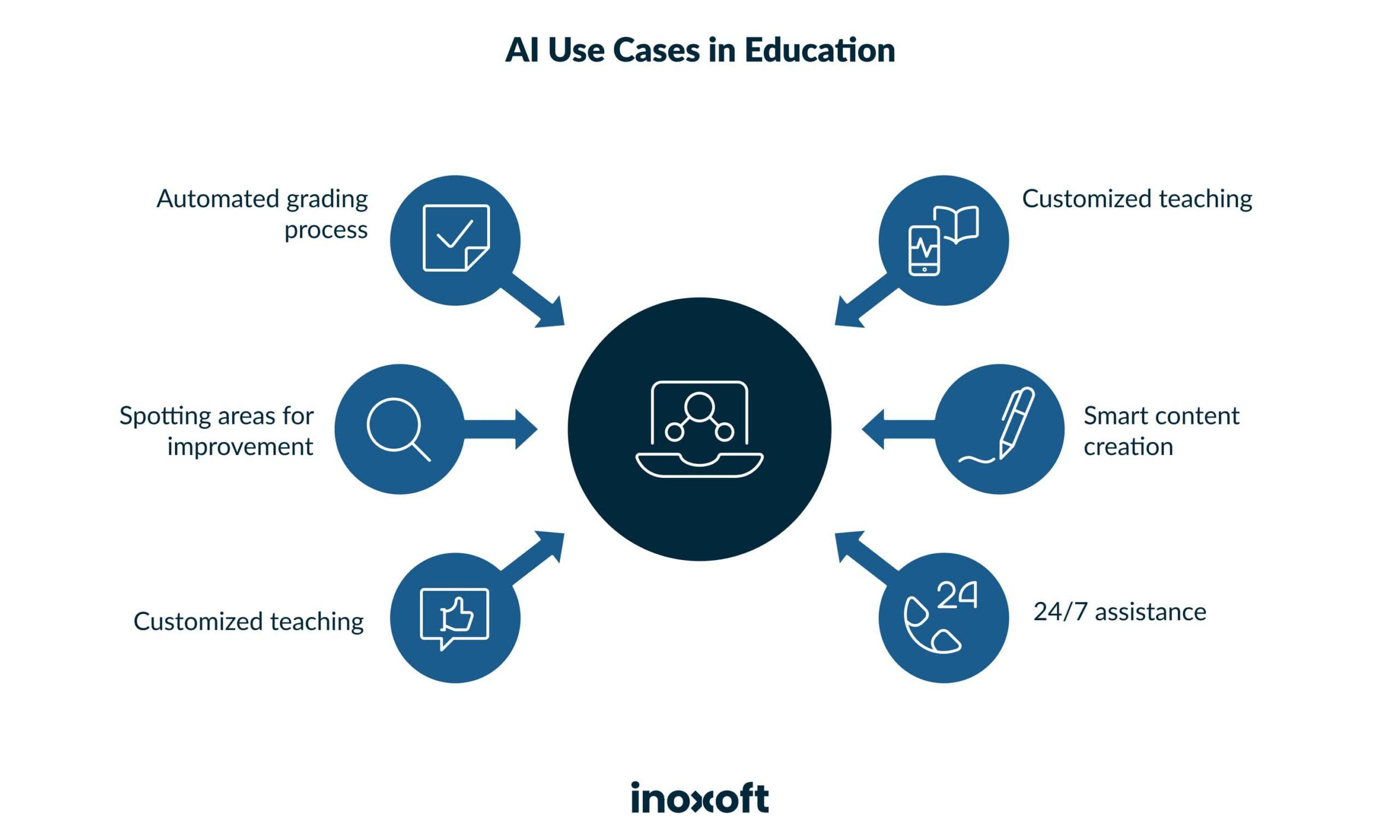
- AI-Powered Learning Platforms: Artificial intelligence personalizes content, automates grading, and offers adaptive feedback.
- Immersive Technologies: Augmented reality (AR) and virtual reality (VR) create interactive simulations, virtual labs, and enhanced engagement.
- Learning Analytics & Data-Driven Instruction: Real-time tracking and insights improve student outcomes and inform teaching strategies.
- Remote & Hybrid Learning: Seamless video conferencing, cloud-based materials, and collaboration tools foster inclusive education anytime, anywhere.
- Gamification: Game mechanics motivate progress, competition, and engagement, making learning fun and effective.
- Microlearning & Modular Courses: Bite-sized content supports flexible, just-in-time learning for busy students and professionals.
Industry Insights
According to a HolonIQ report,global EdTech investment is projected to surpass $400 billion by 2025,with AI in education,immersive experiences,and personalized learning at the forefront.
Forecast: The Next Big Thing in EdTech
So,what’s next for education technology? Experts and futurists suggest these breakthroughs will dominate the coming years:
1. AI Tutors and Intelligent Mentorship Systems
AI-driven tools are moving beyond simple chatbots. Soon, intelligent mentorship systems will:
- Offer personalized, context-aware guidance tailored to each learner’s journey
- Track individual progress using data analytics
- Facilitate adaptive mastery learning—pinpointing strengths, weaknesses, and optimal learning paths
2. Immersive Learning Environments
The integration of AR and VR is ramping up. The next big leap? Connected, social, multi-user learning spaces where students from around the globe collaborate in lifelike, virtual settings.
- Virtual field trips: Explore ancient civilizations, deep space, or biological processes firsthand
- Interactive labs: Practice science experiments in risk-free, simulated environments
- Roleplaying & empathy training: Use avatars to develop soft skills and emotional intelligence
3.Blockchain in Education
Blockchain technology could revolutionize credentials, making transcripts tamper-proof and instantly shareable. Potential impacts include:
- Decentralized digital diplomas and skill badges
- Secure records storage and clear course accreditation
- Streamlining credit transfers and student mobility
4. Voice & Conversational Interfaces
Natural language processing is transforming how students interact with technology via voice commands, digital assistants, and language learning chatbots. Expect increased accessibility and hands-free, intuitive experiences in the classroom.
5. Lifelong, Skills-Based Learning Ecosystems
The rise of microcredentials and industry-specific learning platforms means education won’t end at graduation. EdTech will facilitate:
- Continuous upskilling and reskilling
- On-demand learning tied to real-world competencies
- Global talent matching based on verified skills
benefits & Practical Tips for Embracing EdTech Innovation
Harnessing the latest EdTech breakthroughs offers a range of transformative benefits for students, teachers, and institutions. Here’s why and how to get started:
Major Benefits
- Personalized Learning: Adaptive technology ensures students learn at their own pace and according to their unique needs.
- Greater Accessibility: Remote and mobile platforms break down geographical and physical barriers, promoting equity in education.
- Improved Engagement: Interactive, gamified experiences spark curiosity and foster deep learning.
- Efficient Assessment: AI-powered grading and instant feedback streamline evaluation and support targeted skill growth.
- Cost-Effectiveness: Digital content and cloud solutions reduce costs related to textbooks and infrastructure.
Practical Tips for Educators & Institutions
- Stay Informed: Subscribe to EdTech news blogs, attend webinars, and follow industry thought leaders.
- Pilot New tools: Start small with pilot programs to evaluate impact and user satisfaction before scaling up adoption.
- Prioritize Accessibility: Check tools for compatibility with assistive technologies and diverse learner needs.
- Invest in Teacher Training: Professional development is key to successful integration of new tech.
- Solicit Feedback: Involve students and parents in tool selection and review processes.
Case Studies: Real-World EdTech Breakthroughs
Let’s look at how pioneering EdTech solutions are already making measurable impacts across the globe.
Case Study 1: AI-Powered Learning in singapore
Singapore’s Ministry of Education partnered with AI companies to create personalized learning platforms. Results:
- Improved student test scores and engagement
- Teachers saved hours on grading and administrative tasks
- Data-driven insights tailored interventions for struggling students
Case Study 2: VR Classrooms in the united States
Several American school districts launched pilot programs using Virtual Reality headsets for science and history lessons:
- Student retention improved by 30% compared to traditional methods
- Students expressed greater enthusiasm for learning complex topics
- Collaborative, social VR experiences fostered teamwork and empathy
Case study 3: Blockchain Credentials at a European University
The University of Nicosia uses blockchain for issuing diplomas and course certificates:
- Alumni easily share authenticated credentials with employers worldwide
- Reduced fraud and costs associated with manual verification
- Streamlined pathways for international students transferring credits
First-Hand Experience: Teacher Outlook
“After implementing AI-driven adaptive learning, my classroom became truly student-centered. Every learner has a unique path,and engagement is the highest I’ve seen in years. the system’s feedback helps me target support where it’s needed most.”
– maria Gomez, middle School Science Teacher
conclusion: Adapting to the Future of Learning
The pace of EdTech innovation shows no signs of slowing down. By anticipating the next big thing in education technology—whether it’s AI mentors, immersive virtual worlds, or decentralized credentials—educators and learners alike can harness these breakthroughs to create more efficient, engaging, and inclusive learning environments.Staying informed, embracing change, and putting learning first will ensure schools and institutions thrive in the digital age.
Ready to future-proof your education strategy? Now’s the time to explore, pilot, and integrate the EdTech tools that will shape tomorrow’s classrooms. Subscribe, share, and join the conversation—because the next EdTech breakthrough